
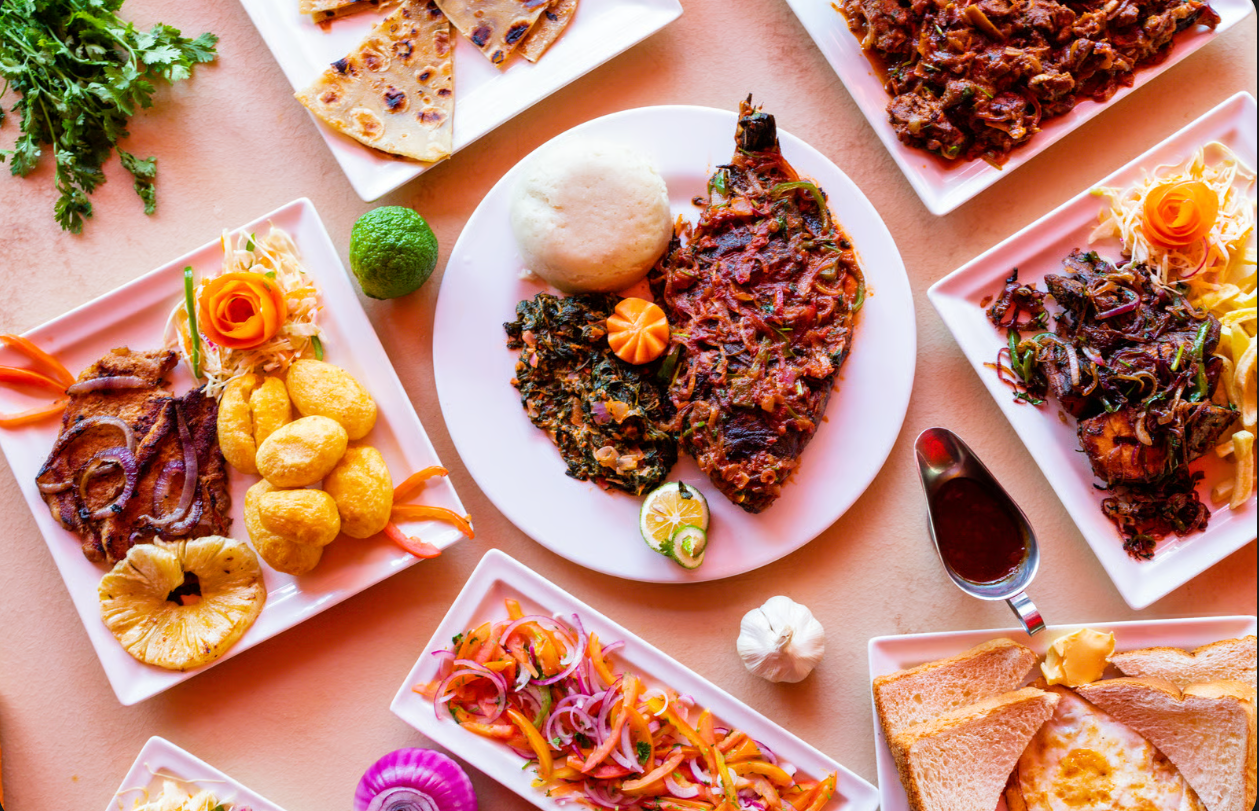
Nairobi is not just Kenya’s capital city – it is a living, breathing food map where cultures collide, traditions blend, and flavors evolve in real time. If you think you’ve “eaten in Nairobi,” think again. The city doesn’t serve food in a single style or identity. Instead, it shifts depending on where you are, who you’re with, and even what time of day it is.
From smoky street grills in the Central Business District to upscale fusion dining in leafy suburbs, Nairobi truly eats different. Every neighborhood tells a story through food, and every meal feels like a discovery.
In this guide, we explore where the city takes its meals, and why Nairobi’s food culture is one of the most dynamic in East Africa.
Nairobi: A City Built on Food Diversity
At the heart of it all is Nairobi, a city shaped by migration, trade, and cultural exchange. Over time, communities from across Kenya and beyond have brought their culinary traditions into the city, creating a food scene that is both deeply local and surprisingly global.
In Nairobi, you don’t just eat to get fully – you eat to connect. You connect with heritage, with street culture, with innovation, and sometimes even with luxury dining experiences that rival global capitals.
What makes Nairobi’s food culture special is its layering. You can have breakfast from a roadside kibanda, lunch in a corporate café, and dinner in a rooftop restaurant – all within a few kilometers of each other.
1. CBD: Where Street Food Rules the Day
The Central Business District (CBD) is where Nairobi’s food energy is loudest and fastest. During the day, office workers, traders, and commuters fuel up on quick, affordable meals.
Here, food is practical but never boring.
What you’ll find:
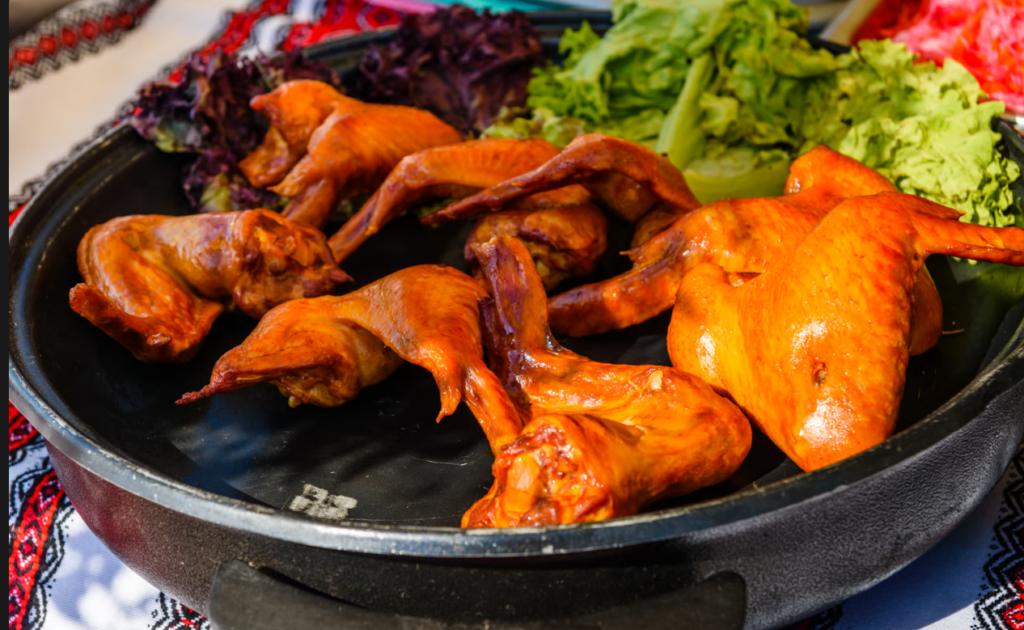
- Smoky grilled meat (nyama choma on the go)
- Chapati wraps filled with beans, eggs, or beef
- Samosas, mandazi, and roasted maize
- Quick soda-and-sausage combos from street vendors
The CBD is where Nairobi proves that great food doesn’t need fine dining. It just needs fire, flavor, and speed.
2. Westlands: The City After Dark
Move a few kilometers west and you land in Westlands – a district that completely changes the mood of eating in Nairobi.
If the CBD is about survival and speed, Westlands is about experience.
At night, this area transforms into a buzzing culinary and nightlife hub. Restaurants glow, grills smoke, and music fills the air.
Food culture here includes:
- High-end steakhouses and grill houses
- Pan-Asian cuisine and sushi spots
- Trendy cafés and dessert lounges
- Late-night bites after clubbing
Westlands is where Nairobi shows off. It’s polished, modern, and always evolving.
Discover Best Restaurants in Nairobi Here
3. Kilimani: The Global Fusion Zone
If Nairobi had a “global food melting pot,” it would be Kilimani.
Kilimani is where international residents, young professionals, and creatives come together to eat without borders. The result? A food scene that borrows freely from everywhere.
Expect:
- Ethiopian injera platters next to Korean BBQ
- Vegan cafés and smoothie bars
- Mediterranean wraps and Indian curries
- Artisan coffee shops with minimalist aesthetics
Kilimani is less about tradition and more about experimentation. It’s where Nairobi’s food scene gets its global passport.
4. Eastleigh: Bold Flavors and Big Portions
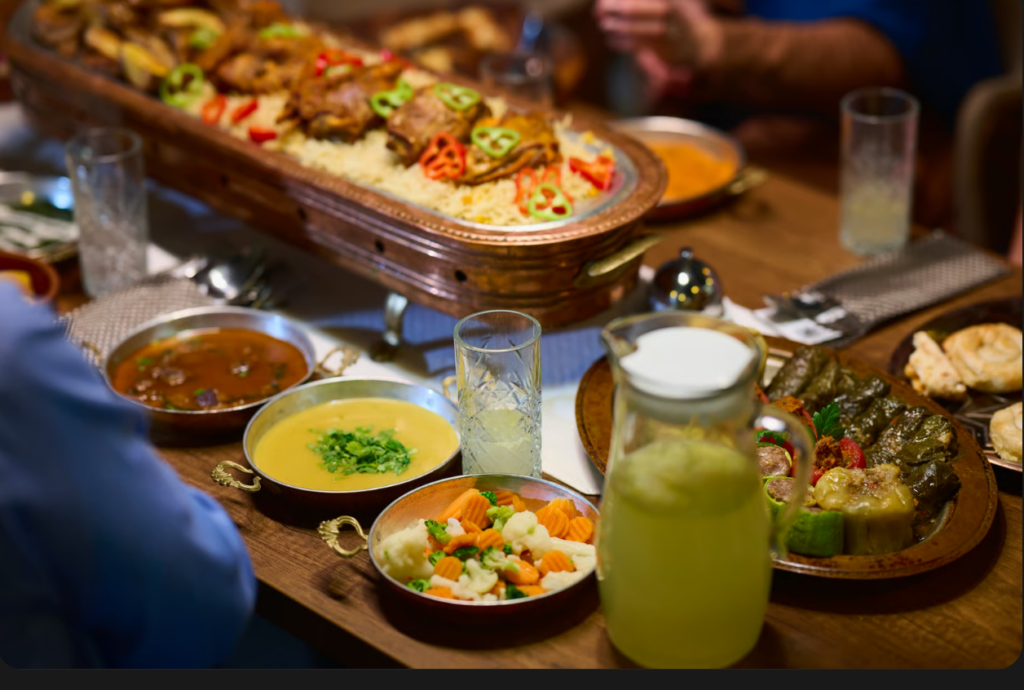
In Eastleigh, food is generous, bold, and deeply rooted in Somali and East African culinary traditions.
This area is famous for its hospitality-driven food culture where sharing is the norm and portions are never small.
Signature food experiences:
- Spiced rice dishes like pilau and biryani
- Suqaar (spiced meat stir-fry)
- Fresh juices and sweet tea
- Large platters meant for sharing
Eastleigh is where food feels like family. It’s vibrant, fast-paced, and deeply communal.
5. Karen: Slow Dining in Green Spaces
In contrast to Nairobi’s busy core, Karen offers a completely different food experience – slow, scenic, and relaxed.
Here, meals are not rushed. They are enjoyed.
What defines Karen’s food scene:
- Farm-to-table restaurants
- Organic and health-focused menus
- Garden cafés surrounded by greenery
- Weekend brunch culture
Karen is where Nairobi goes to breathe. Dining here often feels like a retreat rather than a routine meal.
6. Kibera and the Real Street Food Economy
In Kibera, one of Africa’s largest urban settlements, food culture is rooted in resilience, creativity, and affordability.
Here, food is not a luxury – it is survival, community, and innovation combined.
Common foods include:
- Ugali with sukuma wiki (collard greens)
- Fried fish and roasted meat
- Chapati and beans sold in small kiosks
- Local snacks prepared fresh daily
What stands out in Kibera is how food vendors adapt constantly – offering affordable meals that still feel hearty and satisfying.
7. Nairobi’s Café Culture: Where Coffee Meets Creativity
Beyond neighborhoods, Nairobi has developed a strong café culture that connects remote workers, students, and creatives.
Across the city, cafés have become:
- Workspaces
- Social hubs
- Meeting points
- Creative studios
From artisanal coffee to locally sourced blends, Nairobi’s café scene has grown into one of the most exciting parts of its food identity.
8. The Influence of Kenyan Cuisine
No matter how global Nairobi becomes, Kenyan food remains the backbone of its culinary identity.
Staples like:
- Ugali
- Nyama choma
- Sukuma wiki
- Githeri
- Pilau
…are still widely eaten across the city.
What’s interesting is how these dishes evolve. In modern Nairobi, you’ll find gourmet versions of traditional meals served in upscale restaurants, proving that heritage and innovation can sit on the same plate.
9. Street Food: The Heartbeat of the City
If you really want to understand Nairobi’s food identity, start with the street.
Street food in Nairobi is:
- Accessible
- Fast
- Affordable
- Deeply cultural
From sunrise to late night, vendors keep the city fed. It’s not just food—it’s a system that supports thousands of livelihoods daily.
10. Why Nairobi Truly “Eats Different”
So what makes Nairobi’s food culture stand out?
1. It changes by neighborhood: Every area has its own food identity.
2. It blends tradition and modernity: Old recipes meet new techniques.
3. It reflects diversity: Dozens of cultures contribute to what the city eats daily.
4. It’s always evolving: New restaurants, pop-ups, and street trends appear constantly.
5. It serves every budget: From luxury dining to roadside snacks, no one is left out.
Final Thoughts: A City That Eats Like It Lives
Nairobi doesn’t follow one food story – it writes many at once. In a single day, you can experience street-side roasting, global fusion dining, home-style comfort food, and experimental café culture.
That’s what makes it special.
To eat in Nairobi is to understand the city itself: fast, diverse, unpredictable, and full of flavor.
So the next time you think about Nairobi food, don’t ask what’s on the menu – ask where in the city you are eating.
Related Articles

Kit Mikayi and the Crying Stone: Why Kenya’s Sacred West Deserves Your Attention
There is a rock formation about 30 kilometers west of Kisumu that has been pulling people toward it ...

Before You Book Kenya, Read This First
Here’s the thing about Kenya: people book it wrong all the time. Not the safari itself — the e...

Wildebeest Migration: Why It Doesn’t Wait for No One
Every year, without a calendar, without a forecast, and without a single human cue, over 1.5 million...

Floating Over the Maasai Mara at Dawn Is Exactly What It Sounds Like
It’s 4:30 in the morning. Your guide knocks on your tent canvas with two gentle raps, and you ...