
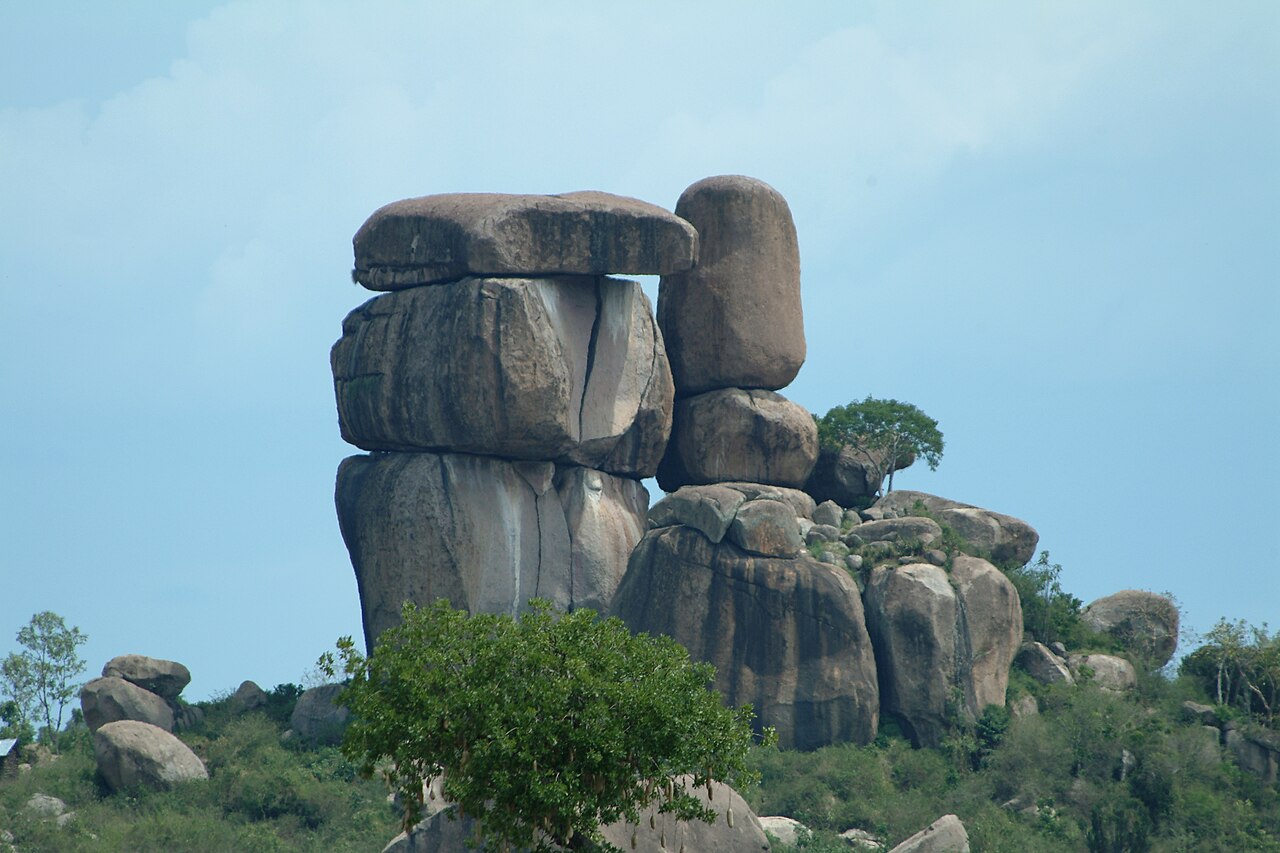
There is a rock formation about 30 kilometers west of Kisumu that has been pulling people toward it for centuries. Men and women who have walked hours across dry farmland to reach it. Elders who have knelt before it in drought, asking for rain. Brides who have stood before its lower caves and shaken their shoulders and ululated into the ancient stone. Members of a Christian sect who have fasted and prayed within its shadowed corridors for days on end. Tourists who have climbed it and stood at the top and looked out across a landscape that includes, on a clear morning, the vast silver mirror of Lake Victoria.
The rock is called Kit Mikayi. In Dholuo — the language of the Luo people — the name means Stone of the First Wife. The story behind that name says everything about how the Luo understand the relationship between people, land, and permanence.
An elder named Ngeso, so the legend goes, spent so much time at this rock — sitting with it, sheltering in its caves, returning to it day after day — that his wife began telling visitors he had gone to his “first woman.” The rock became his first wife. The name stuck. It has been used for so long that it now feels less like a legend and more like a fact: Kit Mikayi is not merely a geological feature. It is family.
What Is Kit Mikayi?
Kit Mikayi is a granitic tor — a large, free-standing rock formation created when softer surrounding rock eroded away over millions of years, leaving the harder granite exposed. The formation stands approximately 40 meters high and consists of several stacked boulders and pillars, each with its own name in Luo tradition.
The largest, central formation is Mikayi herself — the First Wife. Adjacent formations represent Nyachira (the Second Wife), Reru (the Third Wife), and the husband Ngeso. A smaller formation represents the firstborn son, Simba. The entire ensemble reads, to Luo eyes, as a portrait of a traditional polygamous homestead — a family frozen in stone, permanent and unmoving, while generations of human families have lived and died and been born again around it.
UNESCO officially recognized Kit Mikayi Kenya in December 2019. Specifically, the organization inscribed the site’s rituals on its List of Intangible Cultural Heritage. This move highlights the urgent need to safeguard these ancient practices. Furthermore, this recognition places the site in a prestigious category of human significance.
In fact, the rock represents for culture what the Maasai Mara represents for wildlife. Ultimately, it serves as an irreplaceable expression of a people’s identity. Additionally, it defines their deep relationship to the land. Consequently, visiting the stone offers a profound understanding of the world.
The Rituals of Kit Mikayi
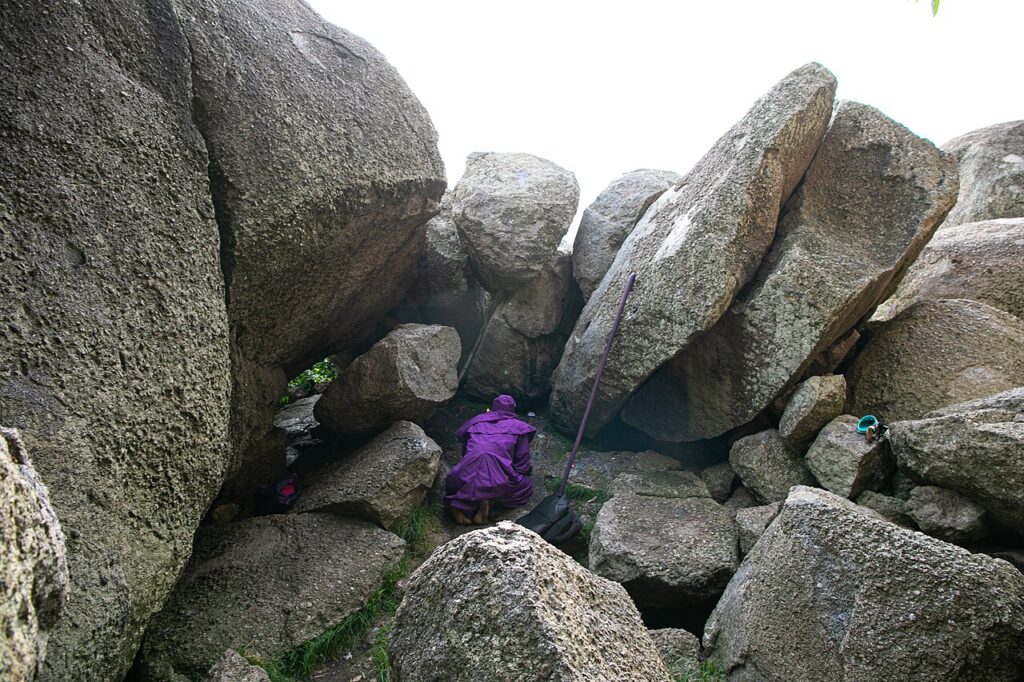
The rock is not merely an attraction. It is a living spiritual and cultural institution, and understanding its rituals transforms a visit from tourism into something much closer to genuine encounter.
The Otenga Ceremony
When a Seme woman marries and leaves her home village, she does not simply move away. She performs a ritual called the Otenga — a ceremony of departure and allegiance. She comes to Kit Mikayi, shakes her shoulders in the traditional dance posture, ululates, and throws offerings — grain, tobacco, other small gifts — into the mini-caves at the base of the rock’s formations. The act acknowledges that she is leaving the land of her birth and pledging her allegiance to new ground. It is, in its way, deeply moving: a woman standing before a rock that has witnessed this exact ceremony hundreds of times, in the same spot, across generations she cannot count.
Rainmaking Rituals
Specifically, Kit Mikayi Kenya shares an ancient relationship with water. In fact, the community watches for the rock to weep. This happens when water seeps from its stone surface. Consequently, Luo tradition reads this as a sign of impending drought. Alternatively, it may signal divine displeasure with the community.
Locals call this phenomenon Mikayi Ywak. Literally, this means “The First Wife is crying.” Furthermore, this event prompts the elders to gather for prayer. Ultimately, the crying stone serves as a vital spiritual barometer for the region. Indeed, its tears connect the physical landscape to the community’s future.
Whenever the rock wept, elders would gather. Specifically, they selected animals like goats, hens, or sheep. The leaders then performed sacrifices at designated sites. Additionally, the community spoke prayers and sang traditional songs. Afterward, everyone would feast together.
In fact, these ceremonies represented a negotiation between equals. The community spoke to the ancestors. In return, they expected the ancestors to respond. However, fewer elders hold knowledge of these rituals each generation. Consequently, UNESCO flagged these practices for urgent safeguarding. Ultimately, protecting this heritage ensures the survival of Luo identity.
Initiation Rites
Traditionally, boys reaching approximately twelve years of age underwent initiation ceremonies at Kit Mikayi that marked their transition from boyhood to adult membership in the Seme community. These rites involved separation from the family homestead, a period of supervised seclusion, and rituals presided over by designated elders. The specific practices have evolved over time with changing community structures, but the significance of Kit Mikayi as a site of passage and transformation remains.
Oath-Swearing and Dispute Resolution
Ultimately, the rock functions as a court of ultimate truth. Specifically, the community brings serious disputes to Kit Mikayi Kenya for oath-swearing. These conflicts often involve land boundaries or accusations of wrongdoing. Furthermore, these rituals resolve issues that ordinary mediation has failed to settle.
In fact, swearing an oath here is a binding act. People swear before the ancestors who inhabit the stone. Consequently, no secular institution can replicate this level of authority. Moreover, lying under such an oath carries heavy spiritual consequences. Indeed, Luo cosmology treats these broken promises with extreme seriousness.
The Legio Maria Pilgrimage
Perhaps the most striking use of Kit Mikayi Kenya involves the Legio Maria. This charismatic Christian sect broke from Roman Catholicism in the 1960s. Specifically, they developed their own unique and syncretic theology. Today, Legio Maria members travel to the site in their signature white robes.
In fact, these pilgrims arrive in significant numbers to fast and pray. Furthermore, they often hold long vigils inside the ancient caves. Ultimately, the sight of white robes moving among the rocks at dawn is extraordinary. Consequently, this ritual remains one of the most singular things you can witness in western Kenya. Indeed, it perfectly blends modern faith with ancient geological formations.
Visiting Kit Mikayi: The Practical Guide
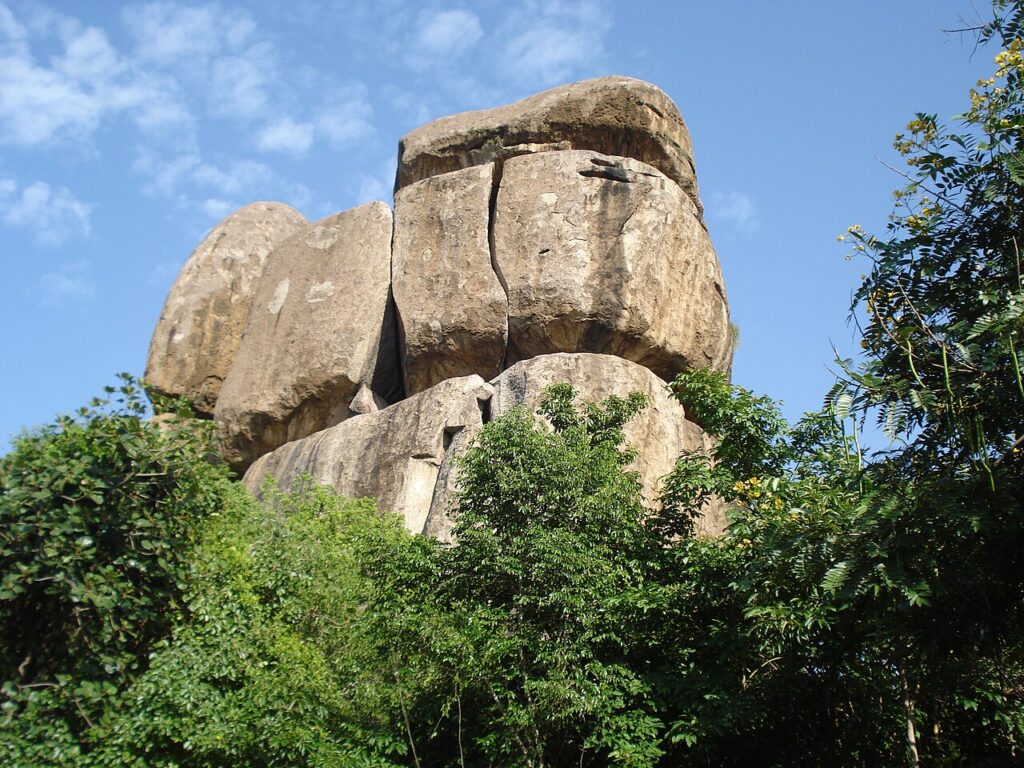
Kit Mikayi is located approximately 28–30 kilometers west of Kisumu city center, in Kangeso village in Seme Sub-County. The journey takes roughly 30–45 minutes by road from Kisumu.
Getting there: The site is reachable from Kisumu via the Kisumu–Bondo road. Private taxis and tuk-tuks from Kisumu make the trip; most tour operators in Kisumu include Kit Mikayi as part of a western Kenya circuit.
What to expect: You enter through a small gate where a community guide will meet you. Hiring a local guide is not merely advisable — it is essential. The rock’s sacred zones, the specific meanings of each formation, the protocols around certain areas, and the living cultural context are all things that the site itself cannot communicate through signage. A good guide transforms the visit completely.
The climb to the summit is manageable for most reasonably fit visitors and involves some scrambling over rock surfaces. From the top, on a clear morning, you can see Lake Victoria glittering to the west, the sprawl of Kisumu and Kisumu International Airport to the east, and the rolling plains of Seme Sub-County in every direction. It is a genuinely beautiful vantage point.
Protocols to respect: Kit Mikayi is an active spiritual site. Follow your guide’s instructions about where you can and cannot go. Avoid the designated sacred zones unless specifically taken there by a guide. Photography in certain areas may be restricted or require permission. Dress modestly. Approach the site with the respect you would give any active place of worship — which is exactly what it is.
When to visit: Kit Mikayi can be visited year-round. Early mornings are the most atmospheric, particularly if you arrive around the time that Legio Maria members may be present for prayers. The site is a short distance from Kisumu, making it an easy half-day excursion that pairs naturally with Kisumu city itself, Lake Victoria boat trips, or as a starting point for a broader western Kenya circuit.
The Crying Stone of Ilesi: A Different Rock, A Different People
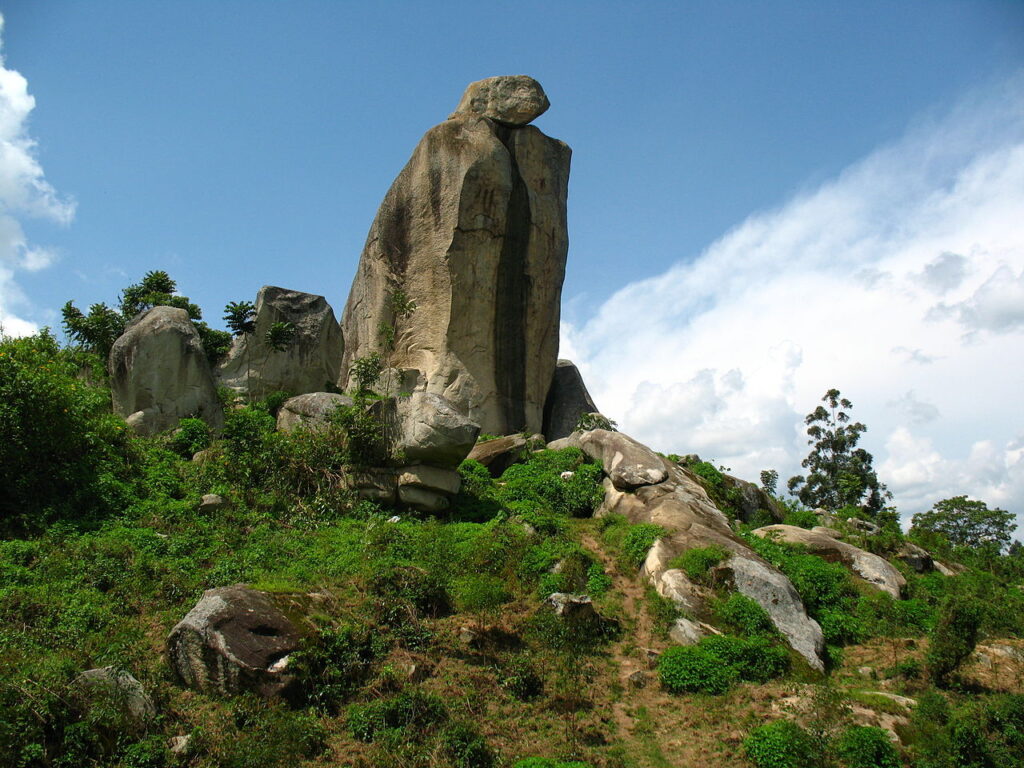
Seventy-odd kilometers northeast of Kit Mikayi, in Kakamega County, stands a completely different sacred rock with a superficially similar story — and it’s important to understand the distinction.
The Crying Stone of Ilesi (known locally as Ikhongo Murwi in the Luhya language) is a 40-metre boulder perched on a narrower column of rock, giving it a precariously balanced appearance that is striking from a distance. Unlike Kit Mikayi — which is sacred to the Luo — the Crying Stone is sacred to the Luhya community, specifically the Isukha sub-tribe.
Its name comes from the same phenomenon: water seeping from the rock, particularly after rains, that resembles tears streaming down a face. For the Isukha, this was a sign of blessing — a harbinger of rain and good harvest, the rock weeping with joy rather than grief. The stone was believed to protect the community from enemies. Local legend holds that over 100 Nandi warriors died when they attempted to dismantle it, convinced that its power was the source of the Luhya’s strength.
The Crying Stone’s functions parallel Kit Mikayi’s in some respects — it served as a site for rain-making, dispute resolution, and cleansing rituals for community members who had violated social taboos. A cave beneath the stone called Shimichiro was used for the purification of individuals involved in serious transgressions, a process administered by elders using traditional medicinal herbs.
The Tragedy of the Crying Stone
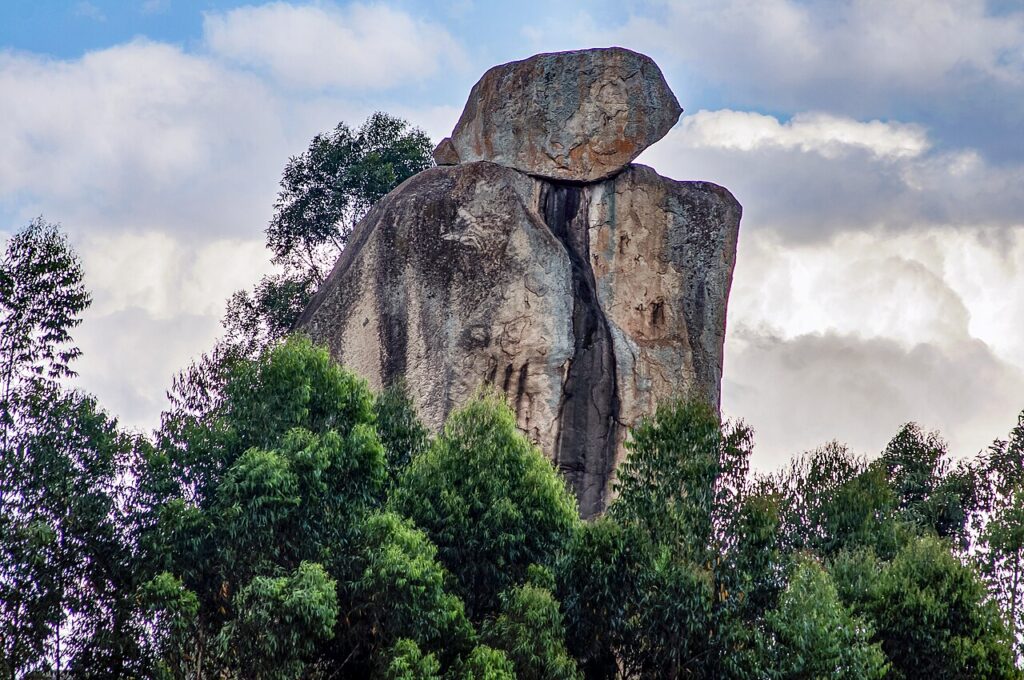
Here is where the story becomes a contemporary one, and a sobering one. The Crying Stone has largely stopped crying. In recent years, the trickle of water that once reliably streamed down its face has slowed to almost nothing, leaving the stone increasingly dry.
Locals and researchers attribute the drying to two interconnected causes: climate change altering rainfall patterns in the Lake Victoria basin, and the widespread planting of eucalyptus trees across the surrounding landscape. Eucalyptus are heavy water consumers, extracting enormous volumes of groundwater. As they have spread across western Kenya over the past few decades, water tables have dropped significantly in many areas. The Crying Stone’s tears, dependent on groundwater seeping through the rock’s structure, have largely ceased.
This is not merely a curiosity. For the Isukha community, the stone’s silence is a rupture in their relationship with the land. The rituals performed here lose something irretrievable when the physical phenomenon they were built around disappears. It is a small but vivid story of how climate change and introduced environmental pressures reach into places that appear to have nothing to do with carbon emissions or deforestation policy — and hollow them out.
The Crying Stone remains worth visiting as part of a Kakamega circuit. Local guides will tell you its history with evident love and some sadness. The rock itself is still striking. But come knowing that you may be seeing a cultural landmark in the process of being grievously changed.
Kakamega Forest: Kenya’s Lungs, and Africa’s Easternmost Rainforest
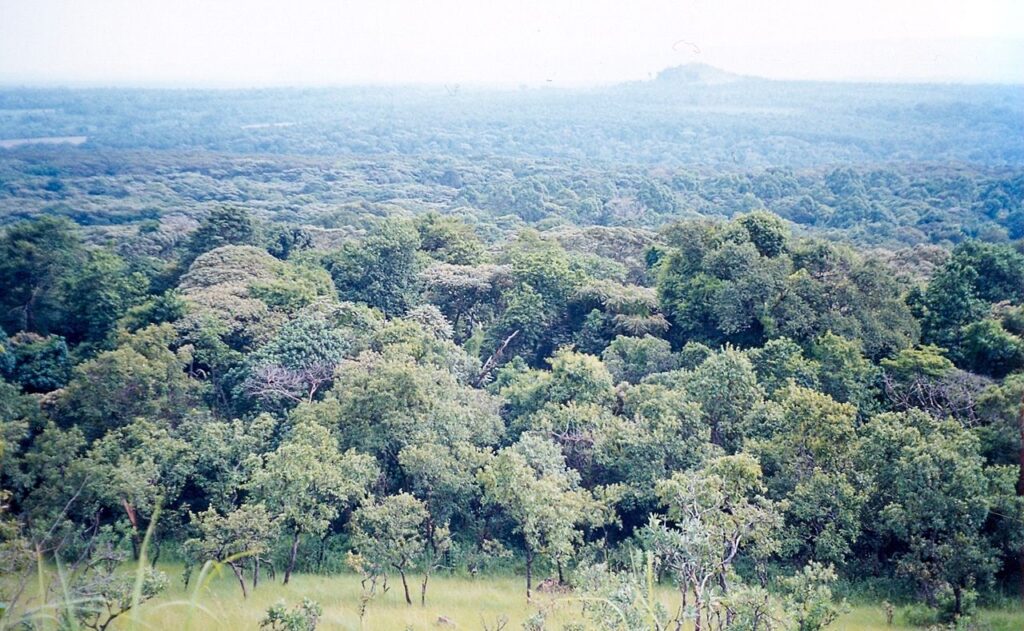
Between Kit Mikayi and the Crying Stone, geographically and experientially, lies Kakamega Forest — and nothing in western Kenya is more extraordinary.
Kakamega is the only tropical rainforest in Kenya and the easternmost remnant of the great Guineo-Congolian forest that once stretched in an unbroken band from West Africa all the way to East Africa’s coast. That ancient forest has been cleared, fragmented, and reduced over millennia of human activity, logging, and agricultural expansion. Kakamega survives as a precious relic — approximately 240 square kilometers of cathedral-canopy forest that feels, from its first steps, like stepping into a different country.
The forest is managed in overlapping sections by Kenya Wildlife Service (the National Reserve, around 45 square kilometers) and Kenya Forest Service (the broader Kakamega Forest ecosystem). Walking trails penetrate the reserve from several entry points, and a canopy watchtower allows a bird’s-eye perspective over the forest roof.
Kakamega’s Wildlife
Over 360 bird species have been recorded here — a number that makes Kakamega one of the most significant birdwatching destinations in Kenya and East Africa. The critical point is that many of these species are West African species found nowhere else in the country. The Great Blue Turaco — enormous, iridescent, absurdly colorful — is the forest’s ambassador species, more commonly heard (a deep, resonant croaking call) than seen, but spectacular when it does reveal itself. Turner’s Eremomela, the Blue-headed Bee-eater, the Yellow-bellied Wattle-eye — these are species for which birders fly to Kenya specifically for Kakamega and nowhere else.
Seven primate species inhabit the forest, including black-and-white colobus monkeys, De Brazza’s monkeys, red-tailed monkeys, and olive baboons. The colobus — with their dramatic black and white coats and long, silky tails — are the most easily spotted, often seen high in the canopy in groups that crash noisily through the branches.
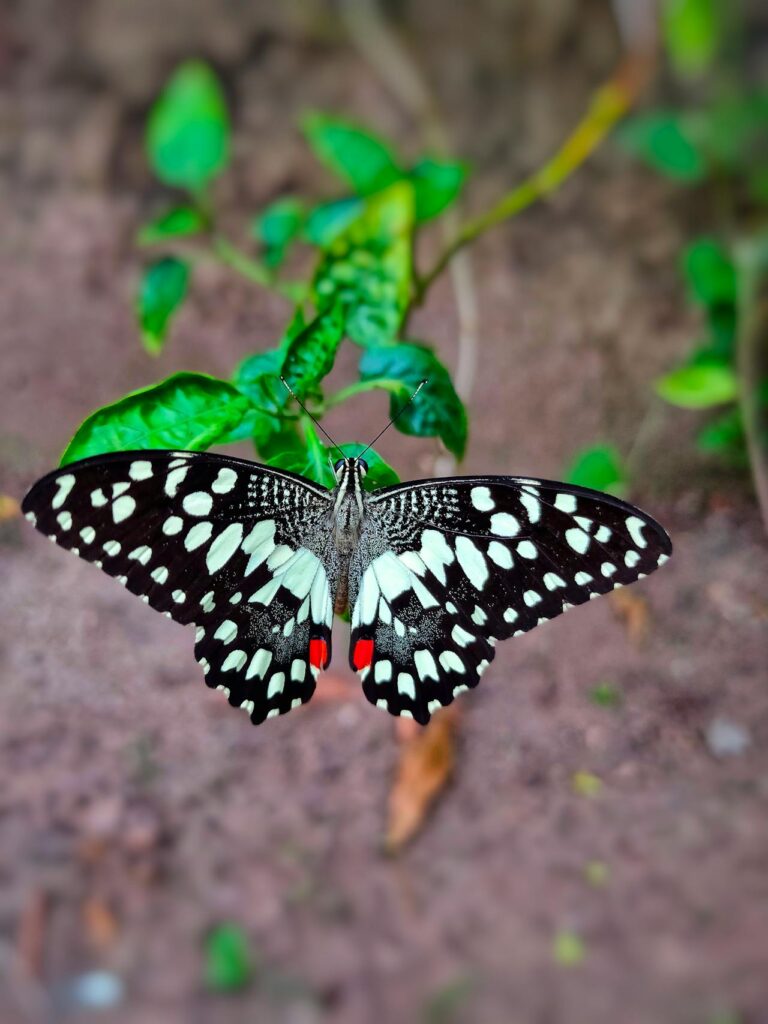
Over 400 butterfly species have been recorded, making Kakamega one of the richest butterfly habitats in East Africa. The sheer density and diversity of butterfly life in certain clearings and along forest streams is extraordinary.
36 snake species are present, including the forest cobra, Jameson’s mamba, and the spectacularly horned rhinoceros viper — mostly secretive and unlikely to be encountered, but worth knowing about.
Bush pigs, mongoose, porcupines, and at night — if you’re fortunate and patient — flying squirrels, tree pangolins, and pottos (a slow-moving nocturnal primate) round out the mammal list.
Walking Kakamega
Walking is the only way to experience the forest. The main trail network from the Buyangu area (the KWS section) includes a short, steep climb to Buyangu Hill, where the rolling forest canopy spreads below you in an unbroken green horizon — one of the most peaceful views in western Kenya. The Isiukhu River and its small but beautiful waterfall provide a natural rest point on longer walks.
Guided walks are conducted by forest-certified guides who know the trails, the bird calls, the medicinal plants used by communities bordering the forest, and the cultural history of the landscape. Night walks — available with advance arrangement — offer a completely different encounter with the forest, revealing nocturnal species and the extraordinary soundscape of a tropical rainforest after dark.
Best time to visit: Kakamega is accessible year-round, though the two rainy seasons (April–June and October–November) make trails muddier and wetter. December to February and April (short dry) are often the clearest. December to March tends to produce excellent bird activity with resident species at their most vocal.
Kisumu: The Lakeside Gateway
Any western Kenya journey passes through Kisumu — and the city deserves more than a passing stop. Kenya’s third-largest city (after Nairobi and Mombasa) sits directly on the northeastern shore of Lake Victoria, and it has a character completely distinct from both.
Kisumu is a Luo city in its cultural orientation, and the Luo relationship with Lake Victoria — as fishermen, traders, storytellers, and stewards — shapes the city’s personality. The Kisumu Museum, set in landscaped grounds near the city centre, is one of the better regional museums in Kenya, covering Luo cultural traditions, natural history, and an outdoor ethnovillage that contextualises the practices you’ll encounter at Kit Mikayi.
The Kisumu Impala Sanctuary on the western edge of the city offers a small but genuine wildlife encounter — impalas, zebras, hippos, and over 100 bird species, with Lake Victoria as a backdrop. A morning boat ride on the lake from Dunga Beach puts you out onto the second-largest freshwater lake on earth, with fishing canoes drifting past, fish eagles calling from every tree, and hippos surfacing lazily in the shallows.
Hippo Point, a few kilometers from the city center, is exactly what it sounds like — a promontory over the lake where hippos are reliably visible, particularly in the mornings and evenings.
Ndere Island National Park, reached by boat, is a small island sanctuary home to monitor lizards, various antelope, and a remarkable concentration of bird life. It’s an unusual experience — a proper national park accessible only by water.
Kisumu’s Food Scene
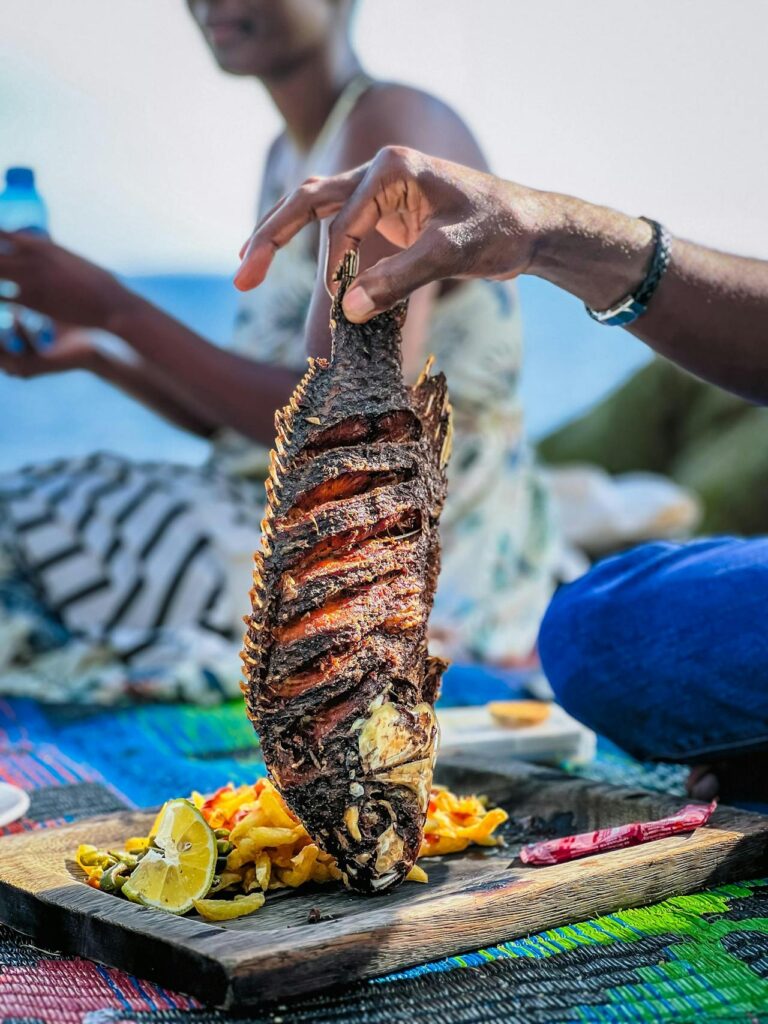
Fresh tilapia and Nile perch from Lake Victoria are the foundation of Kisumu’s food culture, and eating fresh-caught fish at one of the lakeside restaurants or at the Dunga Beach fish market is one of those honest, unmediated food experiences that no tourist-focused restaurant can replicate. The fish is cooked over charcoal, often accompanied by ugali (stiff maize porridge), kale, and a chilli relish. It is completely, unfussily good.
Building Your Western Kenya Itinerary
Western Kenya rewards travelers who give it time. Done as a day trip from Nairobi, you can just about reach Kisumu and see Kit Mikayi. Done as a three-to-five-day circuit, you can see something genuinely transformative.
3-Day Western Kenya Essentials: Day one: drive from Nairobi to Kisumu (about 4–5 hours via Nakuru or the faster southern route via Kericho), afternoon boat ride on Lake Victoria, evening in Kisumu. Day two: morning at Kit Mikayi, afternoon at Kakamega Forest. Day three: Crying Stone of Ilesi on the way back east, with a stop at Nabongo Cultural Centre in Kakamega town (a fascinating window into the Wanga kingdom’s history) before returning to Nairobi or continuing to a Rift Valley extension.
5-Day Western Kenya and Rift Valley: Extend the above with a night at Lake Baringo or Lake Bogoria on the return, building a circuit that covers rainforest, sacred rocks, Lake Victoria, and Rift Valley lakes in one continuous journey.
Kisumu-Based Explorer: Stay in Kisumu for three nights and take day trips to Kit Mikayi, Kakamega Forest, Ndere Island, and the Rusinga Island (home of the Tom Mboya Mausoleum and extraordinary birdwatching) via the causeway from Mbita.
Accommodation
Kisumu has grown considerably as a hospitality destination. Acacia Premier Hotel and Kiboko Bay Resort are among the best-positioned lakeside options for visitors wanting a Lake Victoria experience built into their stay. Kakamega offers several mid-range and budget options near the forest, with the Rondo Retreat Centre being the most atmospheric — it sits inside the forest itself.
Why Western Kenya Deserves More of the Tourism It Rarely Gets
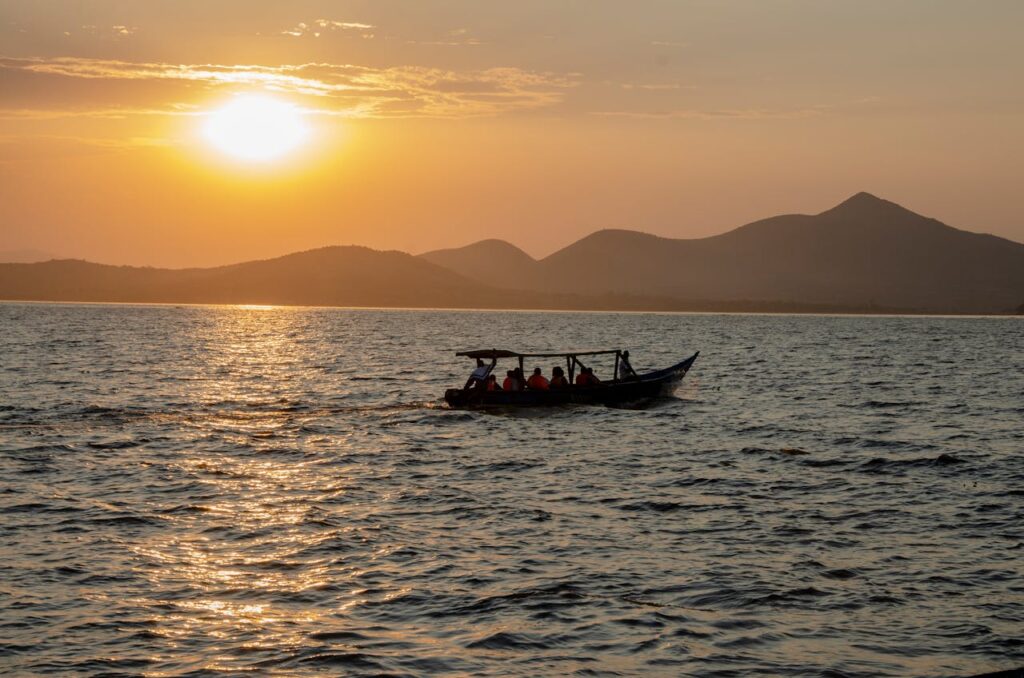
The honest truth about western Kenya is that it receives a fraction of the tourism its richness warrants. The Maasai Mara draws visitors by the hundreds of thousands. Diani fills resort beds for most of the year. The Rift Valley lakes get their share of weekend escapes from Nairobi.
Western Kenya — Lake Victoria, Kisumu, Kit Mikayi, Kakamega Forest, the Crying Stone, Ruma National Park with its rare roan antelopes, Mount Elgon on the Uganda border, the Luo cultural heritage sites scattered across Siaya and Homa Bay counties — receives relatively few international visitors. Which means that the people who do make the journey find something increasingly rare in popular African travel: the sense that they are somewhere genuinely their own, not yet standardized or packaged or crowded.
The birds at Kakamega are extraordinary because so few tourists flush them from the canopy. Kit Mikayi on a quiet morning — with a knowledgeable Luo guide who grew up with these stories — is as powerful a cultural experience as Kenya offers anywhere. Lake Victoria’s islands, still largely visited only by researchers and the most dedicated travelers, feel genuinely discovered.
Western Kenya doesn’t ask you to find it. But it rewards enormously those who do.
Ruma National Park: The Park Nobody Talks About (But Should)
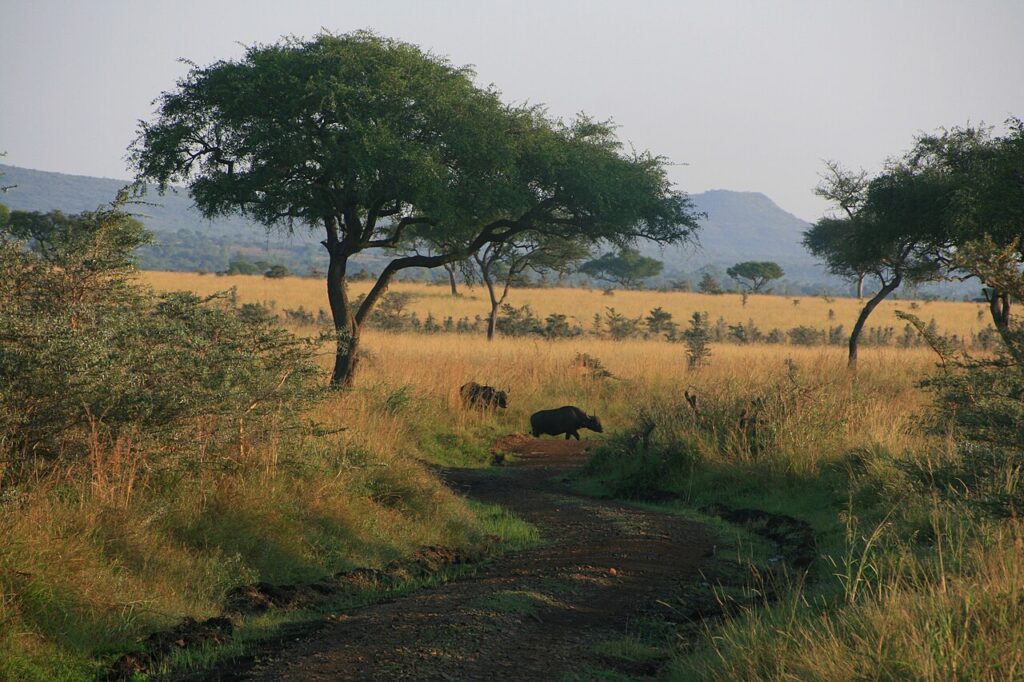
An hour’s drive south of Kisumu, down roads that take you through rolling hills and fishing villages on the shore of Lake Victoria’s Kavirondo Gulf, Ruma National Park sits in the Lambwe Valley — and it is one of Kenya’s genuinely hidden gems.
Ruma is small (about 120 square kilometers), receives very few visitors, and is home to one of Kenya’s most compelling wildlife stories. The park is the last stronghold in Kenya for the roan antelope — a large, horse-like antelope with distinctive black-and-white facial markings and swept-back horns, a species that had almost disappeared entirely from this country. Conservation work has stabilized the population here, and a Ruma roan sighting remains something that specialists specifically travel for.
The park also supports Rothschild’s giraffe, oribi, topi, buffalo, leopard, and a remarkable diversity of birds. Because Ruma receives so few visitors, game drives here have a quality that is increasingly hard to find in Kenya’s more popular destinations: genuine solitude. You may spend an entire morning without seeing another vehicle. The wilderness feels unhurried, unperformed, completely itself.
The Language, the People, and What to Know Before You Go
Travelling in western Kenya with even a few words of Dholuo transforms your reception dramatically. The Luo are renowned throughout Kenya for their warmth, their pride in their culture, and their directness. A greeting of “Misawa” (hello) will almost always produce a delighted response and immediately establish a different quality of connection than the English-only traveler typically experiences.
A note on photography and cultural sensitivity: western Kenya is not a performance destination. Kit Mikayi is an active spiritual site. Kakamega’s border communities are real people living real lives. Ask before photographing individuals. Follow the protocols your guide establishes at sacred sites. Approach the Legio Maria pilgrims — if you encounter them — with the quiet respect you would give worshippers anywhere. Travel in western Kenya, done right, is an exchange, not an extraction.
Curious about western Kenya? Enquire about Western Kenya and heritage tours here — and get introduced to the side of Kenya that most people miss.
Related Articles
Before You Book Kenya, Read This First
Here’s the thing about Kenya: people book it wrong all the time. Not the safari itself — the e...
Nairobi Eats Different – Here’s Where the City Takes Its Meals
Nairobi is not just Kenya’s capital city – it is a living, breathing food map where cultures collide...
Wildebeest Migration: Why It Doesn’t Wait for No One
Every year, without a calendar, without a forecast, and without a single human cue, over 1.5 million...
Floating Over the Maasai Mara at Dawn Is Exactly What It Sounds Like
It’s 4:30 in the morning. Your guide knocks on your tent canvas with two gentle raps, and you ...