
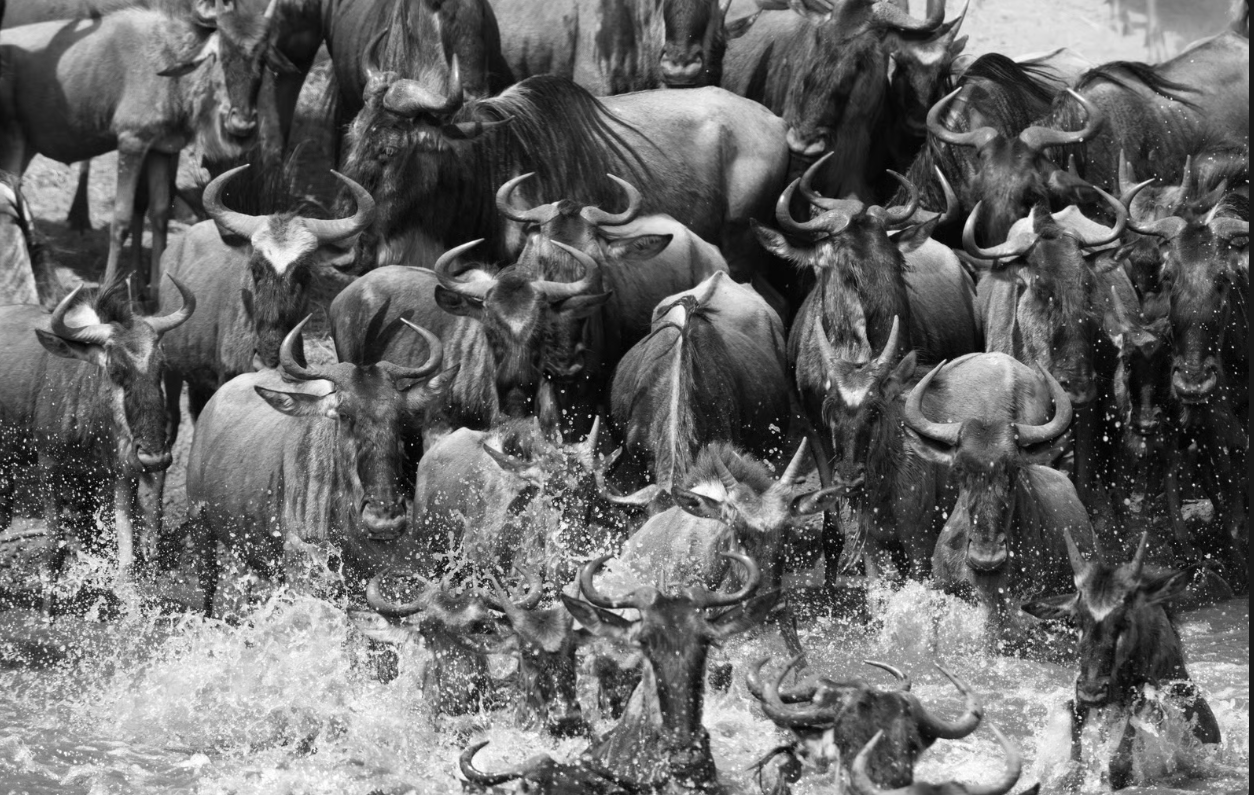
Every year, without a calendar, without a forecast, and without a single human cue, over 1.5 million wildebeest begin moving. They surge across the Serengeti-Mara ecosystem in a thundering, unstoppable loop that has repeated itself for millennia. No drought has stopped it. No predator has halted it. No border has redirected it. The Great Wildebeest Migration is nature’s most powerful reminder that some things simply cannot wait – and nothing, absolutely nothing, gets in the way.
What Is the Great Wildebeest Migration?
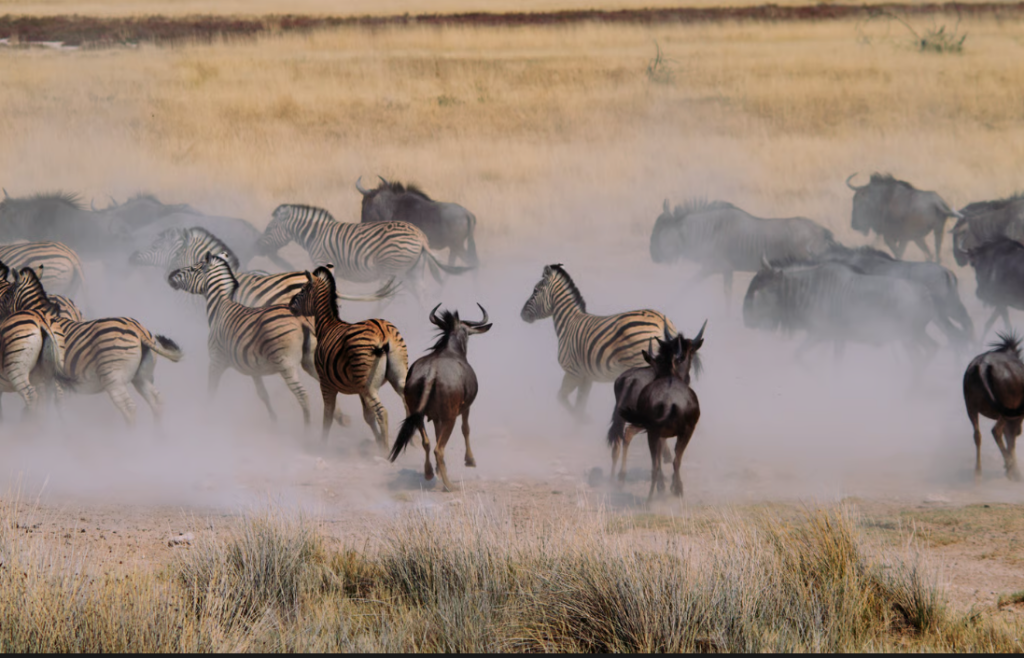
The Great Wildebeest Migration is the largest overland animal migration on the planet. It takes place across Tanzania’s Serengeti National Park and Kenya’s Masai Mara National Reserve – a combined ecosystem stretching over 30,000 square kilometers. The migration involves approximately 1.5 million wildebeest, accompanied by around 400,000 zebras and 200,000 Thomson’s gazelles.
This is not a one-time event. It is a continuous, year-round cycle driven by one singular need: grass. The animals follow the rains, chasing the fresh green pastures that spring up across the ecosystem in a seasonal pattern. They don’t rest. They don’t settle. They move, always.
The Science Behind the Movement
So what triggers the migration? The short answer is rain and grass. But the longer answer reveals something far more astonishing: wildebeest appear to detect rain from distances of up to 50 kilometers. Scientists believe they respond to the sight of distant storm clouds and the smell of wet earth carried by wind.
The Serengeti-Mara ecosystem experiences a predictable rainfall pattern. The short rains arrive around November, and the long rains follow between March and May. As the rains shift, so does the lush, nutritious grass that wildebeest depend on. Their movement is essentially a living compass, always pointing toward food.
There is also a remarkable synchrony in their calving season. Nearly 500,000 wildebeest calves are born within a 2–3 week window in February, primarily in the Ndutu region of the southern Serengeti. This is not coincidence – it is evolutionary strategy. By flooding the ecosystem with newborns all at once, predators are overwhelmed and the chances of individual survival skyrocket. Nature, it turns out, understands math.
The Annual Route: A Clockwise Journey of Survival
The migration follows a roughly clockwise circuit through the ecosystem. Here is how the year unfolds:
January – March: The Southern Serengeti and Ndutu Plains
The herds gather in the short-grass plains of the southern Serengeti, where calving takes place. The flat, open terrain offers visibility – mothers can spot predators, and the nutrient-rich volcanic soil produces grass packed with minerals essential for nursing calves.
April – May: Moving North Through the Central Serengeti
As the long rains arrive and the southern pastures dry out, the herds begin their northward push through the central and western Serengeti, passing through the Grumeti River area. The Grumeti is the first major river crossing of the year – and the Nile crocodiles there are waiting.
June – July: The Western Corridor and Grumeti Crossing
The dramatic Grumeti River crossings captivate photographers and wildlife enthusiasts every year. Thousands of animals plunge into crocodile-infested waters, driven forward by the primal pressure of the herd behind them. Many don’t make it. The ones that do push onward.
July – October: The Masai Mara and the Mara River Crossings
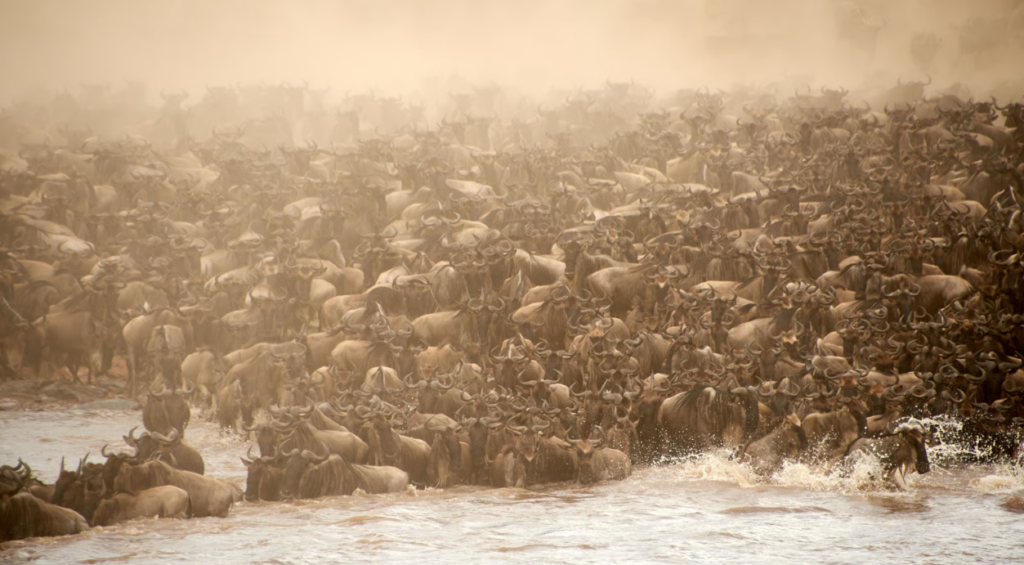
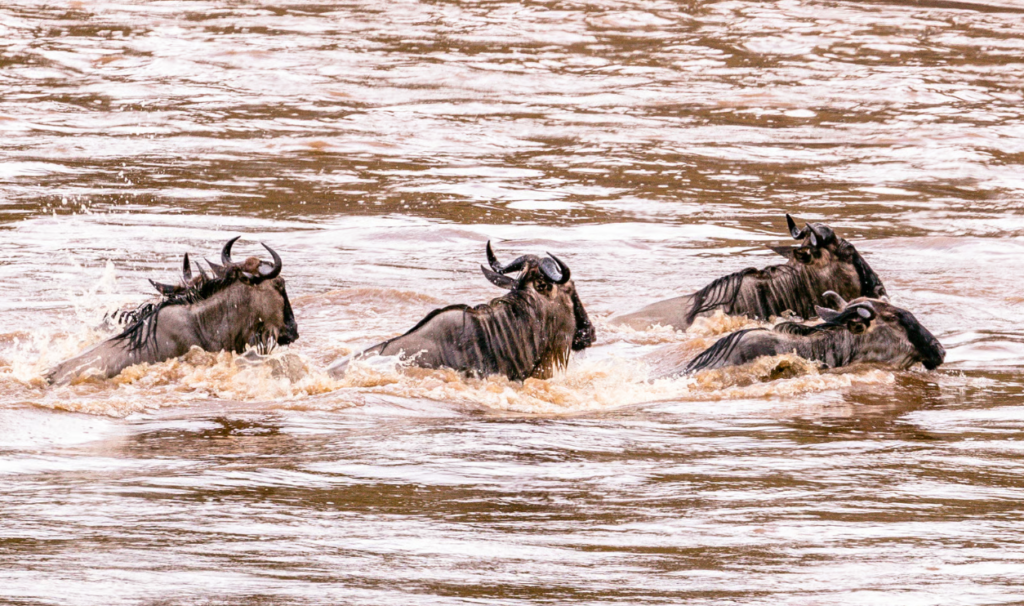
This is the moment most people picture when they think of the migration – the Mara River crossings. The herds pour into Kenya’s Masai Mara, where the Mara River presents the most treacherous obstacle of the entire journey. Steep banks, powerful currents, and enormous Nile crocodiles create scenes of raw, unfiltered survival. Lions, cheetahs, and hyenas are also in full force along the riverbanks.
The crossings are unpredictable. The wildebeest may attempt a crossing, panic, turn back, and try again days later. Or they may surge across in a frenzied mass that stains the water red. There is no predicting exactly when they will cross – only that they will.
November – December: The Return South
As the short rains begin to fall on the Serengeti once more, the herds begin their return journey southward, completing the loop and beginning the cycle again.
Why It Doesn’t Wait
The title of this article is not dramatic flair. It is ecological fact.
The wildebeest migration operates on biological and environmental triggers that override every external factor. Drought, human encroachment, disease, predation – none of these stop the migration. They may alter it slightly, delay it briefly, or reduce numbers over time, but the movement itself persists.
This is because stopping would mean death. An individual wildebeest that refuses to follow the herd faces starvation, predation, and isolation. The collective movement is not a choice – it is the only viable survival strategy the species has developed over millions of years of evolution.
The migration has continued through political instability, border changes, drought years, and even during periods of significant poaching pressure. The ecosystem has endured all of it. Because wildebeest, fundamentally, do not have the option to wait.
Threats to the Migration
Despite its resilience, the migration is not invincible. Several modern pressures threaten its long-term integrity:
1. Human Settlement and Agriculture: As human populations grow around the Serengeti-Mara ecosystem, traditional migration corridors are being blocked by farmland and settlements. When wildebeest can no longer move freely, the ecological balance of the entire system breaks down.
2. Climate Change: Shifting rainfall patterns are disrupting the seasonal grass cycles that drive the migration. Unpredictable rains mean unpredictable grass — and unpredictable grass means the herds may move earlier, later, or in altered directions that put them in conflict with human land use.
3. Infrastructure Development: Proposed roads and fences cutting through the Serengeti have been the subject of fierce conservation debates. Even a single major road through a key migration corridor can fragment the herd and cause massive population crashes.
4. Poaching: While large-scale commercial poaching of wildebeest is less prevalent than for species like elephants and rhinos, illegal snare hunting along migration routes kills thousands of animals annually.
Conservation organizations, governments, and local communities are working to protect the ecosystem – but the work is urgent.
Why the Migration Matters Beyond the Spectacle
It is easy to frame the Great Migration as pure spectacle – and it is, without question, one of the most extraordinary sights on Earth. But its ecological importance goes far beyond tourism and photography.
The wildebeest are ecosystem engineers. Their grazing patterns prevent the Serengeti’s grasslands from becoming overgrown, enabling a diversity of plant and animal species to thrive. Their dung fertilizes the soil. Their carcasses feed scavengers from vultures to hyenas to beetles, completing nutrient cycles that sustain the entire food web. When wildebeest numbers declined due to rinderpest disease in the early 20th century, the Serengeti’s grasslands transformed dramatically. Trees encroached, fires became more frequent, and biodiversity dropped. It was the recovery of wildebeest populations – not direct human intervention – that restored the Serengeti to the world-famous ecosystem it is today.
In other words, the migration is not just a show. It is the heartbeat of one of Earth’s most important wild places.
When and Where to Witness the Migration
For anyone considering experiencing the migration firsthand, timing and location are everything.
- January–March: Visit the Ndutu area in southern Tanzania for calving season – incredible predator action and tender newborn scenes.
- June–July: Head to the western Serengeti for Grumeti River crossings.
- July–October: Position yourself in the Masai Mara for the iconic Mara River crossings.
- November–December: Catch the return journey through the northern Serengeti.
No single point in the year is “better” than another – each phase offers a different, equally compelling chapter of the story.
Final Thought
The Great Wildebeest Migration has been happening since long before humans arrived to name it, photograph it, or write articles about it. It will likely continue long after we are gone — provided we give it the space to do so.
There is something humbling about standing at the edge of the Mara River and watching a million animals throw themselves into the current because nature told them to. No hesitation. No negotiation. No waiting.
The wildebeest migration doesn’t wait for no one.
And perhaps that is the most profound wildlife lesson of all: some forces of nature are bigger than any single creature, and the only way to survive is to move with them.
Related Articles
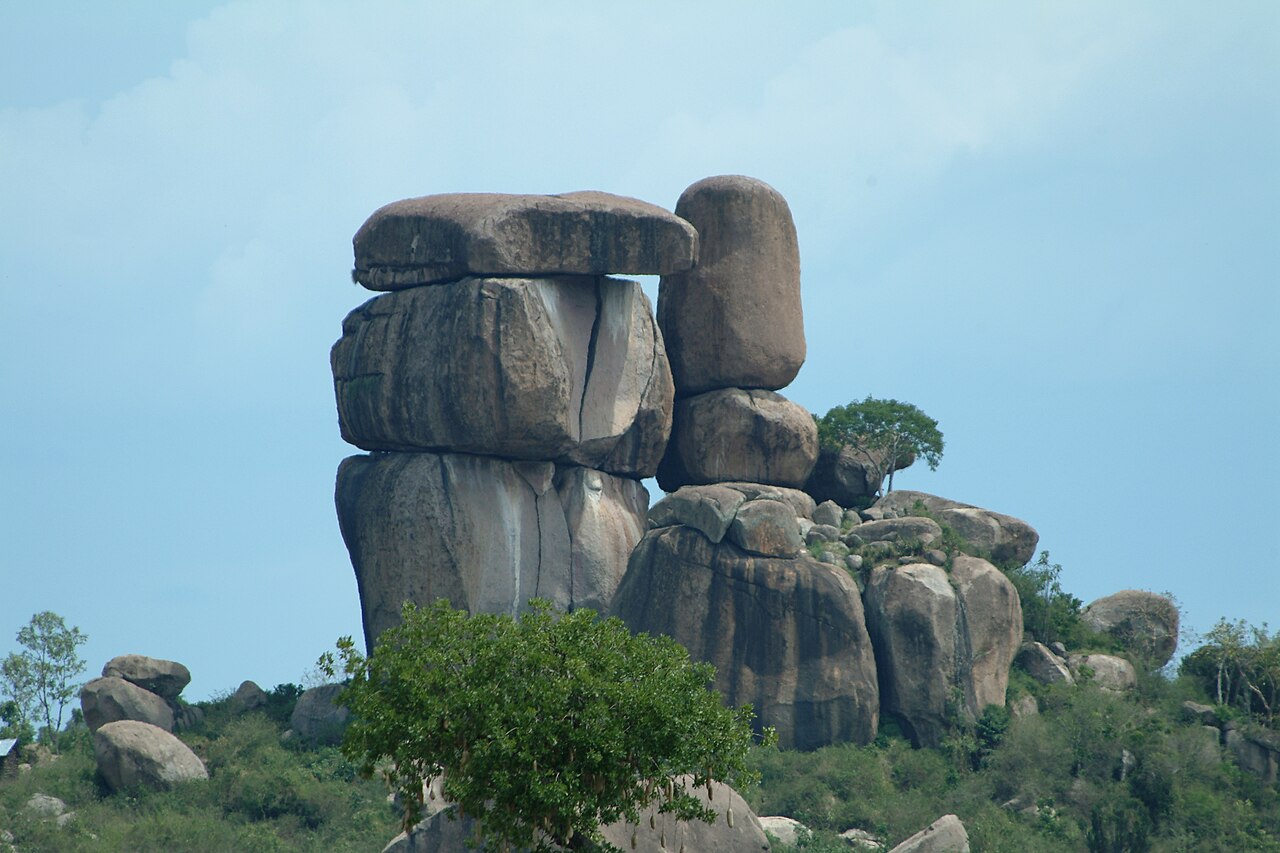
Kit Mikayi and the Crying Stone: Why Kenya’s Sacred West Deserves Your Attention
There is a rock formation about 30 kilometers west of Kisumu that has been pulling people toward it ...
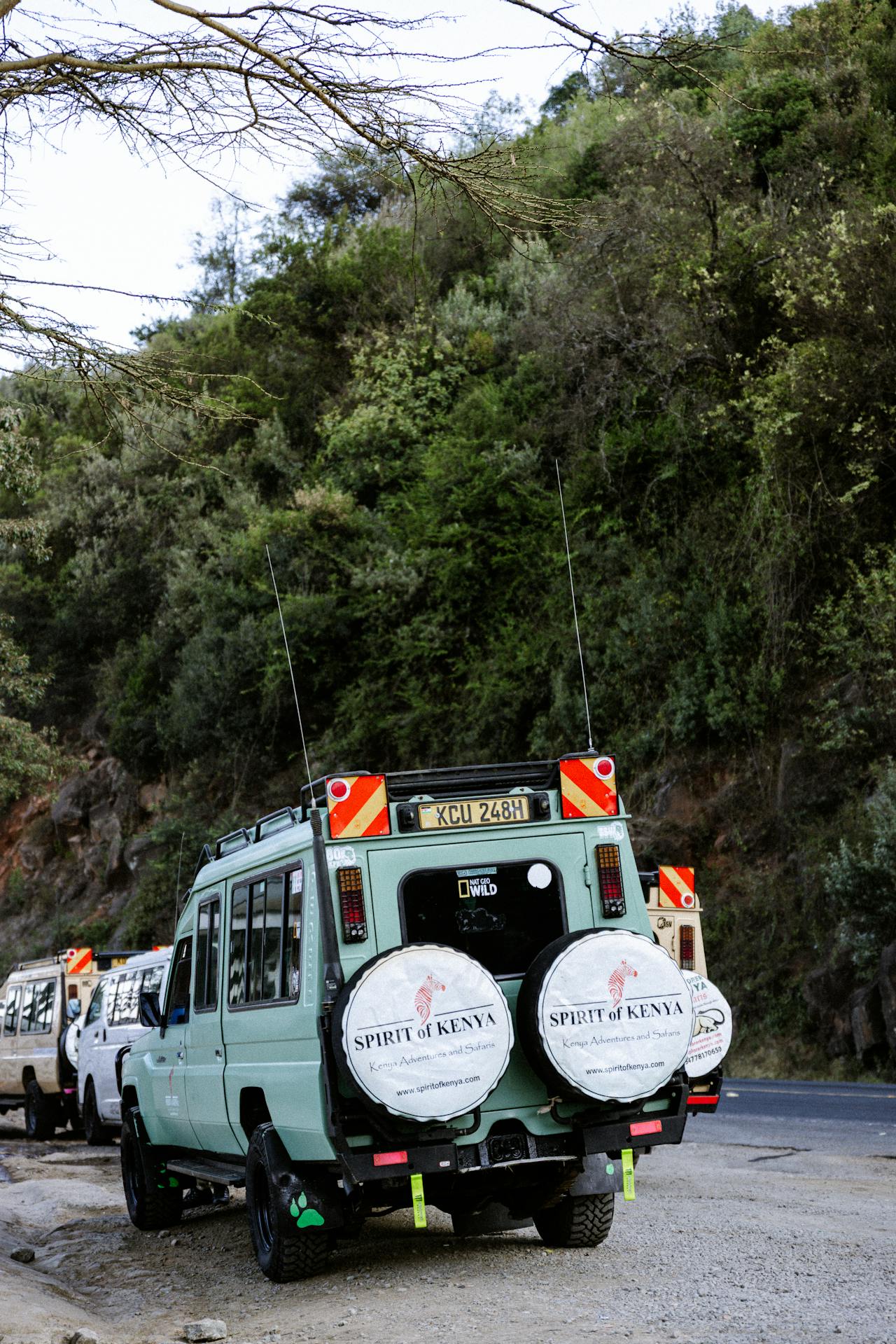
Before You Book Kenya, Read This First
Here’s the thing about Kenya: people book it wrong all the time. Not the safari itself — the e...
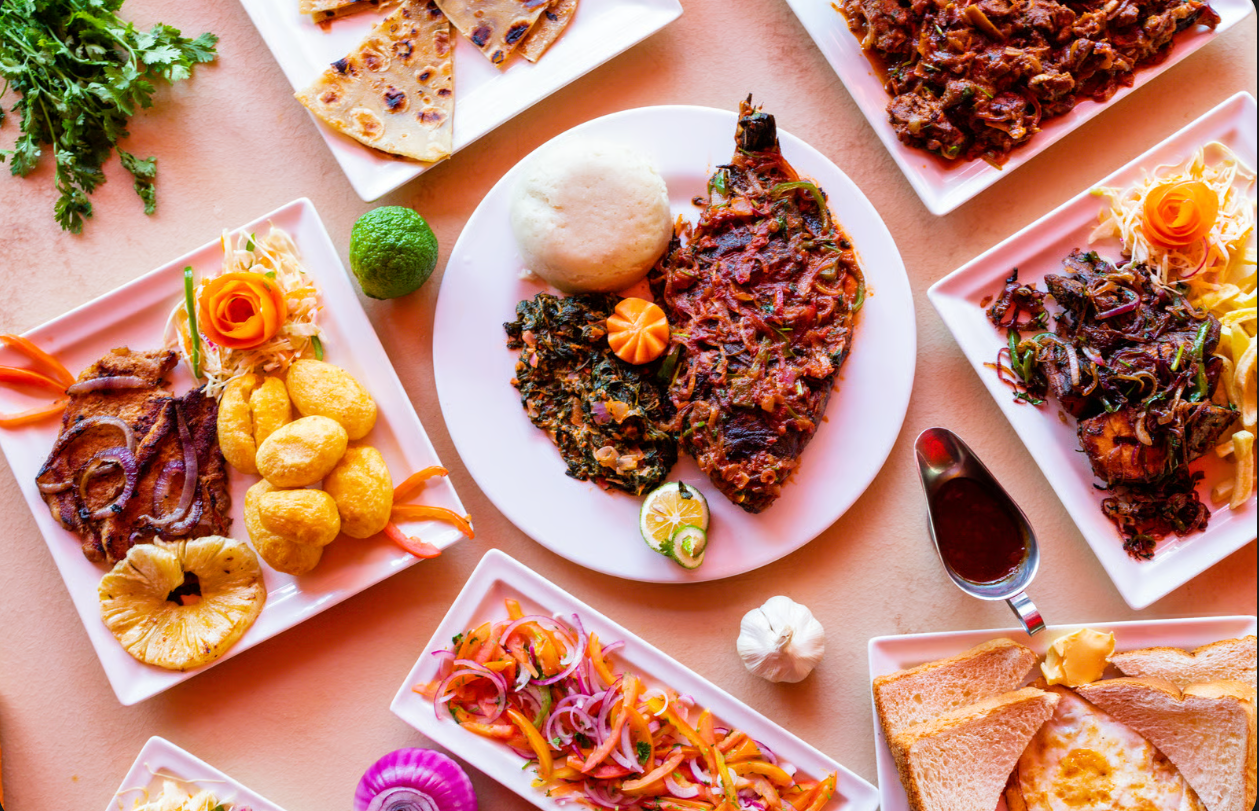
Nairobi Eats Different – Here’s Where the City Takes Its Meals
Nairobi is not just Kenya’s capital city – it is a living, breathing food map where cultures collide...
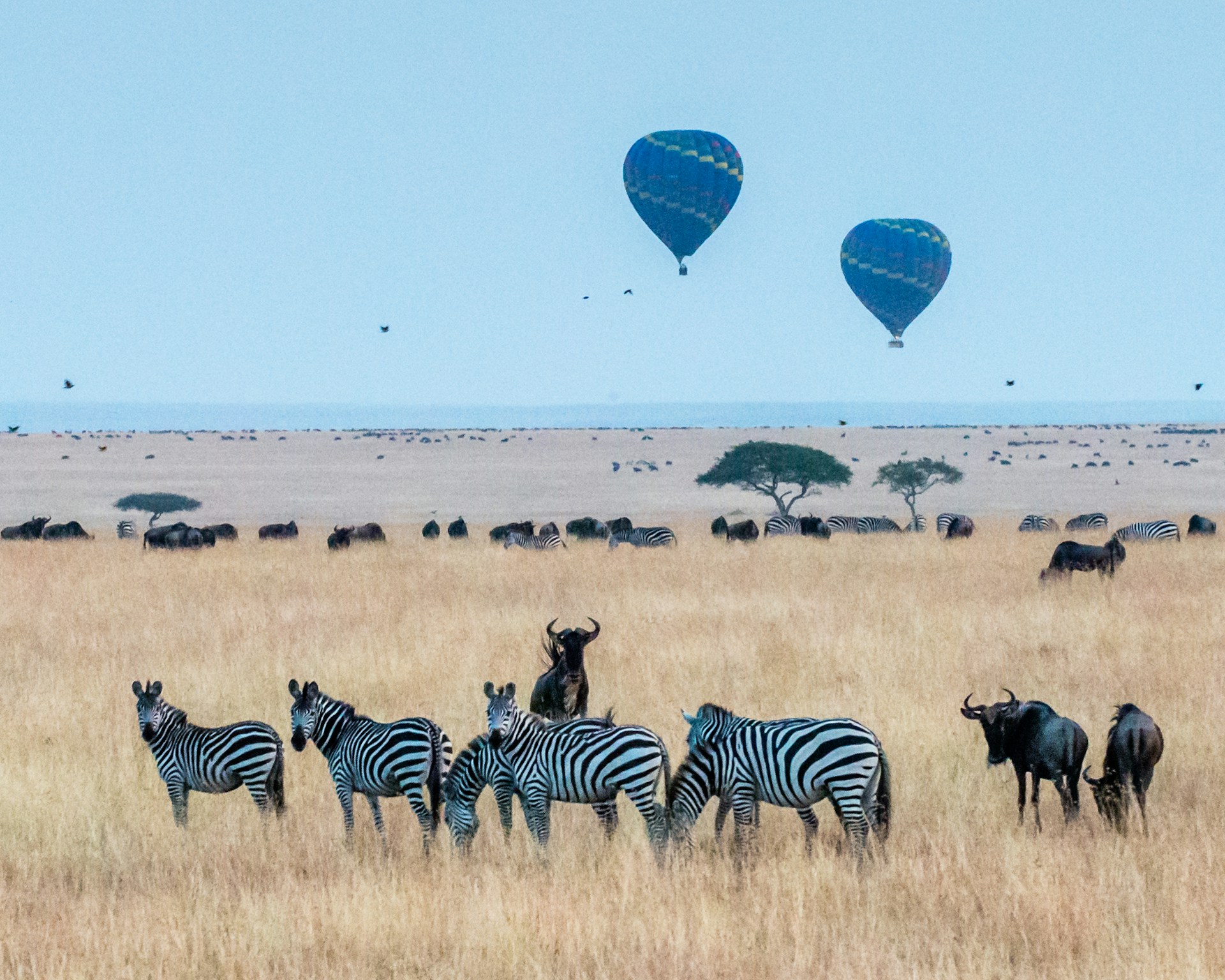
Floating Over the Maasai Mara at Dawn Is Exactly What It Sounds Like
It’s 4:30 in the morning. Your guide knocks on your tent canvas with two gentle raps, and you ...