
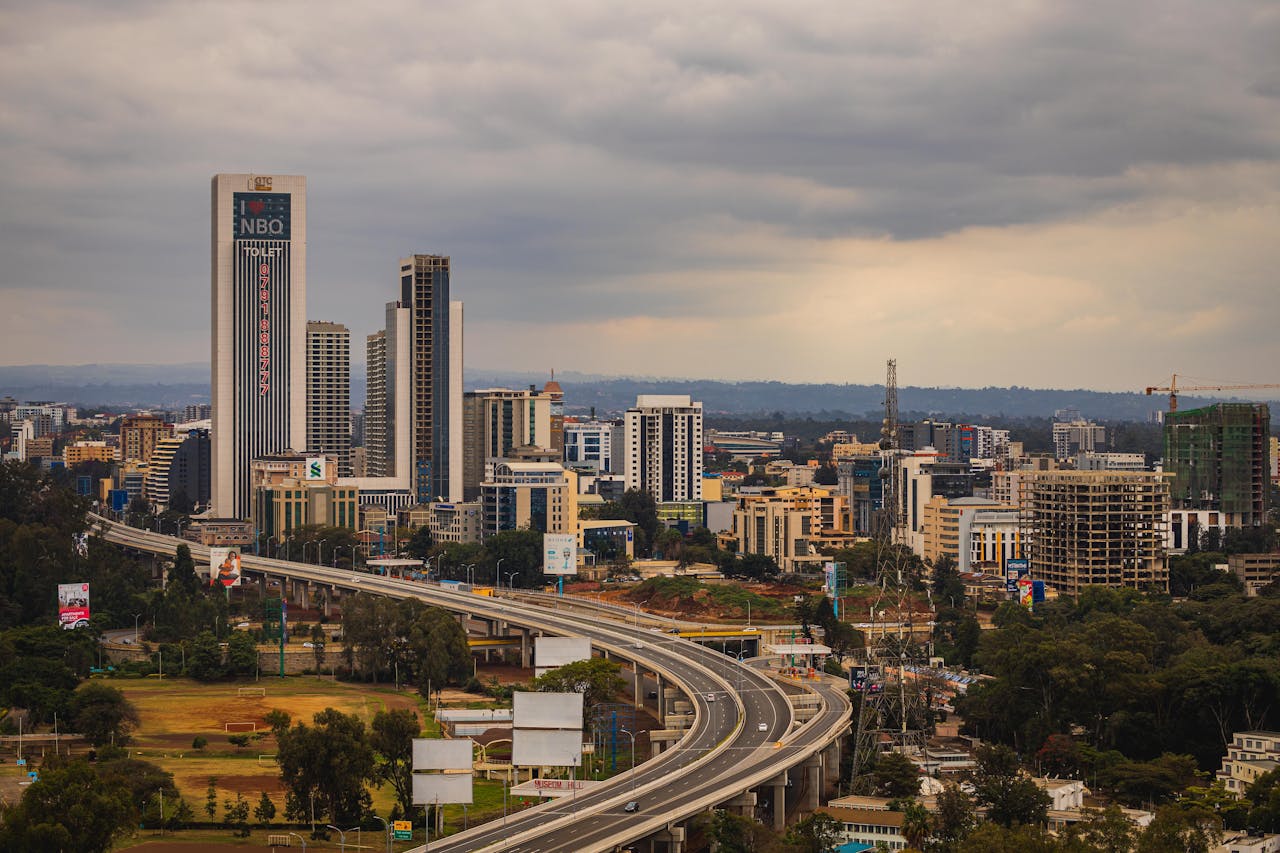
Most people arrive in Nairobi intending to leave it as quickly as possible.
The flight lands at Jomo Kenyatta International Airport, the pre-safari instructions say something about a one-night stop, and by the following morning they’re in a bush plane banking low over the Rift Valley, watching the city disappear behind them. Kenya’s wildlife is the thing. The Maasai Mara is the thing. Nairobi is just the door you walk through to get there.
Here’s what those people miss: one of the most surprising, layered, genuinely interesting cities in Africa. A place where giraffes wander through open country with glass towers rising behind them. Where a coffee estate operates ten minutes from a gridlocked roundabout. On top of that where the best restaurant you’ll eat at in Kenya might be in a garden in Karen, not a bush camp. Where contemporary African art, Swahili cooking, Maasai crafts, and a dining scene that could hold its own in any world city exist side by side in a single afternoon.
Nairobi began, somewhat improbably, as a railway depot. British colonial engineers in 1899 needed a supply station on the Uganda Railway, and they chose a flat patch of Maasai grazing land at an elevation of about 1,660 meters — cool enough to be comfortable, strategically placed between Mombasa and the interior. That depot grew into a settlement, then a colonial capital, then a city of 4.5 million people that is today East Africa’s undisputed economic, political, and cultural engine.
It earns more time than most itineraries give it.
Nairobi’s Neighborhoods: How the City Actually Works
To understand Nairobi, you must first understand its geography. Specifically, this is a city of distinct and strongly differentiated neighborhoods. Indeed, every area offers its own unique atmosphere. Furthermore, each district possesses its own personality. In fact, every neighborhood provides its own specific reason to visit. Consequently, exploring the city feels like visiting several different worlds in one day.
Karen
Named, improbably, after Karen Blixen — the Danish author who farmed here in the early 20th century and immortalized the landscape in Out of Africa — Karen is Nairobi’s most pleasant surprise for visitors expecting a typical African urban experience.
This is leafy, quiet, and spacious in a way that feels almost entirely unlike the city beyond its borders. Wide lanes between mature trees, spacious properties set back from the road, horses grazing in paddocks between boutique lodges and farm-to-table restaurants. Karen is where Nairobi breathes. It’s where you find the Giraffe Centre, the David Sheldrick Wildlife Trust, and the Karen Blixen Museum, three of the city’s most compelling visitor experiences, in the same fifteen-minute radius.
The restaurant scene in Karen is extraordinary — genuinely among the best in the city. Talisman is widely considered one of Nairobi’s top restaurants: a refined, eclectic menu (think sushi rolls, fillet steak, Kenyan-sourced produce, and globally inspired flavors) in a beautiful garden setting that gets the lighting right at every hour. Cultiva Farm Kenya is the farm-to-table ideal done properly — seasonal, organic, gorgeous. If you’re staying two or more nights in Nairobi, spend at least one evening in Karen.
Westlands
Westlands serves as the city’s social nucleus. Specifically, it is packed with international restaurants and craft cocktail bars. Furthermore, you will find live music venues and rooftop terraces throughout the district. In addition, the area hosts the excellent Sarit Centre and Westgate shopping malls.
Consequently, this is where the expat community and young professionals converge after dark. Indeed, international visitors also gather here to enjoy the nightlife. In fact, the energy on a weekend evening feels properly cosmopolitan. Ultimately, this presents a side of Nairobi that you might not expect.
Key Westlands experiences: The Alchemist, a multi-concept outdoor space with food trucks, weekend markets, craft beer, and live music that has become one of the city’s favorite social venues. Brew Bistro, celebrated for its Kenyan craft draught beers and a Sunday brunch that the city has made into something of a tradition. And the consistently excellent Indian food — Westlands has arguably the finest Indian restaurant corridor in East Africa, built over decades by the large Kenyan-Asian community that has made this neighborhood its own.
Kilimani
Kilimani sits between Karen and Westlands in both geography and character — lively, walkable, café-dense, and popular with digital nomads and mid-range visitors who want a local neighborhood feel rather than a hotel-corridor experience. The Nairobi Arboretum — a green urban forest that most visitors never discover — sits at Kilimani’s edge and provides a genuinely peaceful hour of birdwatching and walking in what feels like countryside trapped inside the city.
The CBD and Upper Hill
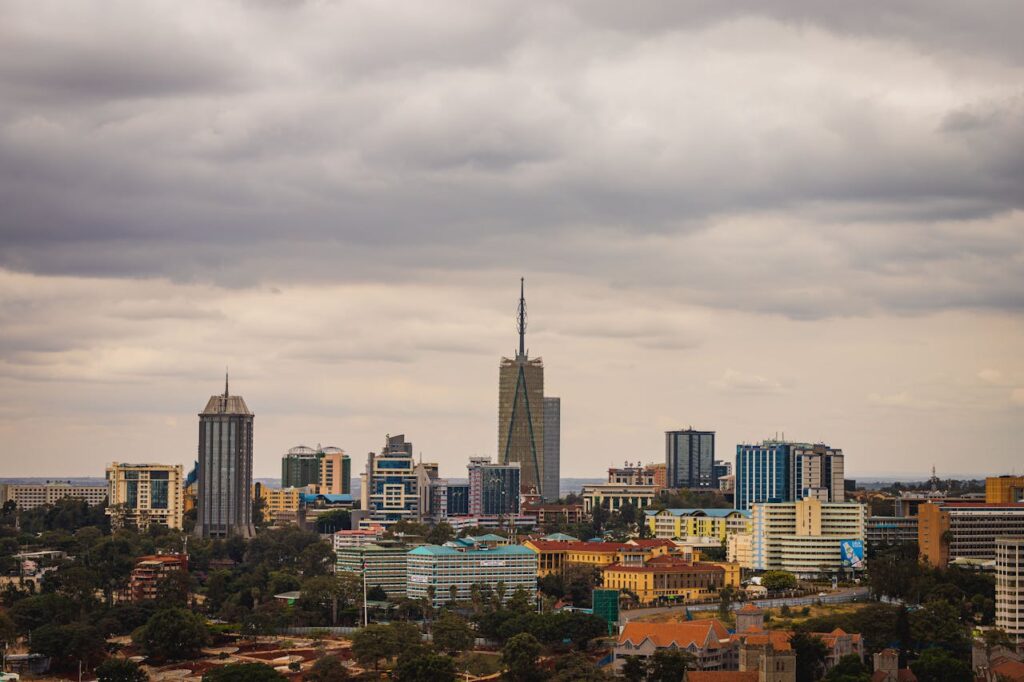
The Central Business District houses the city’s most iconic landmarks. Specifically, you will find government buildings and the historic railway station here. Furthermore, the district contains the Kenya National Archives and the KICC. Notably, the KICC offers a stunning panoramic view from its upper floors.
Meanwhile, Upper Hill rises to the south. Indeed, this area holds the city’s highest concentration of corporate offices. Consequently, many business travelers choose to stay in this district. Additionally, the location remains very convenient for those visiting JKIA. Ultimately, these two hubs define the city’s modern and historic skyline.
Eastlands
The east of the city — including Eastleigh, Kariobingi, and Buruburu — is where Nairobi lives rather than where it performs for visitors. This is real, working Nairobi: markets crammed with fabric, electronics, and food; the Eastleigh commercial district that has grown into one of East Africa’s most significant wholesale trading zones (largely driven by the Somali diaspora community); the extraordinary matatu culture, with its impossibly decorated minibuses blasting music through Nairobi’s eastern streets. Explore Eastlands with a local guide who knows it — this is not the Nairobi of luxury hotels and giraffe selfies, and it is all the more interesting for it.
The Wildlife: Nairobi’s Most Unreasonable Attraction
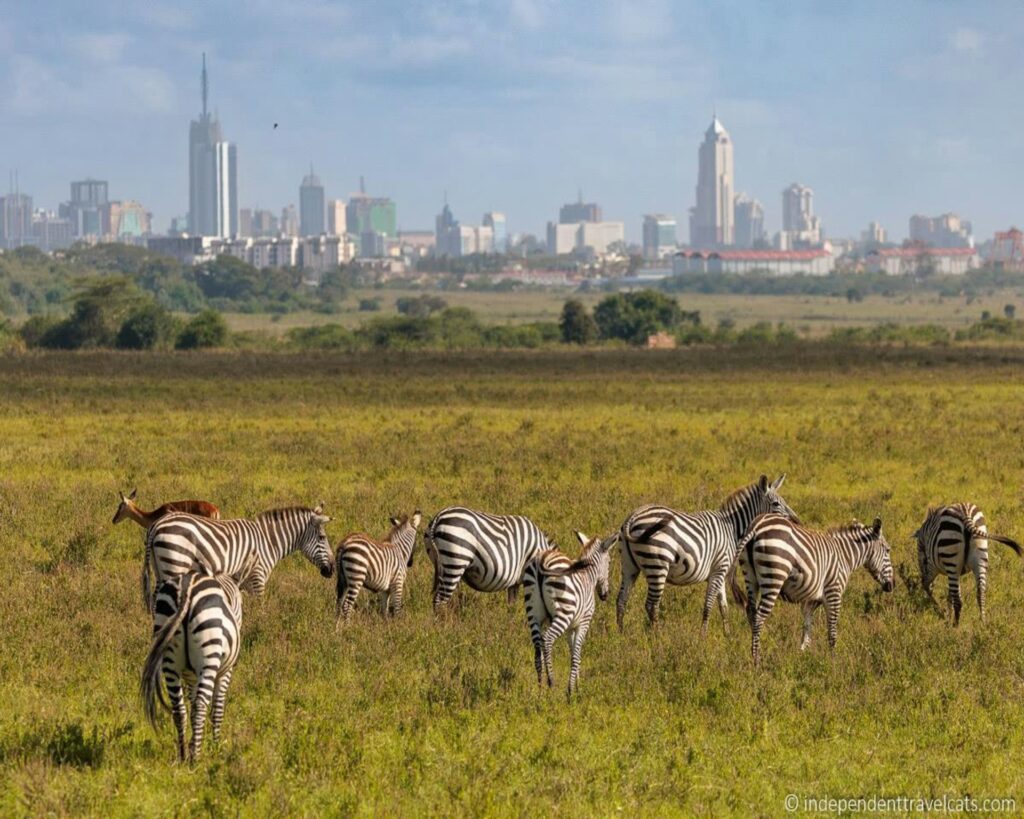
The single most implausible thing about Nairobi, repeated so often it loses none of its impact: there is a national park on the southern edge of the city where you can watch lions, rhinos, leopards, and giraffes against a backdrop of skyscrapers.
Nairobi National Park covers 117 square kilometers. Specifically, the Kenya Wildlife Service manages this unique space. Notably, it remains the world’s only national park within a capital city boundary. Indeed, the wildlife here is genuinely wild. For instance, these animals are not fenced from predators or kept in a zoo.
Consequently, lions make kills here. Meanwhile, rhinos roam freely across the plains. Furthermore, the Ivory Burning Site Monument stands within the park. Historically, the government burned confiscated ivory here in 1989. Ultimately, this act sent a powerful signal of zero-tolerance to the world.
A morning game drive in Nairobi National Park — leaving your hotel at 6:00 AM, entering the park gates by 6:30, and spending three hours in actual savannah wilderness before returning to the city by 10:00 — is one of the strangest and most satisfying experiences in African travel. The juxtaposition never fully resolves itself, and that’s what makes it extraordinary.
The park is best visited early morning and late afternoon. Entry fees are paid via the eCitizen KWS platform.
The David Sheldrick Wildlife Trust (Sheldrick Wildlife Trust)
The Sheldrick Trust is one of the most moving wildlife experiences in Nairobi, and for many visitors, one of the most moving experiences of their entire trip. The Trust rescues and rehabilitates orphaned baby elephants — calves that have lost their mothers to poaching, drought, or human-wildlife conflict — with the goal of eventually releasing them back into the wild.
The visiting window (currently 11:00 AM to 12:00 PM for general visits, with afternoon private visits available through the Foster Parent programme) puts you within a few meters of baby elephants being bottle-fed, mud-bathing, and playing with each other. The keepers, who live with the elephants 24 hours a day in the early years of their lives, explain each animal’s story. It is, without qualification, the most likely thing in Nairobi to make a grown adult cry. Book in advance.
The African Fund for Endangered Wildlife — Giraffe Centre
The Giraffe Centre is just what it says: a breeding and conservation center for the endangered Rothschild’s giraffe (also known as the Nubian giraffe), one of the world’s rarest giraffe subspecies. You feed them from a raised platform at eye level. They take food from your hand, from your lips if you’re willing, with enormous pink tongues and absolute indifference to your amazement at their existence. It is chaotic and wonderful and deeply silly and completely unforgettable.
The centre also runs educational programmes that have made a significant contribution to Rothschild’s giraffe conservation, and the population within the center regularly produces calves that are released to bolster populations in other Kenyan parks.
The Cultural Layer: Museums, Markets, and Living Tradition
The Nairobi National Museum
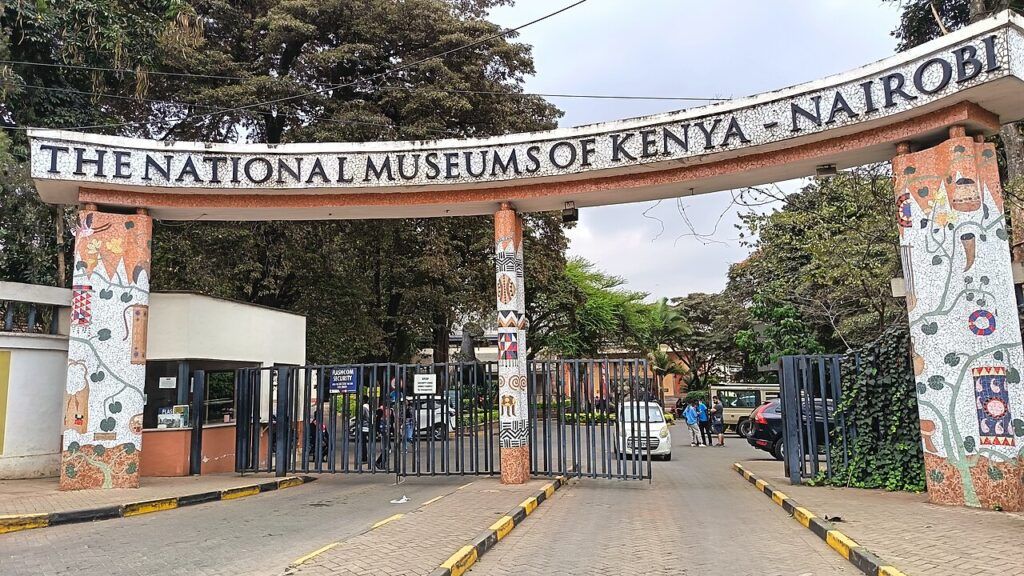
The National Museum sits near the CBD on Museum Hill and is one of the finest natural history and cultural museums in East Africa. Its collections cover archaeology (including Rift Valley hominid fossils and the Lucy family of discoveries), ethnography from Kenya’s 42+ ethnic groups, contemporary art, and natural history. The adjacent Snake Park is a particular hit with children. Budget two to three hours.
The Karen Blixen Museum
The farmhouse that served as Karen Blixen’s home during her years in Kenya (1914–1931) has been preserved and opened as a museum. The setting — on the slopes of the Ngong Hills, with the forested ridgeline behind it — is exactly as evocative as the novel and subsequent film suggested. The museum traces her life in Kenya, her farming attempts, her relationship with Denys Finch Hatton, and the broader colonial-era history of this part of the country. Whether you’ve read Out of Africa or not, this is a fascinating and well-presented window into a complex chapter of Kenyan history.
Bomas of Kenya
Located in Langata (near Karen), the Bomas of Kenya is an open-air cultural center showcasing traditional homesteads, crafts, and performances from Kenya’s diverse ethnic groups. The performances — which include traditional dances, acrobatics, and music from different communities — are genuinely spectacular rather than merely tourist-facing. It is an explicitly performative space, but the quality of the cultural documentation and the skill of the performers makes it one of the most engaging cultural experiences in the city.
Kazuri Beads
Kazuri (meaning “small and beautiful” in Swahili) is a social enterprise near Karen that has been making handcrafted ceramic beads since 1975. It now employs over 300 single mothers, most of whom are the primary earners for their families. The factory is open for tours where you can watch the entire production process — clay mixing, bead shaping, firing, glazing, and stringing — and purchase finished jewelry directly. This is one of the most honest and enjoyable shopping experiences in Nairobi, and the products are genuinely beautiful.
The Maasai Market
Rotates between various upscale Nairobi venues on different days of the week (Village Market on Fridays is one of the best-attended), the Maasai Market is where Nairobi’s craft trade comes to life. Hundreds of vendors sell jewelry, textiles, carvings, bags, home goods, and the full spectrum of Kenyan artisanal work. Prices are negotiable — this is a market, not a boutique — and the atmosphere is vibrant in a way that sanitized craft shops simply cannot replicate. Budget time and energy; this is not a quick browse.
Eating and Drinking in Nairobi: The Full Picture
Nairobi’s food scene is one of the city’s best-kept secrets internationally, and it would be an enormous mistake to spend your Nairobi nights eating at your hotel.
What Kenyan Food Actually Tastes Like
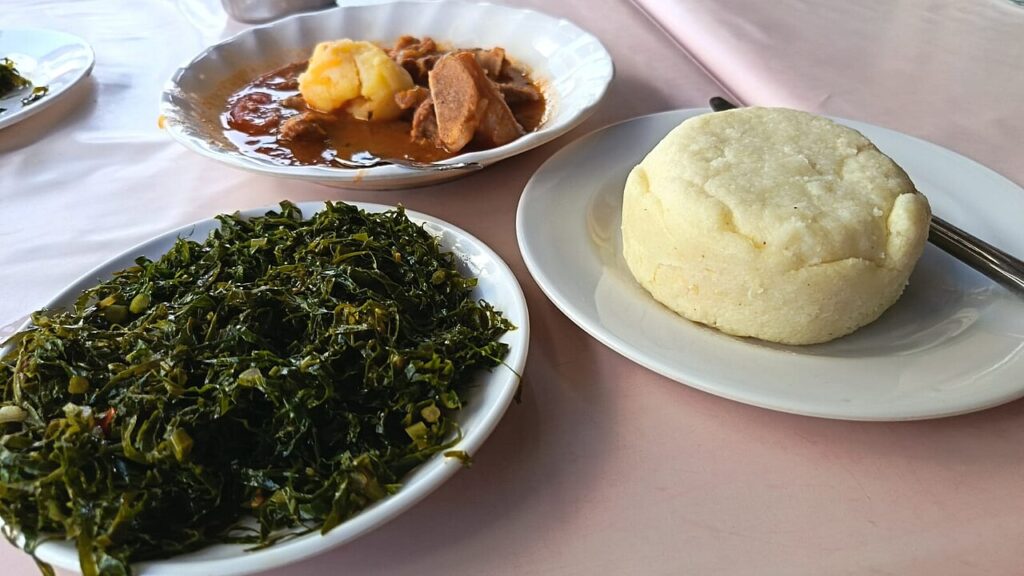
Start here, because the baseline matters. Kenyan cuisine proper — ugali (a thick, neutral maize meal that functions as a starch base for everything else), sukuma wiki (braised collard greens, an everyday staple), nyama choma (slow-grilled meat, typically goat or beef, usually served unsauced at a side table with friends and cold Tusker lager), githeri (maize and beans), mandazi (sweet fried dough), and chai (Kenyan tea, brewed with milk and spices from the start) — is honest, unpretentious, and deeply satisfying food built for a working life rather than a restaurant review.
Nyama Mama in Westlands is the best introduction to upscale Kenyan food — the menu is a creative reimagining of classics, beautifully plated, served in a warm, buzzy space. Mama Oliech in Kilimani is the institution: no-nonsense whole fried tilapia served the way it’s been served for decades, with rice, kachumbari, and a level of collective local devotion that tells you everything you need to know.
For Fine Dining
Talisman in Karen remains the benchmark — consistently voted one of the best restaurants in Nairobi across every survey that exists. Lucca at the Villa Rosa Kempinski is where the Italian food gets serious (small portions, extraordinary flavor). The rooftop experience at Sarabi Rooftop Lounge at the Sankara Hotel provides panoramic sundowners with the city spread below.
For a Different Kind of Evening
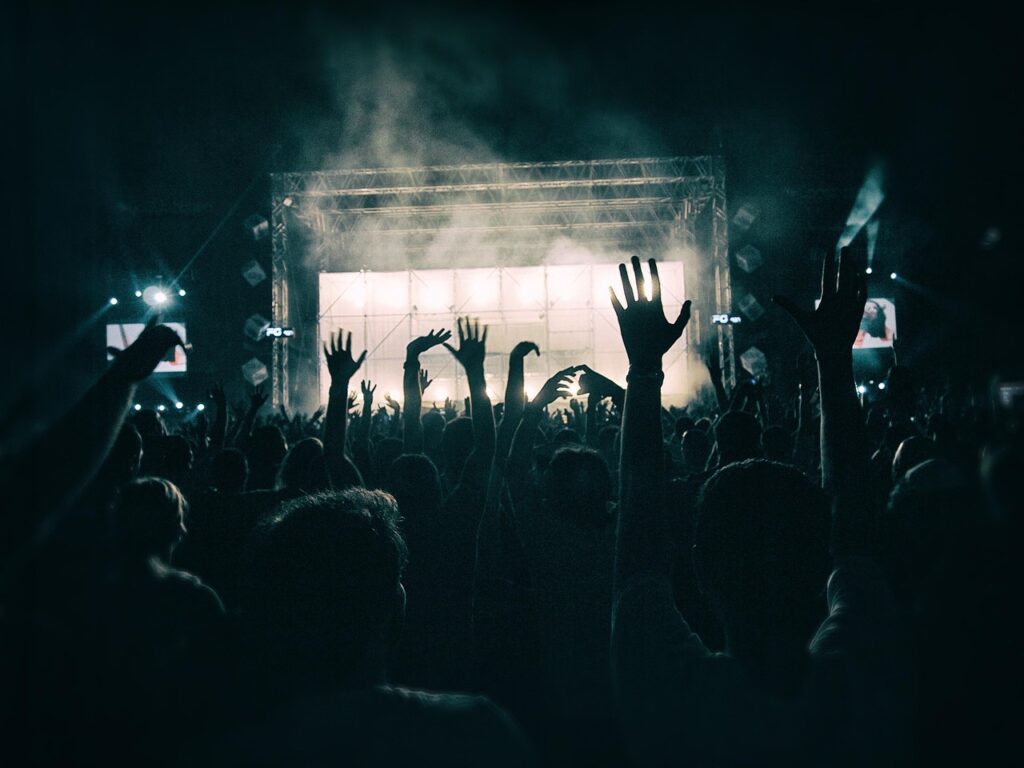
The Alchemist in Westlands is the outdoor social experiment that Nairobi needed — food trucks, craft beer, resident DJs, occasional weekend markets, and the kind of mixed, cheerful, unsnobby crowd that suggests the city is doing something right.
Nairobi Street Kitchen on Mpaka Road offers a trendy food-hall format with diverse cuisines, live events, and a reliable cross-section of what the city eats and drinks.
Java House is the city’s most beloved coffee chain — not because it’s the most exciting coffee option, but because it’s reliably excellent, always comfortable, and has become part of how Nairobi thinks about itself. Every neighborhood has one. Any of them work.
Green Nairobi: Nature Within the City
Karura Forest
The most important urban forest in Nairobi, and one of the largest urban forests in Africa. Karura Forest covers about 1,000 hectares on the city’s northern edge and is managed by Kenya Forest Service. It has a network of walking and cycling trails, a waterfall (complete with natural swimming pool that locals have claimed firmly for themselves), cave networks, picnic spots, and extraordinary birdwatching.
Karura is the place Nairobi residents go to remember that their city is built in a landscape that was once continuous forest — and the reason it still exists, after decades of pressure from construction and encroachment, is a conservation battle worth reading about.
The Ngong Hills
A 45-minute drive from the city center, the Ngong Hills form the western edge of Nairobi’s urban area and mark the beginning of the Rift Valley descent. The hills are hikeable — the main trail follows the escarpment ridge between the four summits, offering extraordinary views in both directions: back toward Nairobi on a clear morning, and west toward the Rift Valley floor far below. Kenya Wildlife Service manages the trail and provides ranger escorts for safety.
The Arts Scene: Nairobi’s Creative Renaissance
Something has shifted in Nairobi’s creative community over the past decade, and visitors who pay attention will find it everywhere.
The city has developed a genuinely vibrant contemporary art scene that engages with African identity, post-colonial history, and the pressures of rapid urbanization in ways that are more interesting than almost any Western gallery equivalent. The Nairobi National Museum’s rotating contemporary exhibitions — alongside its permanent ethnographic collections — are a good starting point. The Nairobi Gallery in the CBD regularly showcases Kenyan and East African artists in a former colonial building that has aged gracefully into cultural purpose.
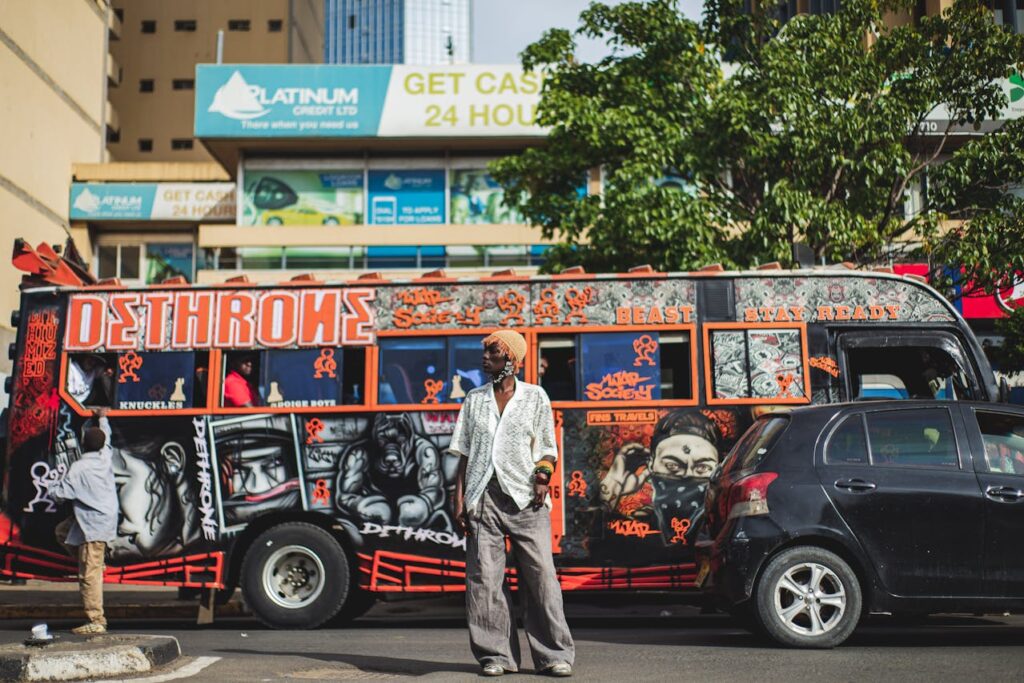
Beyond the formal gallery circuit, Nairobi’s art is on its matatus. The city’s minibuses are internationally recognized as moving canvases — covered in intricate, technically skilled paintings of celebrities, politicians, musicians, footballers, and abstract patterns, each bus a statement of identity and artistic ambition. The matatu as art form has been written about, photographed, and exhibited internationally. Simply walking through busy Nairobi streets and watching them pass is a legitimate cultural experience.
The African Heritage House, set on the edge of Nairobi National Park in Langata, is something unique: a private collection of over 6,000 traditional African artefacts from 39 countries, assembled over decades by the late Alan Donovan, displayed in an extraordinary building that feels like a living archive. Tours of the house are available — this is not a mainstream tourist attraction, and finding it requires a little intention, but the experience rewards that effort considerably.
Shopping in Nairobi: Beyond the Maasai Market
The Maasai Market gets all the attention — deservedly, for craft shopping. But Nairobi’s retail landscape has become considerably more interesting than the standard tourist gift circuit.
Kazuri Beads (covered above under Cultural Layer) is the most meaningful place to spend money on handmade jewellery — both because the products are exceptional and because the economic impact is transparent and direct.
Utambuzi Arts & Crafts in Westlands and various pop-up craft fairs in Karen and Kilimani offer contemporary Kenyan design that moves beyond the curio-shop aesthetic. Young Kenyan designers are working with traditional textile techniques, Kikoy fabric, and Maasai beadwork to produce clothing and homewares that are genuinely stylish and specifically Kenyan.
Sarit Centre and The Junction are Nairobi’s most pleasant malls for practical shopping — well stocked, air-conditioned, and containing international brands alongside Kenyan retailers and good food courts. For books about Kenya (the literature is extraordinary — from Karen Blixen through Ngugi wa Thiong’o to contemporary writers like Yvonne Adhiambo Owuor), Prestige Bookshop in the Westlands area is worth finding.
Day Trips from Nairobi
Lake Naivasha and Hell’s Gate National Park

About 90 minutes northwest, Lake Naivasha and Hell’s Gate (where you cycle among zebras and giraffes, and hike gorges that inspired Disney’s The Lion King) form the ideal one-day Rift Valley escape. Leave at 6:00 AM, be on a bicycle inside Hell’s Gate by 9:00, boat on the lake by 2:00 PM, and back in Nairobi for dinner.
Amboseli National Park (Extended Day Trip or Overnight)
About 240 kilometers southeast, Amboseli is technically too far for a standard day trip — but those with a single full day and an early start have done it as a long day. Better as one or two nights: the drive itself is scenic, the road is good, and the park rewards a proper stay.
How Long Do You Need in Nairobi?
The honest answer: two nights minimum, three ideally.
One night is enough to recover from international travel and tick the Sheldrick Trust or the Giraffe Centre. Two nights allows you to add Nairobi National Park in the morning, a proper lunch in Karen, the Karen Blixen Museum in the afternoon, and dinner at Talisman. Three nights opens the Maasai Market, Karura Forest, Bomas of Kenya, and a proper evening at the Alchemist.
Beyond three nights, you’re into the territory of a proper Nairobi-centric city break — which increasingly makes sense, because Nairobi in 2026 is a city that can hold attention and reward curiosity for considerably longer than the standard itinerary ever gives it.
How to Get Around
Uber and Bolt are the standard tools for tourist transport in Nairobi and work very well. Always book in-app, confirm your driver’s name and vehicle registration before entering, and share your trip with someone. Fares are reasonable.
Do not walk in central Nairobi at night. This is not overcautious advice — it is how Nairobi residents themselves behave, and it is correct.
The Nairobi Expressway has transformed travel between JKIA and the city center, bypassing the old airport road and reducing a journey that used to take up to 90 minutes in traffic to a reliable 20–30 minutes.
Where to Stay in Nairobi
Karen and Langata for anyone prioritizing proximity to the Giraffe Centre, Sheldrick Trust, and the best restaurants. The Emakoko (on the border of Nairobi National Park) offers one of the most unusual hotel positions in any city on earth. Giraffe Manor is the famous boutique hotel where the resident Rothschild’s giraffes extend their heads through the windows at breakfast — but it books up months in advance and comes at a significant premium.
Westlands for proximity to nightlife and the city’s social scene. Upper Hill for JKIA convenience and business travel.
Stay two nights. Walk slowly. Eat in Karen. Wake up early and drive into the park before the city is awake. Come back to this city the way all good travelers treat cities that deserve them: with curiosity, with patience, and with the willingness to stay long enough for it to surprise you.
Because it will.
Planning your Nairobi stopover — or thinking about building it into a real city break? Enquire about Kenya’s itinerary here and make sure Nairobi gets the time it deserves.
Related Articles

Kit Mikayi and the Crying Stone: Why Kenya’s Sacred West Deserves Your Attention
There is a rock formation about 30 kilometers west of Kisumu that has been pulling people toward it ...
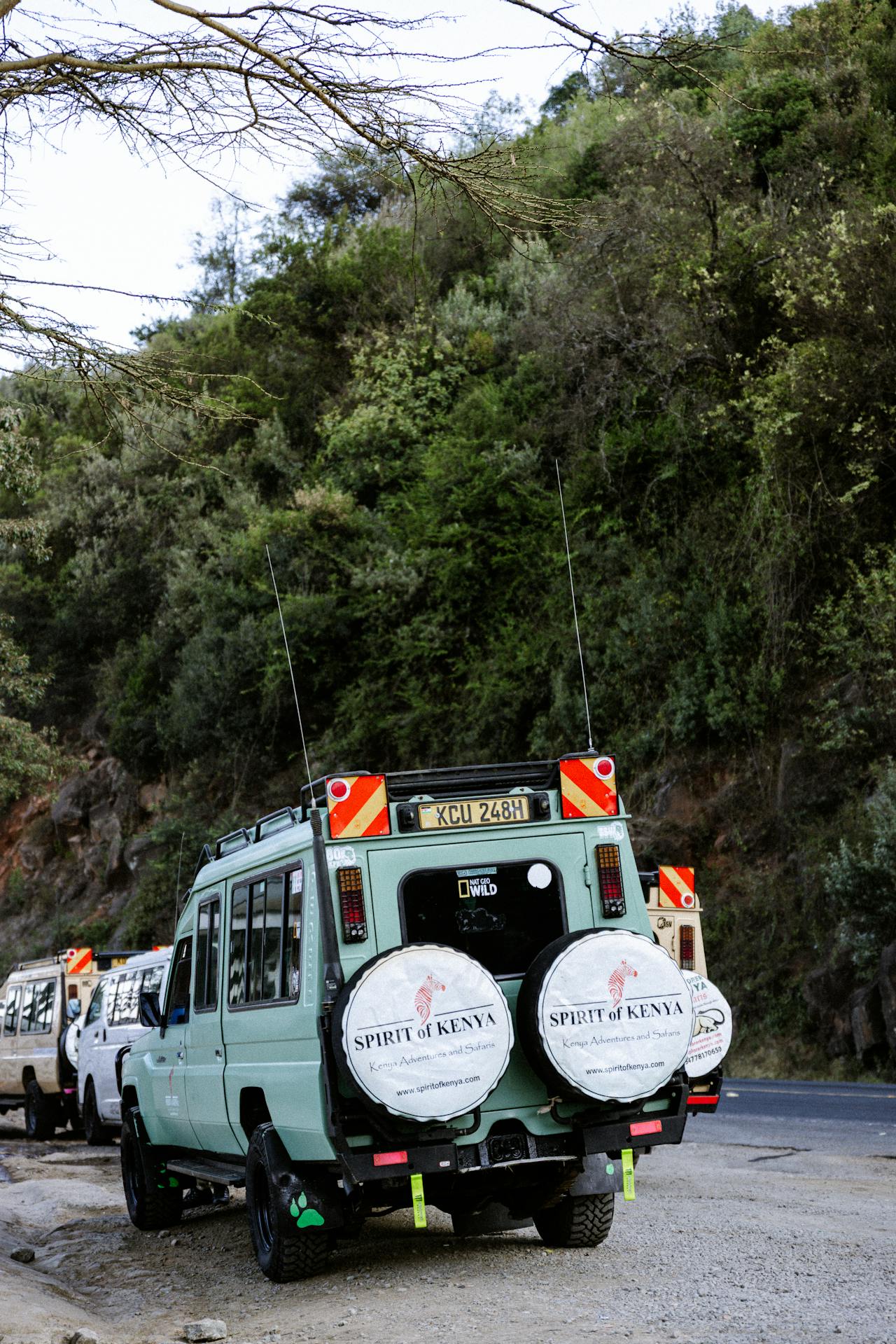
Before You Book Kenya, Read This First
Here’s the thing about Kenya: people book it wrong all the time. Not the safari itself — the e...
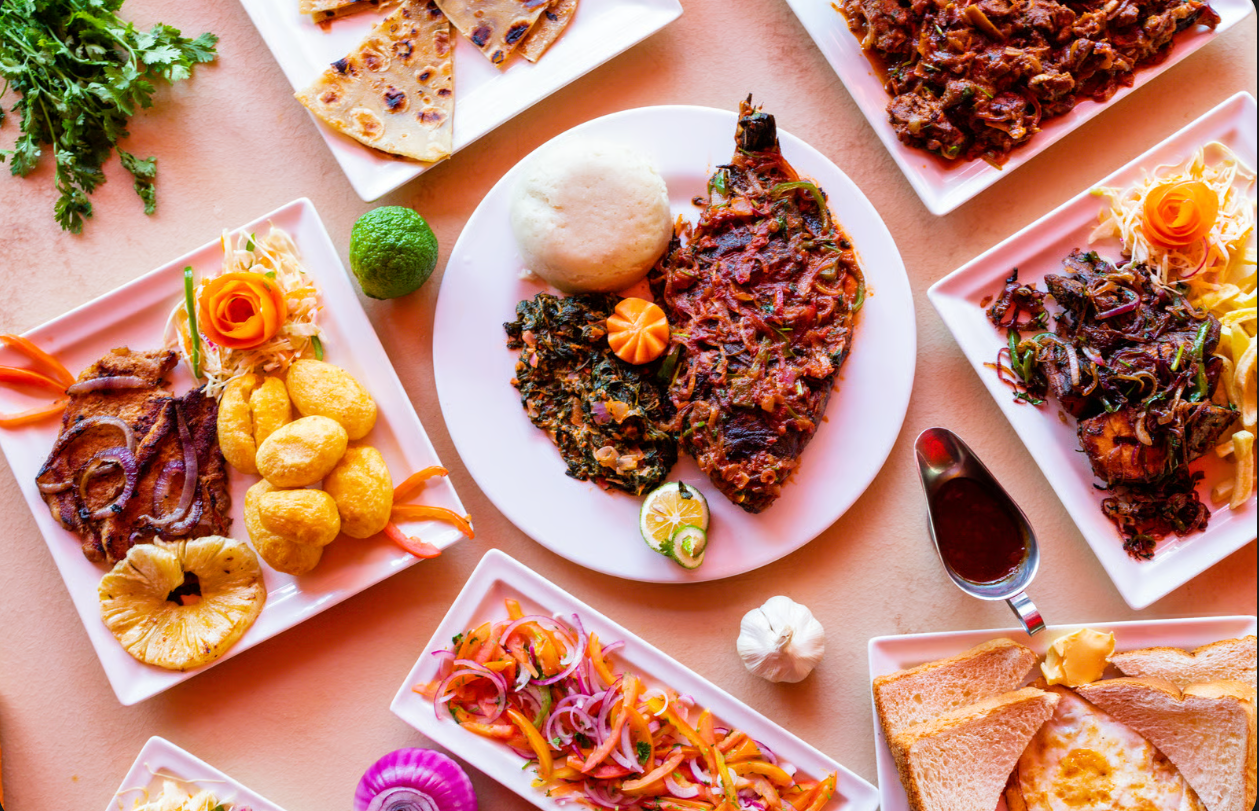
Nairobi Eats Different – Here’s Where the City Takes Its Meals
Nairobi is not just Kenya’s capital city – it is a living, breathing food map where cultures collide...
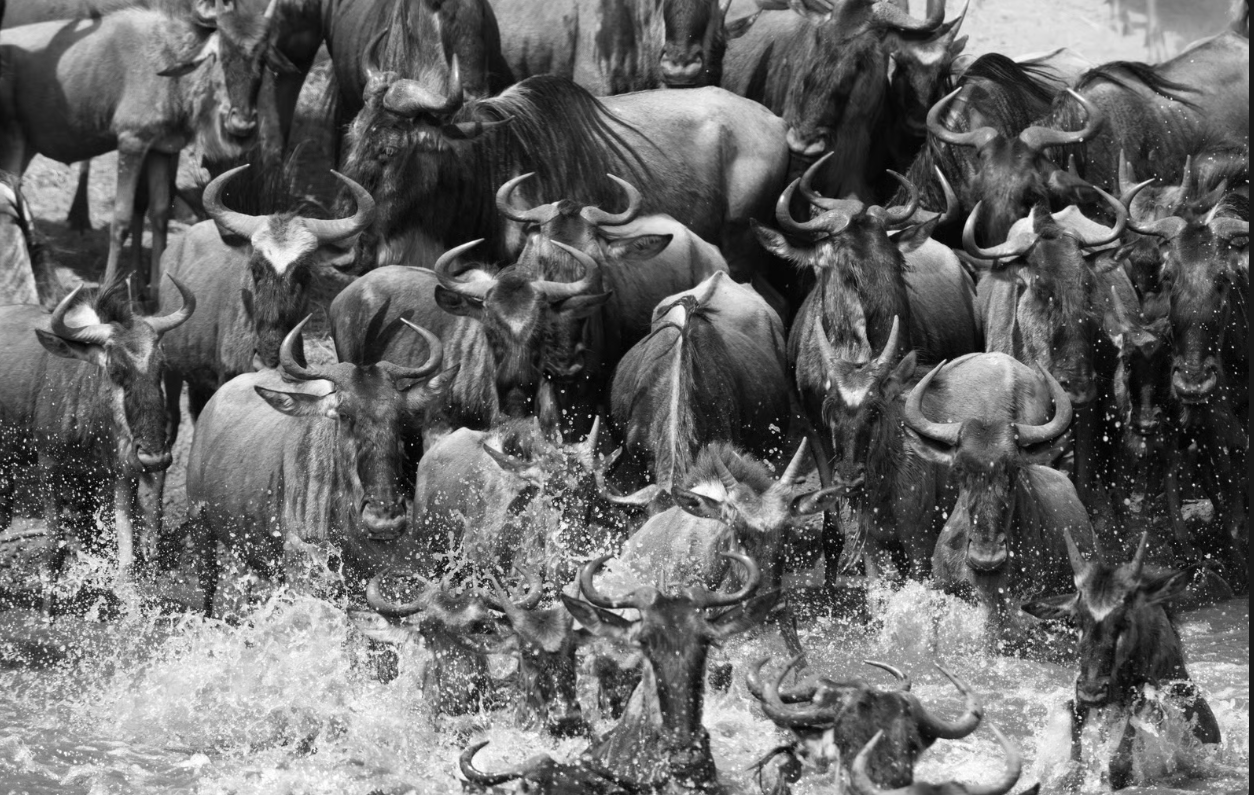
Wildebeest Migration: Why It Doesn’t Wait for No One
Every year, without a calendar, without a forecast, and without a single human cue, over 1.5 million...