
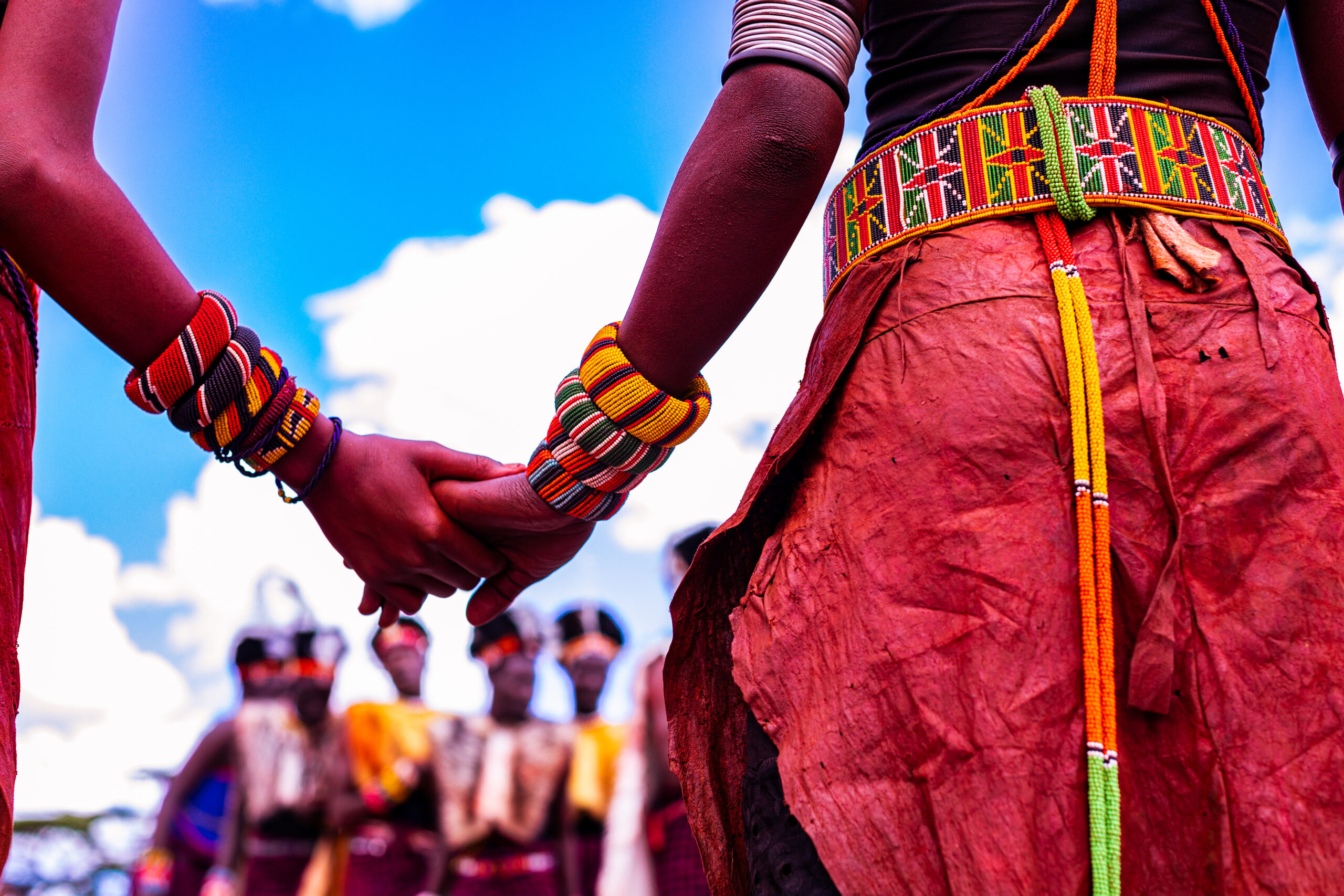
If you’re planning a trip to Kenya or Tanzania, chances are you’ve already seen images of the Maasai – tall warriors draped in vibrant red shukas, standing proudly against the backdrop of vast savannahs. The Maasai are one of East Africa’s most iconic communities, and visiting a Maasai village is often high on many travelers’ bucket lists.
But beyond the photos and cultural tours lies a deeper story, one that many visitors don’t fully understand before they arrive.
So, what do the Maasai actually want you to know before you visit? This guide breaks it down in a simple, honest, and engaging way, helping you travel respectfully while gaining a richer, more meaningful experience.
1. The Maasai Are Not a Tourist Attraction
One of the most important things to understand is that the Maasai are a living, evolving community – not a performance.
While many villages welcome visitors, these experiences are often arranged as part of cultural tourism. This means that yes, there may be traditional dances, beadwork displays, and storytelling—but these are not staged for entertainment alone. They are part of a culture that people live every day.
What they want you to know:
They are sharing a part of their identity with you. Respect that. Avoid treating the visit like a “show” or a spectacle.
2. Always Ask Before Taking Photos
It’s easy to get excited when you see the striking beauty of Maasai attire and traditions. However, taking photos without permission is one of the most common mistakes visitors make.
For the Maasai, photography is not just about capturing an image – it’s about consent and respect.
What they want you to know:
Always ask before taking photos. In some cases, you may be asked to pay a small fee, which helps support the community. Don’t assume – it’s better to ask and build trust.
3. Their Culture Is Deeply Rooted in Tradition
The Maasai have preserved many of their traditions for centuries, including their language (Maa), clothing, ceremonies, and social structure.
For example:
- Livestock, especially cattle, play a central role in their way of life.
- Age-set systems define roles and responsibilities within the community.
- Ceremonies mark important life stages such as coming of age and marriage.
What they want you to know:
These traditions are not outdated, they are meaningful and intentional. Avoid making comparisons or judgments based on modern urban lifestyles.
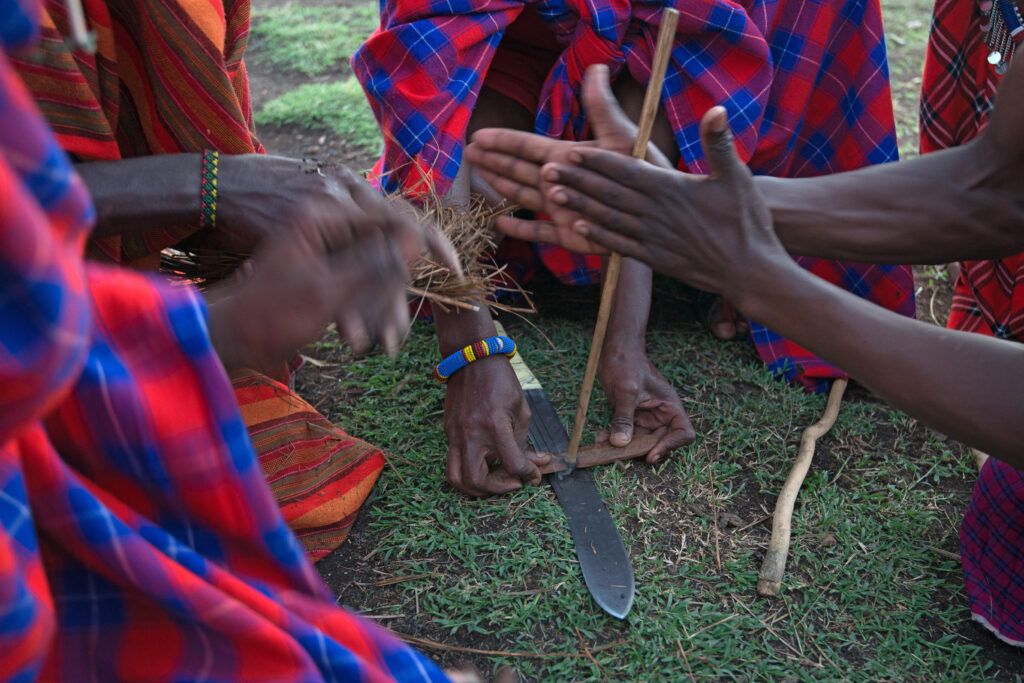
4. Not All Maasai Live the Same Way
There’s a common misconception that all Maasai live in remote villages and follow the same traditional lifestyle. In reality, the Maasai community is diverse.
Some live traditionally in rural areas, while others:
- Attend universities
- Work in cities
- Run businesses
- Advocate for community rights
What they want you to know:
Don’t stereotype. The Maasai, like any other community, are adapting to modern life in different ways.
5. Cultural Visits Support Communities
Many Maasai villages offer cultural tours, and the fees you pay can directly support families, education, and local development.
However, not all experiences are created equal.
What they want you to know:
Choose ethical and community-led tours whenever possible. Look for:
- Transparent pricing
- Fair distribution of income
- Genuine interaction (not rushed visits)
This ensures your visit has a positive impact.
6. Dress Respectfully
While there is no strict dress code for visitors, modest clothing is appreciated, especially in more traditional settings.
You don’t need to wear Maasai attire unless it’s offered as part of the experience, but avoid overly revealing clothing.
What they want you to know:
Respect their environment the same way you would in any cultural or religious setting.
Find Travel Agents in Kenya here
7. Bargaining Should Be Respectful
Maasai beadwork is world-famous; colorful, intricate, and handmade. You’ll likely have the opportunity to purchase jewelry, crafts, or souvenirs.
While bargaining is common in many parts of East Africa, it should be done respectfully.
What they want you to know:
These items are often a key source of income. Don’t undervalue the work. If you like something and can afford it, pay a fair price.
8. Learn Before You Go
A little research goes a long way in making your visit more meaningful.
Understanding basic facts about Maasai culture – such as their history, beliefs, and way of life can help you:
- Ask better questions
- Engage more respectfully
- Appreciate what you’re seeing
What they want you to know:
Effort matters. When visitors show genuine interest, it creates a better experience for everyone.
9. Don’t Assume Poverty Equals Unhappiness
Some visitors view traditional Maasai villages through a lens of poverty, focusing only on what’s “missing” compared to modern lifestyles.
But this perspective can be misleading.
What they want you to know:
Happiness, success, and fulfillment look different across cultures. The Maasai value community, livestock, tradition, and identity – things that may not fit into a Western definition of wealth.
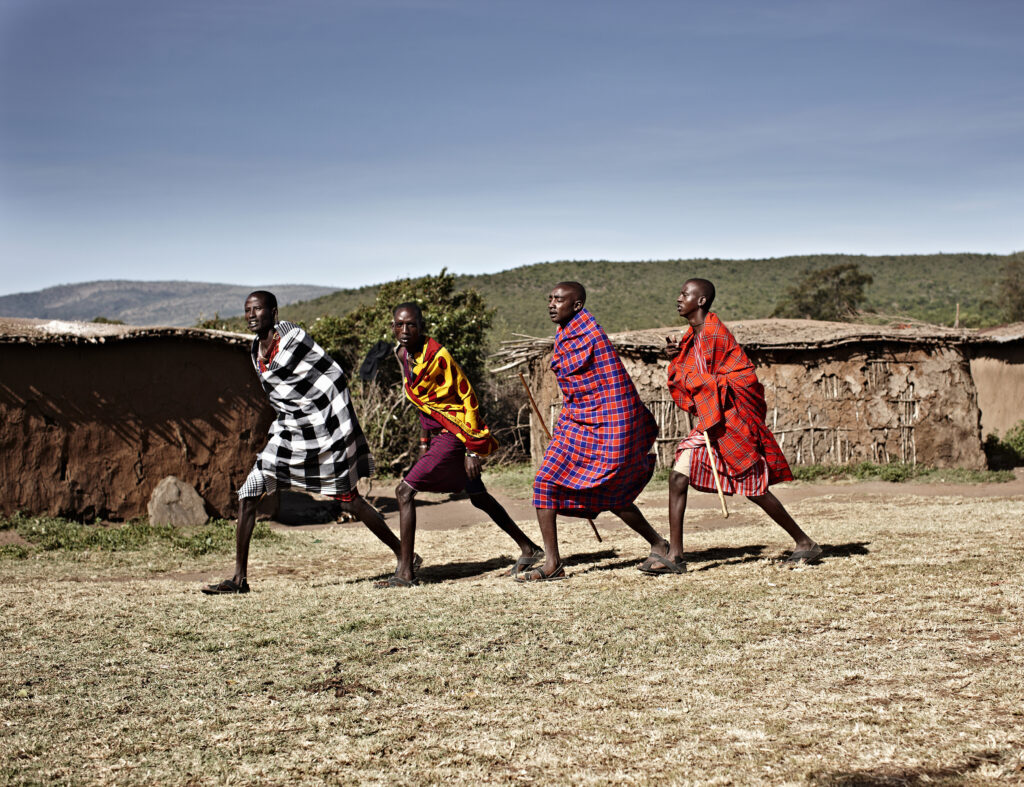
10. Be Open to Listening, Not Just Observing
One of the most rewarding parts of visiting a Maasai community is the opportunity to hear stories directly from the people themselves.
Whether it’s about:
- Their daily routines
- Cultural beliefs
- Challenges they face today
- How they are preserving their heritage
What they want you to know:
Don’t just watch – listen. Ask respectful questions and be open to learning.
11. Understand the Challenges They Face
Like many indigenous communities, the Maasai face modern challenges such as:
- Land rights issues
- Climate change affecting livestock
- Access to education and healthcare
- Balancing tradition with modernization
What they want you to know:
Your visit can be more than just tourism, it can be an opportunity to support awareness and positive change.
12. Your Visit Leaves an Impact
Whether you realize it or not, your behavior as a visitor influences how communities experience tourism.
Positive impact:
- Respectful interaction
- Supporting local businesses
- Cultural appreciation
Negative impact:
- Disrespectful behavior
- Exploitative photography
- Treating visits as entertainment only
What they want you to know:
Be a responsible traveler. The way you show up matters.
Final Thoughts: Travel With Respect and Curiosity
Visiting a Maasai community can be one of the most memorable experiences of your trip to East Africa. But the difference between a superficial visit and a meaningful one lies in how you approach it.
The Maasai are not asking for perfection – they’re asking for respect, curiosity, and understanding.
So before you go:
- Be mindful
- Be respectful
- Be open to learning
And most importantly, remember that you are stepping into someone else’s world.
When you approach it with the right mindset, you’ll not just visit – but also connect.
Related Articles
Is Kenya Safe? An Honest Conversation From People Who Live and Work in Nairobi
If you’ve searched “Is Kenya safe?” you’re not alone. It’s one of the most common questions traveler...
Before You Book Kenya, Read This First
Here’s the thing about Kenya: people book it wrong all the time. Not the safari itself — the e...
Nairobi Is Not a Stopover. It Is the Destination.
Most people arrive in Nairobi intending to leave it as quickly as possible. The flight lands at Jomo...
One Day Out of Nairobi Changes Everything: Here’s Where to Go
Life in Nairobi moves fast. Between traffic, deadlines, and the constant buzz of city life, it’s eas...