
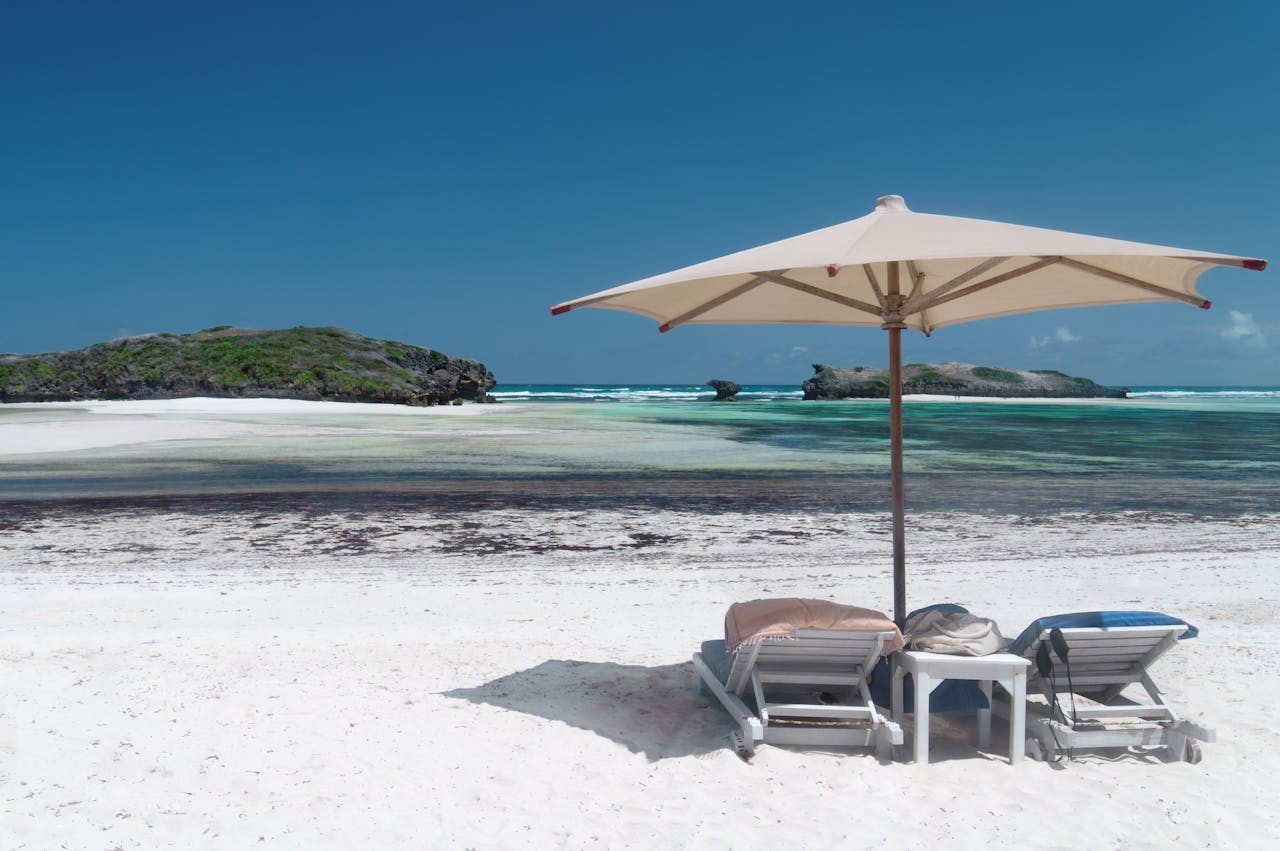
There are coastal towns in Kenya that everyone knows about. Diani, with its global reputation and long-running World Travel Award wins. Mombasa, ancient and teeming, the anchor of the entire coast. Lamu, for those who want the romance of the old Swahili world untouched by the modern one.
And then there is Watamu.
Watamu sits 105 kilometers north of Mombasa. Specifically, it lies fifteen kilometers south of Malindi. This town has managed a near-impossible feat. It remains extraordinary yet stays under the radar. Indeed, CNN once voted it Africa’s second most beautiful beach.
Notably, UNESCO declared the marine park a Biosphere Reserve in 1979. Consequently, it is one of the continent’s oldest protected areas. Whale sharks aggregate in these waters from October to March. In fact, these numbers make it a premier destination for the species. Furthermore, the coral reefs support over 500 species of fish. Meanwhile, a 12th-century Swahili city lies in the nearby forest. Ultimately, this partially excavated site remains entirely mysterious.
And still, most international visitors to the Kenyan coast fly straight to Diani.
That is about to change. And this is the guide that explains why.
Where Is Watamu and How Do You Get There?
Watamu sits on Kenya’s north coast in Kilifi County. Specifically, two small bays form its distinctive topography. Turtle Bay lies to the south. Meanwhile, Blue Bay sits to the north. The Indian Ocean reef runs just 300 meters offshore. Notably, the town itself remains small and unhurried. It lacks the resort-strip intensity found in Diani.
Indeed, you will find luxury properties here. However, a deeply local feel still defines the area. Tuk-tuks navigate the dusty roads. Furthermore, open-air restaurants serve fresh fish daily. Children kick footballs on the beach at sunset. Additionally, a long-standing Italian community lives here. These residents have built actual roots rather than holiday houses. Ultimately, this mix creates a unique and authentic coastal atmosphere.
That last detail is worth pausing on. Watamu has a significant Italian expat community — not just seasonal visitors but long-term residents who arrived decades ago, fell in love with the place, and never left.
The consequence is a culinary scene that features genuinely authentic Italian pizza and pasta served in beachfront restaurants that would not look out of place on the Amalfi Coast, alongside fresh Swahili seafood cooked in coconut milk, and everything in between. It has given the town an affectionate nickname: “Little Italy.” It is, peculiarly, completely accurate.
Getting to Watamu:

The closest airport is Malindi Airport, which receives domestic flights from Nairobi (Wilson Airport) and Mombasa. Malindi is 15 kilometers from Watamu — about a 20-minute drive. Flying from Nairobi takes roughly 45 minutes and is the recommended approach. This is mostly for visitors with limited time or those arriving on an extension from a safari circuit.
By road, Watamu is approximately 3 hours from Mombasa via the A7 coastal highway. This comprises a scenic drive past fishing villages, baobab trees, and the gradually lightening color of the coastal scrub as you head north. The Madaraka Express SGR train runs Nairobi–Mombasa, from which the road transfer to Watamu takes about 2.5–3 hours.
Fly-in tip: Fly into Malindi rather than Mombasa if Watamu is your primary destination. It saves the long drive and puts you on the beach within the hour.
The Marine Park: Kenya’s Oldest, Africa’s Finest
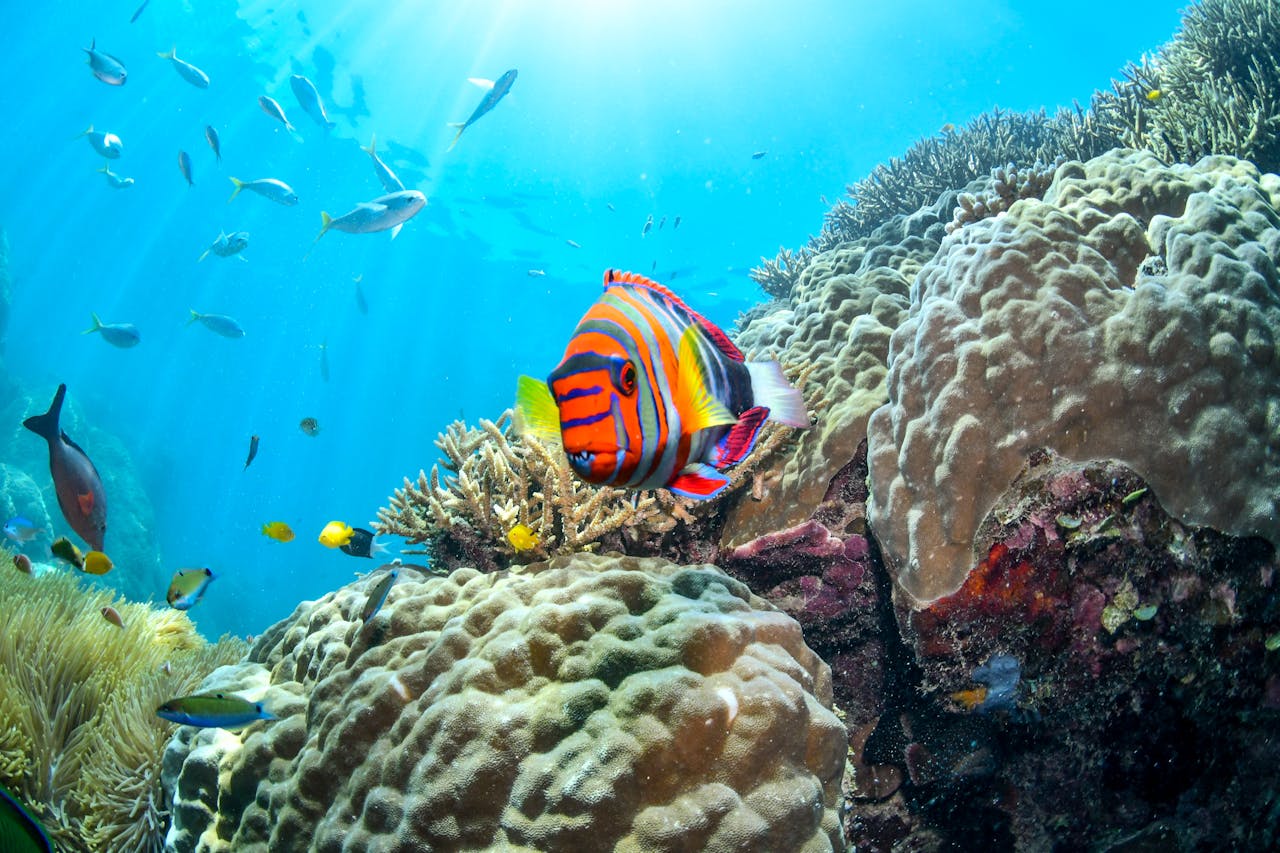
Watamu Marine National Park was established in 1968, making it the first marine protected area in Kenya and one of the oldest in Africa. It encompasses approximately 10 square kilometers of pristine coral reef ecosystem just offshore.Together with the adjacent Malindi Marine Park and Reserve, forms part of a UNESCO Biosphere Reserve that has been protected for over fifty years.
The marine park earns worldwide fame for its natural beauty and diverse marine life. Specifically, finding fewer than a few dozen species inside the main reef is nearly impossible. This assessment is not mere marketing language. Instead, it represents the considered view of seasoned divers. These experts have explored reefs on every continent. Ultimately, they return to state that Watamu’s reefs rank among the most biodiverse on earth. Furthermore, these waters remain incredibly accessible to every visitor.
The reef system is divided into clearly defined zones, each with its own character:
The Coral Gardens: The Coral Gardens are shallow and vivid. Specifically, they are densely populated with reef fish. This is the first stop for snorkelers. Indeed, you will see parrotfish, angelfish, and triggerfish. Furthermore, grouper and lionfish appear in great abundance. The water seems to move with color. Green turtles are reliably present here. Notably, they are habituated to snorkelers. They will continue feeding with a mask six feet away.
The Larder: A deeper zone past Turtle Bay, reached by a short swim from the beach, where the reef drops away and the fish diversity intensifies. Moray eels in crevices. Octopus on the sandy bottom. Barracuda in flickering silver schools.
The Mida Wreck lies eighteen metres deep. Initially, this prawn trawler became a host for soft corals. Now, it houses reef fish and occasional rays. The wreck sits alongside Barracuda Reef as an advanced dive site. Notably, it suits divers with open-water certification. The fish diversity here creates great opportunities for underwater photography.
Meanwhile, Barracuda Reef forms the outer reef. Here, the coral wall drops into deeper, cooler water. Consequently, larger animals appear in this area. You may see white-tip and black-tip reef sharks. Furthermore, eagle rays and schools of trevally frequent the wall. Finally, the park’s most celebrated seasonal visitors arrive during their specific season.
Whale Sharks: The Main Event
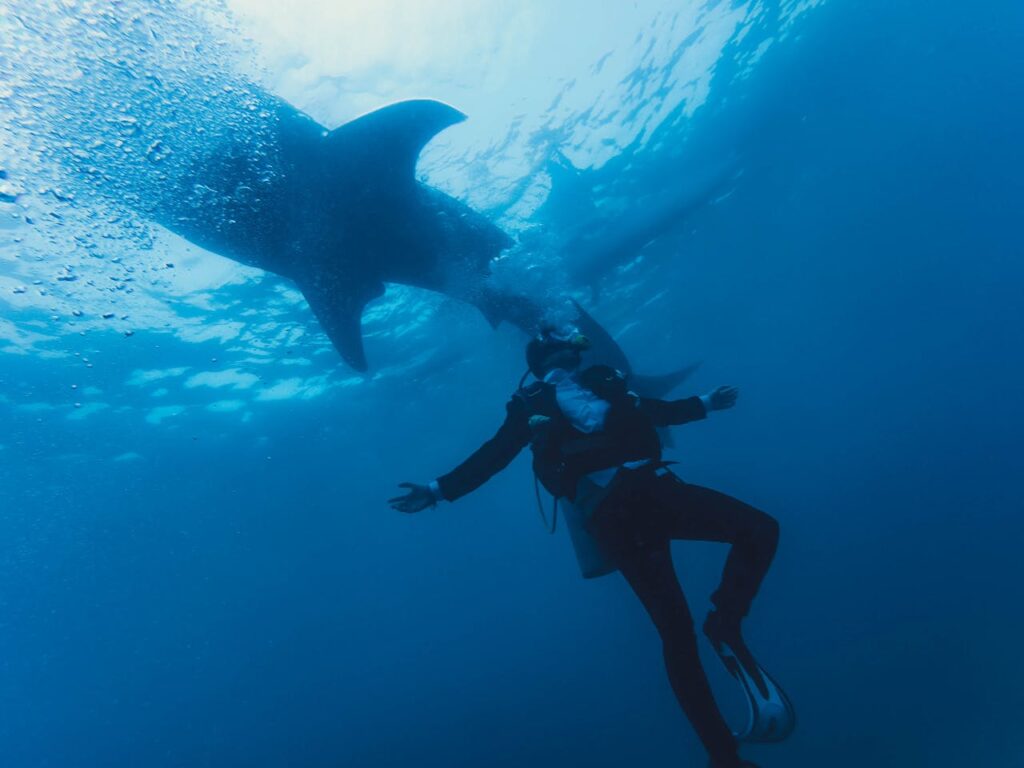
Between October and March, Watamu’s waters offer a rare opportunity. Specifically, it is a reliable spot to encounter whale sharks. These are the world’s largest fish. They can reach up to 12 meters in length. Notably, these filter feeders are entirely harmless to humans. Indeed, they remain among the most extraordinary animals on earth.
Seasonal upwelling draws whale sharks to these shores. Deep ocean currents bring plankton-rich water as the northeast monsoon begins. Furthermore, local researchers have documented these patterns for decades. Consequently, operators understand exactly where to find them. Typically, snorkeling trips run from October to March. However, sightings are most common from October to February. You can easily book these tours through local operators.
Swimming with a whale shark in open water is not a zoo experience. These animals are wild, untethered, and moving constantly — you follow behind one, hovering in the water column, watching its spotted skin and enormous tail sweep methodically through the blue in a movement that is simultaneously prehistoric and completely graceful. They are so large that you cannot see the full animal at once; you take it in section by section, trying to process what you are actually looking at.
Most operators require participants to be competent swimmers and use snorkel only (no scuba in immediate proximity to whale sharks, to minimize disturbance). Trips typically leave early morning and combine whale shark searching with reef snorkeling at the marine park. Book with operators committed to whale shark conservation protocols — no touching, no crowding, minimum distance maintained. The Local Ocean Conservation organization (formerly Local Ocean Trust) has worked in Watamu for decades researching and protecting whale sharks and is an excellent reference for ethical operators.
Sea Turtles: Conservation in Action
Watamu is one of the most important sea turtle nesting sites on the East African coast. Green turtles and hawksbill turtles both nest on Watamu’s beaches, and the Local Ocean Conservation center runs one of the most active sea turtle rescue, rehabilitation, and release programmes in Kenya.
The center’s operation is remarkable in its directness. Local fishermen who accidentally catch turtles in their nets are paid a cash incentive to bring them to the center rather than keep them — a market-based conservation mechanism that has dramatically reduced incidental turtle deaths and created a community economic interest in turtle survival. The rescued turtles are treated and rehabilitated in the center’s tanks, then released back into the ocean when healthy.
Visitors can tour the center, see the turtles in rehabilitation, and learn about the programme from the staff. Turtle nesting season runs roughly from March to July, with hatching occurring weeks later. If your visit coincides with hatching season, ask your accommodation or a local operator about ethical opportunities to watch hatchlings make their way to the sea.
Mida Creek: Magic at Every Hour
About two kilometers south of the main beach, Mida Creek is a large tidal inlet surrounded by extensive mangrove forest — one of the largest mangrove ecosystems on the Kenyan north coast. It is a completely different experience from the open beach and reef, and one of Watamu’s most distinctive attractions.
By day, Mida Creek is a birdwatcher’s paradise. Specifically, it serves as a playground for kayakers. The mangrove channels filter the tidal water through dense root systems. Notably, these roots define the entire ecosystem. Navigating them by kayak resets your sense of nature. You glide silently with the water at eye level. Furthermore, the vegetation presses close on both sides.
The birds here are truly extraordinary. For instance, you will see kingfishers, herons, and egrets. Additionally, many waders inhabit the creek. The migratory season brings an influx of Palearctic species. These birds use the East African coast as a waypoint. Meanwhile, a boardwalk runs over the mangroves. Community conservation groups operate this path. Consequently, non-kayakers can walk safely above the mudflats.
By night, Mida Creek is something else entirely. The creek is famous for its bioluminescent plankton — microscopic dinoflagellates that produce light when disturbed, turning every paddle stroke into a trail of cold blue fire, every fish that darts away into a streak of living light through the dark water. This phenomenon is most intense during calm, dark nights between November and March. Guided nighttime kayak tours run by local operators are among the most consistently described remarkable experiences in Watamu. You paddle in almost total darkness, and the water around you glows.
Sundowners at Lichthaus: Lichthaus bar sits where Mida Creek meets the Indian Ocean. It offers the premier vantage point for late afternoon drinks. The mouth of the creek faces directly west. This orientation captures the full transition of sunset light. You watch the water shift from blue to silver. Then, it turns to gold and deep orange.
Most travelers try to photograph this moment. Yet, a lens rarely captures the true depth of the scene. The experience feels so immersive that guests return night after night. It provides a rare sense of stillness that defines a Watamu stay.
The Gede Ruins: A Swahili Mystery in the Forest
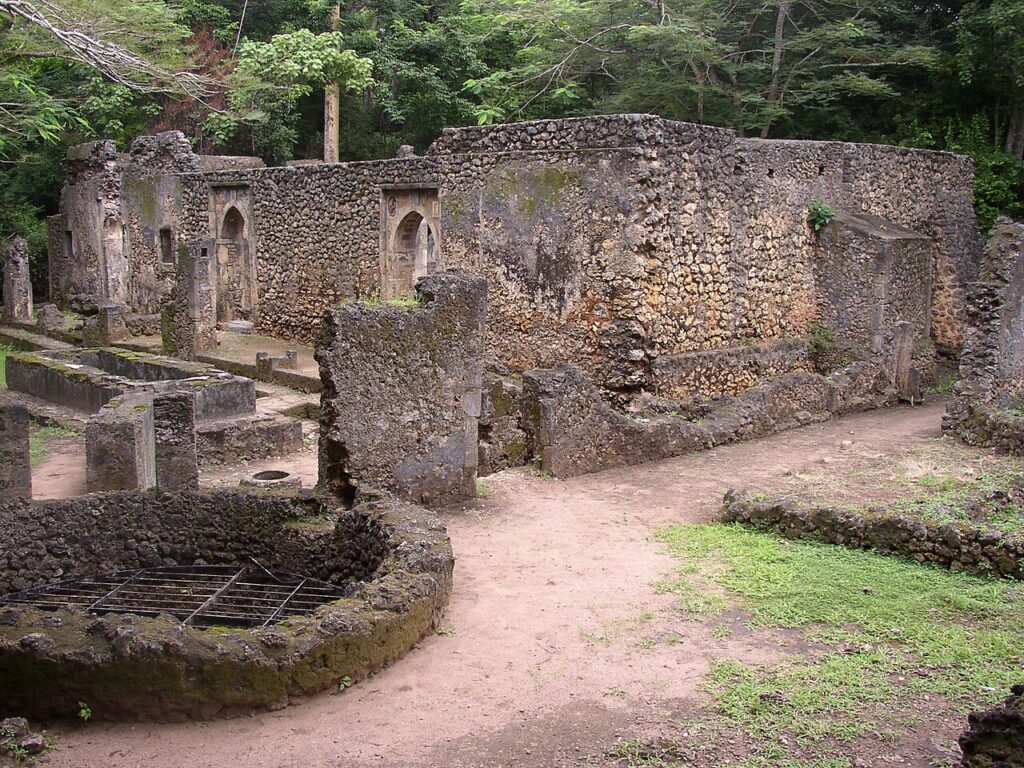
Five kilometers south of Watamu, within the Arabuko-Sokoke Forest, the Gede Ruins are among the most evocative historical sites on the Kenyan coast — and among the least-visited, which makes them all the more atmospheric.
Gede was a Swahili trading town of significant size and prosperity. Built in the 12th century, it reached its peak between the 14th and 15th centuries, when it supported an estimated 2,500–3,000 inhabitants living in stone houses arranged around a Great Mosque, a palace, and a series of smaller mosques. Chinese porcelain, Persian glass, and Indian coins — the material evidence of Indian Ocean trade networks — have been recovered from the site and are displayed in its on-site museum. At its peak, Gede was a sophisticated, cosmopolitan settlement integrated into the commerce of three continents.
Then it was abandoned. By the late 17th century, Gede was empty. No single convincing explanation has been established: drought, epidemic, raids from northern groups, the collapse of the trade networks it depended on, or some combination of all of these. The mystery is genuine, and it gives the site a quality that more thoroughly explained ruins lack.
Today, the excavated portions of Gede include the Great Mosque (the largest structure, still roofless but intact in its walls and mihrab orientation), the Sultan’s Palace (a substantial multi-room structure with carved doorways and cisterns), and numerous residential houses, each identified by the archaeological finds that helped date them. The forest has pressed close and, in some places, reclaimed sections of walls entirely, so that you move between stone architecture and ancient trees in a continuous, somewhat dreamlike sequence.
Go with a guide. The National Museum of Kenya maintains the site and provides guided tours that contextualize the archaeology within the broader history of the Swahili coast. Without guidance, the ruins are interesting. With it, they are genuinely moving.
Arabuko-Sokoke Forest: Kenya’s Last Coastal Rainforest
The forest surrounding the Gede Ruins is not merely a setting. Arabuko-Sokoke Forest is the largest remaining fragment of the lowland coastal forest that once stretched in an almost continuous band along East Africa’s coast — a forest type now reduced to scattered remnants by agricultural conversion, logging, and development.
It covers approximately 240 square kilometers and is, for the birds that depend on it, irreplaceable. Over 300 bird species are recorded in the reserve, including endemic, rare, and endangered species found nowhere else in the world. The Sokoke Scop’s Owl, tiny and surprisingly elusive despite being one of the forest’s most sought-after birds, exists almost entirely within this forest ecosystem. The Clarke’s weaver is endemic to Arabuko-Sokoke and Gede. The Amani sunbird and several other coastal forest specialists complete a list that makes this, for serious birders, one of the most important sites in East Africa.
The forest also supports elephant, buffalo, Sykes’ monkey, yellow baboon, golden-rumped elephant shrew (one of the most extraordinary-looking small mammals in Africa, as improbable as its name suggests), and the secretive caracal.
Community-managed nature trails run into the forest from the park boundary near Gede, and guides are available and advisable — navigating Arabuko-Sokoke without local knowledge means missing most of what makes it extraordinary.
Marafa Canyon — Hell’s Kitchen
About 30 kilometres north of Watamu, the Marafa Canyon — locally called Hell’s Kitchen — is one of Kenya’s most unexpected geological spectacles. A dramatic erosion canyon has carved deep into the coastal sediments, revealing layers of red, orange, pink, and cream rock in formations that catch the late afternoon light in ways that make photographers stop mid-sentence.
The canyon is associated with Giriama community folklore involving a family whose wealth and arrogance brought divine retribution — their wealthy compound, according to the legend, swallowed whole by the earth, leaving only the canyon as evidence. It is a story of hubris and consequence, and standing on the canyon rim as the colors deepen toward sunset, it is not difficult to feel the weight of it.
The walk down into the canyon floor is possible and manageable for most visitors. Early morning or late afternoon are the only sensible times — midday heat in the canyon is intense.
The Food: Why Watamu’s Restaurant Scene Surprises Everyone
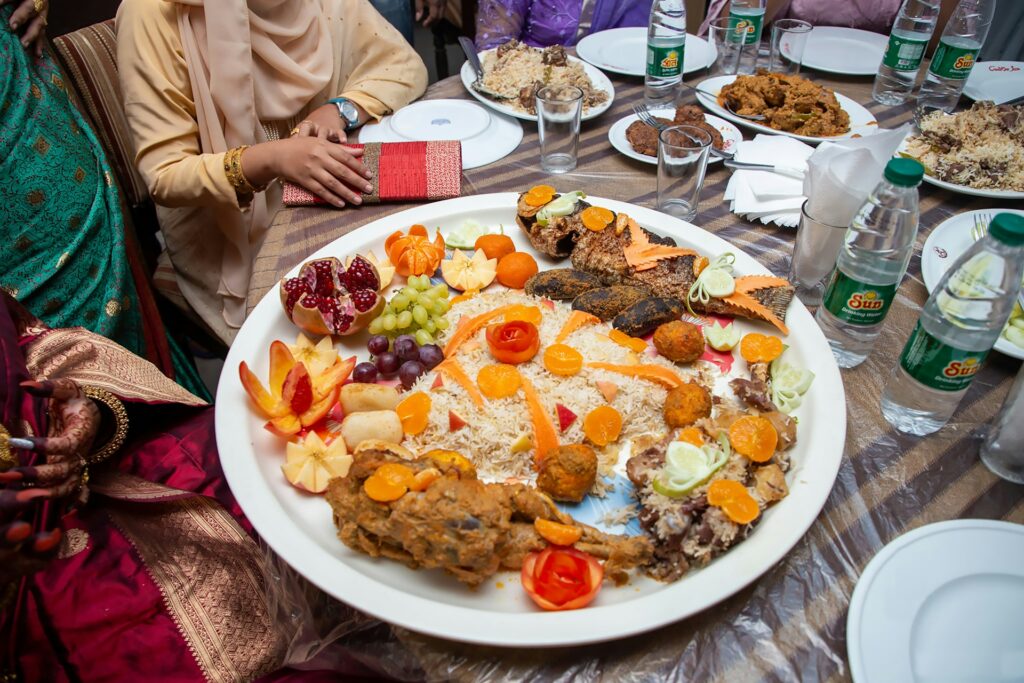
Nobody expects world-class food in a small coastal town. Watamu has not read that assumption.
Italian food: The long-resident Italian community has resulted in restaurants serving genuinely excellent pizza from proper wood-fired ovens, fresh pasta, and wines that have been brought here with intention rather than shipped as an afterthought. This is not “Italian food in Africa” in the way that phrase usually implies — this is the real thing, cooked by people who know it as home cooking.
Swahili seafood: Fresh fish, prawns, crab, lobster, and octopus caught by the local fishing community and prepared in the coastal tradition — grilled, fried, or cooked in mchuzi wa nazi (coconut curry). The combination of Indian Ocean spice influence and East African cooking technique produces flavors that exist nowhere else. Find the beach restaurants and the local eateries near the market rather than limiting yourself to resort dining.
The Market: Watamu Village’s open-air market is where local life concentrates in the mornings — fresh produce, fish landed hours ago, coconuts cracked to order, and the full sensory experience of a working coastal market that has not been packaged for tourists.
Water Sports: Wind, Waves, and the Active Side of Watamu
Watamu is not merely a destination for divers and snorkelers. The bay’s consistent wind conditions and sheltered lagoon make it one of the better water sports locations on the Kenyan coast.
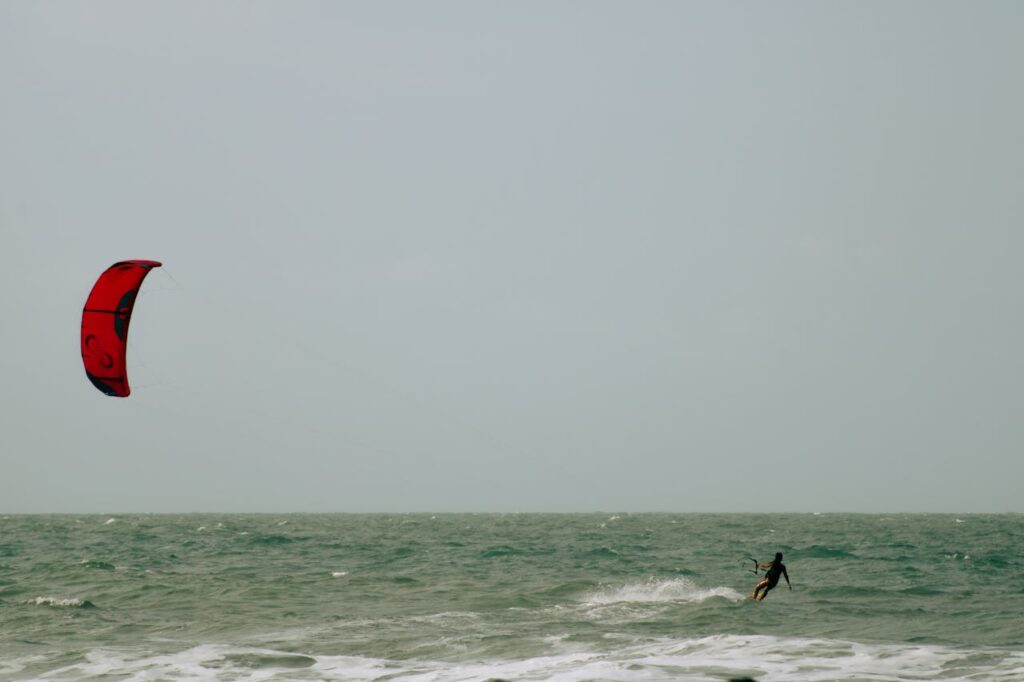
Kitesurfing: The trade wind seasons that define the broader Kenyan coast operate at Watamu with reliable consistency — the Kusi (southeast) winds from approximately April to September, and the lighter Kaskazi (northeast) from November to March. Watamu’s particular bay geometry creates good launching conditions, and the lagoon behind the reef provides sheltered flatwater for beginners. A small kitesurfing community has established itself here, with instructors available for lessons during the prime wind seasons.
Deep-sea fishing: The Watamu area is one of East Africa’s historic deep-sea fishing destinations. The Pemba Channel — the deep oceanic trough that runs between the continental shelf and Pemba Island — produces blue marlin, black marlin, striped marlin, sailfish, yellowfin tuna, and wahoo in season. The best fishing window is August to March, with September and October historically producing the best marlin concentrations. Hemingways Watamu, whose very name signals this tradition, is the established center for deep-sea fishing in the area and can arrange full-day or half-day charters with experienced skippers.
Kayaking and paddleboarding: The calm waters of Turtle Bay, sheltered by the offshore reef, are ideal for kayaking and stand-up paddleboarding at most tide states. Glass-bottom boat tours operate in the park waters for non-swimmers and families who want to see the reef life without entering the water — a consistently recommended experience for children.
Dhow cruises: Traditional Swahili sailing dhows operate sunset and full-day cruises from Watamu, taking guests along the coast and into Mida Creek. There is something specific and irreplaceable about moving through this water under a lateen sail, with the Indian Ocean coast extending in both directions — an experience that feels genuinely connected to the centuries of sailing culture that shaped this coastline.
Day Trips and Nearby Destinations
Malindi is 15 kilometers north and worth a half-day exploration — the old town retains its Swahili character in a more concentrated form than Watamu, with the Vasco da Gama Pillar (a Portuguese navigational monument from 1498, one of the oldest European structures in sub-Saharan Africa) and the Malindi Museum providing historical context for the coast’s remarkable trading history.
Lamu is further north still — technically accessible by road (a long, remote journey) or more practically by daily scheduled flight from Malindi Airport. Lamu Old Town is a UNESCO World Heritage Site and one of the best-preserved Swahili settlements in East Africa, with car-free donkey-navigated lanes, intricately carved coral-stone architecture, and a pace of life that the rest of the Kenyan coast has largely lost. It is a full trip in itself, but as a day flight from Watamu it rewards considerably.
Where to Stay in Watamu
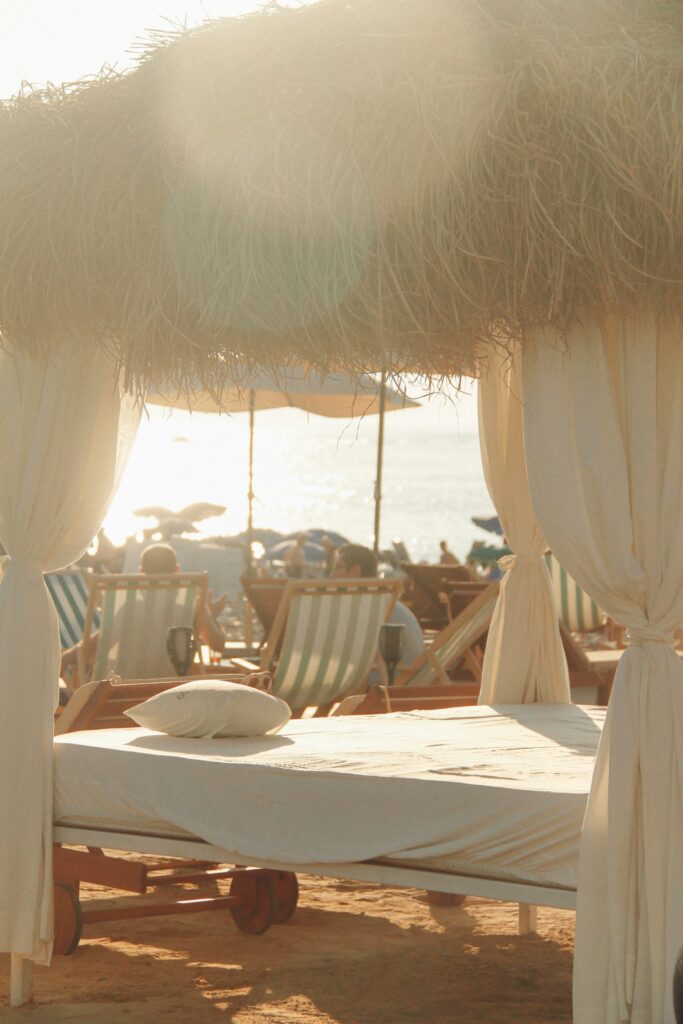
Hemingways Watamu is the prestige address — five-star on the ocean, spa, two pools, al fresco dining with sea views, and the polish of a property that has hosted guests who know precisely what luxury looks like. This is where you come if the standard of your Kenyan coast stay needs to match the standard of your Mara lodge.
Turtle Bay Beach Club is the benchmark family resort — directly on Turtle Bay beach, with a kids’ club, large pools, structured activities, and the kind of child-focused infrastructure that takes the anxiety out of travelling with young children. The beach here is calm and reef-sheltered, ideal for children to swim safely.
Watamu Treehouse occupies a different category entirely — a charming boutique guesthouse with seven ensuite rooms built in harmony with the surrounding indigenous forest, with views of both the Indian Ocean and the forest canopy. A yoga retreat programme operates for guests. It is intimate, thoughtful, and precisely calibrated for the kind of traveler who wants wellness with wildness rather than a spa with a sea view.
For budget and mid-range travelers, Watamu’s guesthouse scene is extensive and unpretentious. The town’s scale keeps prices honest, and local accommodation along the beach road and in the village offers excellent value in a way that the more famous Kenyan coastal destinations increasingly cannot match.
When to Visit Watamu
October–March is the peak window for marine experiences — whale sharks present, bioluminescent plankton most active, diving and snorkeling visibility at its best, and weather dry and warm with the northeast monsoon providing comfortable conditions. This is when Watamu is most fully itself.
June–September brings cooler temperatures and the southeast Kusi winds — perfect for kite surfers, comfortable for beach holidays, slightly rougher for snorkeling in certain areas.
April–May (long rains) sees lower visitor numbers, some hotel closures, and occasional rough sea conditions. Those who come find exceptional value and a coast that is genuinely their own.
How to Combine Watamu With a Kenya Safari
Watamu sits naturally at the end of a southern safari circuit. Nairobi → Amboseli → Tsavo West → Tsavo East → Watamu is one of the classic Kenya journey shapes — drive or fly through Kenya’s iconic southern safari landscape and arrive at the coast in Watamu for a beach decompression. The Tsavo parks are within comfortable driving distance of the north coast, making the safari-to-beach transition seamless.
Alternatively, combine Watamu with Samburu and Meru in a north Kenya circuit that is rewarding precisely because it keeps the tourist density low throughout.
Ready to discover Kenya’s best-kept coastal secret? Enquire about coastal Kenya packages and get a custom itinerary that actually includes Watamu.
Related Articles
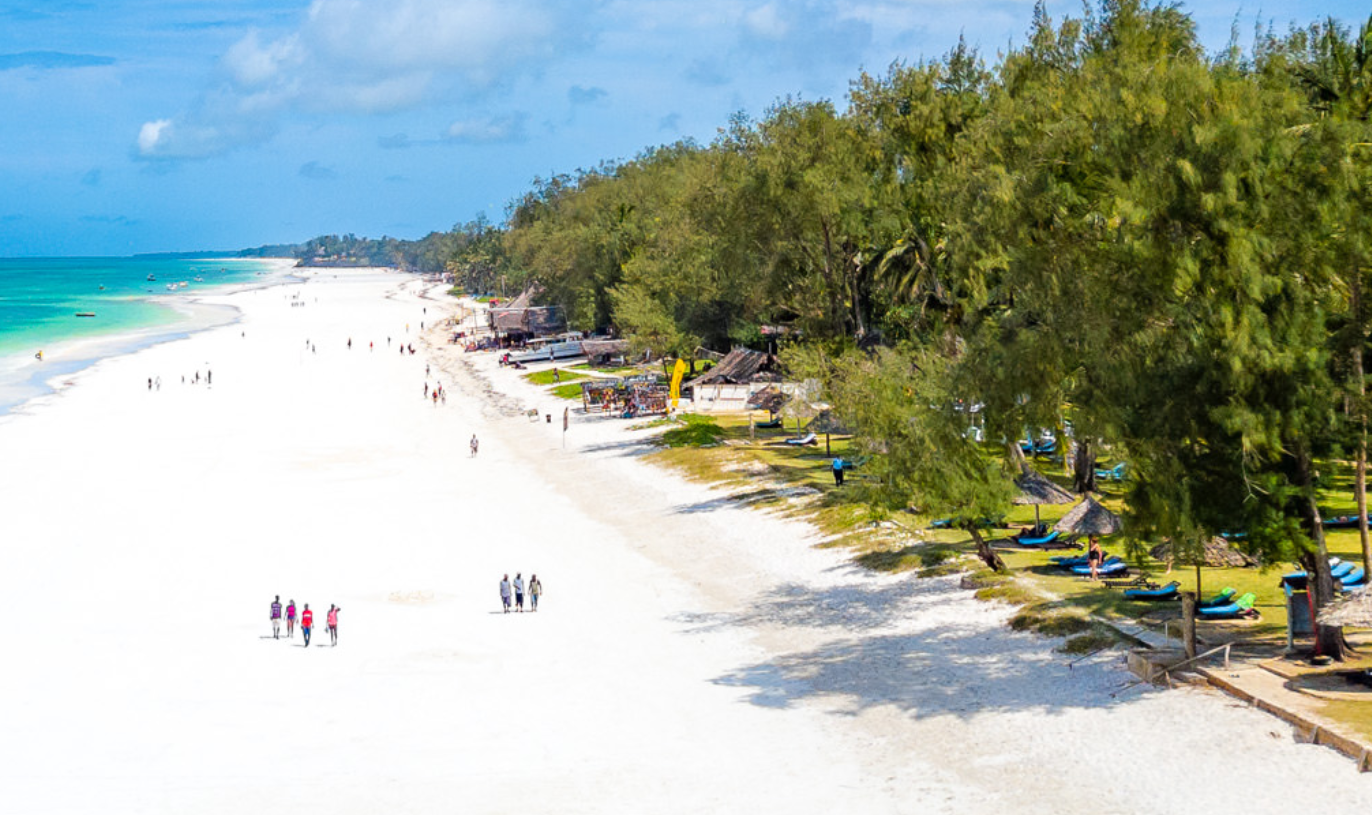
Beach Resorts Kenya Doesn’t Advertise Enough Until Now
Kenya is famous for its safaris, the Maasai Mara, and Big Five wildlife encounters. But there’s anot...
One Day Out of Nairobi Changes Everything: Here’s Where to Go
Life in Nairobi moves fast. Between traffic, deadlines, and the constant buzz of city life, it’s eas...
Lamu Has No Cars, No Rush and No Equal
If you’ve ever dreamed of escaping the noise, traffic, and constant rush of modern life, there’s a p...