
Nobody warns you that it will be the silence that does it.
You have seen photographs. Ofcourse you know what Amboseli is supposed to look like — the elephants, the mountain, the golden plains. You have the image in your head. It is one of the most reproduced wildlife photographs in Africa, so familiar it has become almost a cliché. You think you know what to expect.
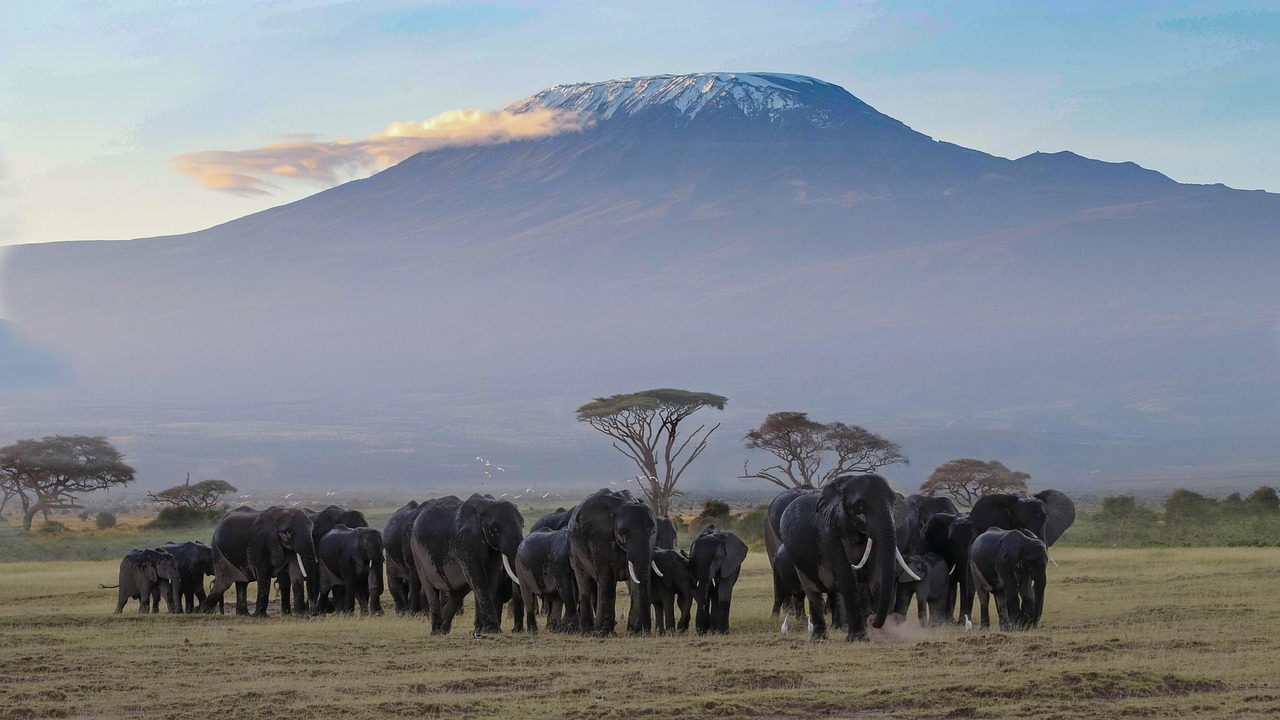
Then you are actually there. You sit in an open vehicle as morning light floods the plain. Suddenly, a matriarch emerges from the Enkongo Narok swamp. Her family follows close behind her. Calves press against their mothers’ flanks. Meanwhile, adolescents push at the edges with the restlessness of teenagers.
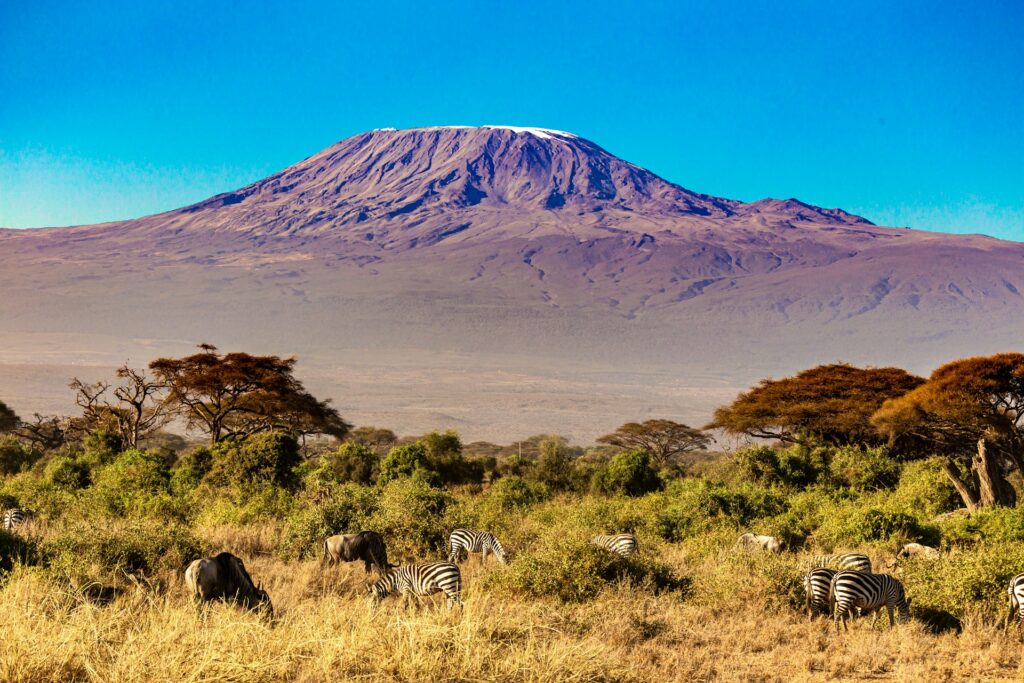
These animals are enormous and unhurried. They seem completely indifferent to your presence. Beyond them, Kilimanjaro fills half the southern sky. Photographs never quite convey this scale. The mountain rises white and permanent from the plains. Now, its glaciers catch the first light of the morning.
Something happens to people at this moment. You will see it inside the vehicle. Suddenly, other guests fall quiet. They reach reflexively for their cameras. Then, they put them down again. Instead, they choose to simply look. In this way, the silence of the Mara takes over.
The images end up fine. The moment itself is better.
Ultimately, this is Amboseli National Park. It is a place where the largest land animals on earth walk daily. Specifically, they travel across one of Africa’s most extraordinary landscapes. Furthermore, the highest mountain on the continent provides a stunning backdrop.
In fact, dedicated researchers observe these herds every day. These experts have known the individual elephants and their families for over fifty years. Consequently, the park offers a deep look into elephant society. Indeed, Amboseli is one of the great wildlife destinations on the planet by any measure. Therefore, every safari enthusiast should prioritize a visit to this iconic location.
What Amboseli Actually Is
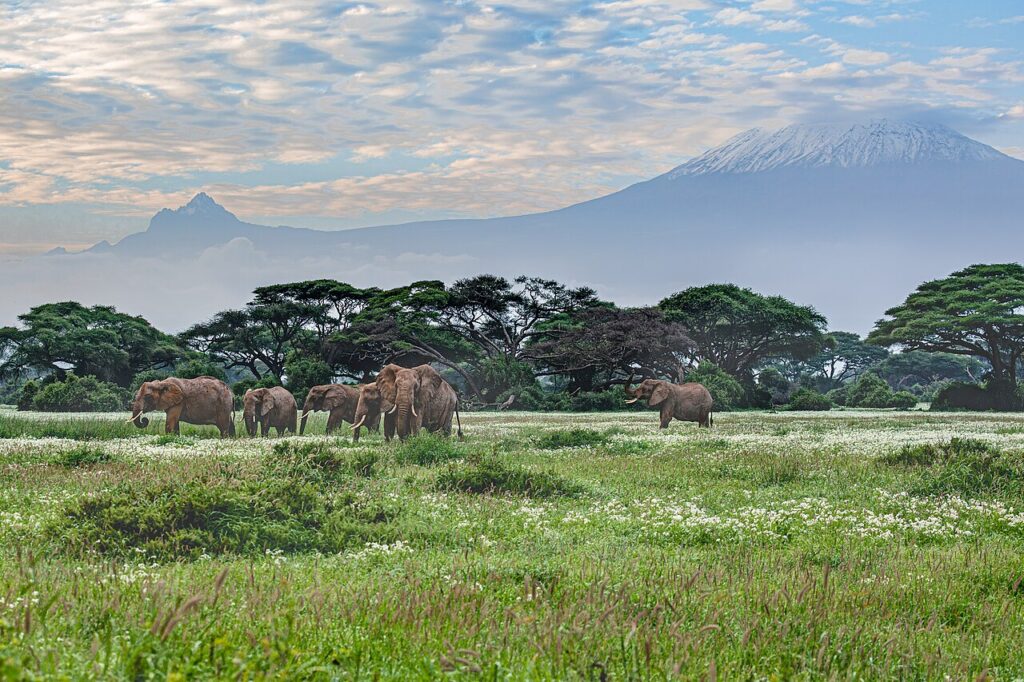
Amboseli covers roughly 392 square kilometers in southern Kenya. Specifically, it sits within Kajiado County along the Tanzanian border. There, Kilimanjaro looms directly over the park’s southern boundary. The name comes from the Maa word for “salty dust place.”
Indeed, this is an accurate description of the central basin. A pale, alkaline lake bed occupies much of the park. Originally, this area was part of a massive Pleistocene lake. Today, that ancient water source has left behind a unique and dusty valley.
It is a compact park by Kenyan standards. The Maasai Mara is three times the size; Tsavo’s two parks together are more than twenty times larger. But Amboseli’s compactness is one of its strengths: the park’s open topography — flat, semi-arid plains with scattered acacia woodland, dominated by permanent swamps in the south and centre — means visibility is extraordinary. There are no dense forests to lose animals in, no thick bush to frustrate sightings. On the open Amboseli plain, what you’re looking for is almost always visible.
The park’s survival depends on a remarkable hydrological connection with Kilimanjaro itself. Underground aquifers recharged by the mountain’s melting glaciers and rainfall feed a series of permanent swamps — Enkongo Narok and Longinye being the most significant — that remain water-filled even during the most severe droughts. These swamps are the beating heart of the Amboseli ecosystem: lush, green, papyrus-fringed oases in the middle of a landscape that in the dry season looks like the surface of another planet. Every animal in Amboseli depends on them. The elephants are drawn to them daily. And the vision of elephants wading through green swamp water with Kilimanjaro reflected behind them is the defining image of the place.
The Elephants: The Whole Story
Amboseli’s elephants are unlike elephants almost anywhere else in Africa, and the reason is scientific.
Since 1972, Cynthia Moss and the Amboseli Elephant Research Project (AERP) — now the Amboseli Trust for Elephants — have conducted one of the longest-running longitudinal wildlife studies in history. Researchers here have named and studied every single elephant family across multiple generations. In fact, these experts recognize individual elephants on sight. They know their histories by heart and have mapped every complex family connection. Because of this, the park feels less like a wilderness and more like an epic, multi-generational saga. Ultimately, you are not just watching animals; you are watching a well-documented history unfold. This continuous, multigenerational observation has produced some of the most significant discoveries in elephant science — complex social structures, long-term memory, sophisticated acoustic communication, grief and mourning behaviors, and a depth of intelligence that has permanently shifted global understanding of these animals.
This level of habituation offers visitors an extraordinary experience. Specifically, researchers have observed these elephants closely for over fifty years. Because of this respectful history, the herds are remarkably calm. They are not tamed or performing. Instead, they are simply accustomed to quiet vehicles.
Consequently, you can enjoy sightings of extraordinary intimacy. For example, you might watch calves learning to use their trunks. Elsewhere, matriarchs discipline restless adolescents. Meanwhile, bulls in musth move through the herds with total authority. Ultimately, their proximity allows you to witness the true soul of the elephant.
The park protects some of Africa’s last true “super-tuskers.” These bulls carry ivory so long it actually drags along the ground. Amazingly, they still carry genetics that survived the brutal poaching waves of the 1970s. These individuals are Amboseli royalty.
An encounter with one stays with you forever. They move with a massive, deliberate grace that suggests genuine ownership of the land. Simply put, watching a super-tusker walk toward Kilimanjaro is a moment that never leaves you.
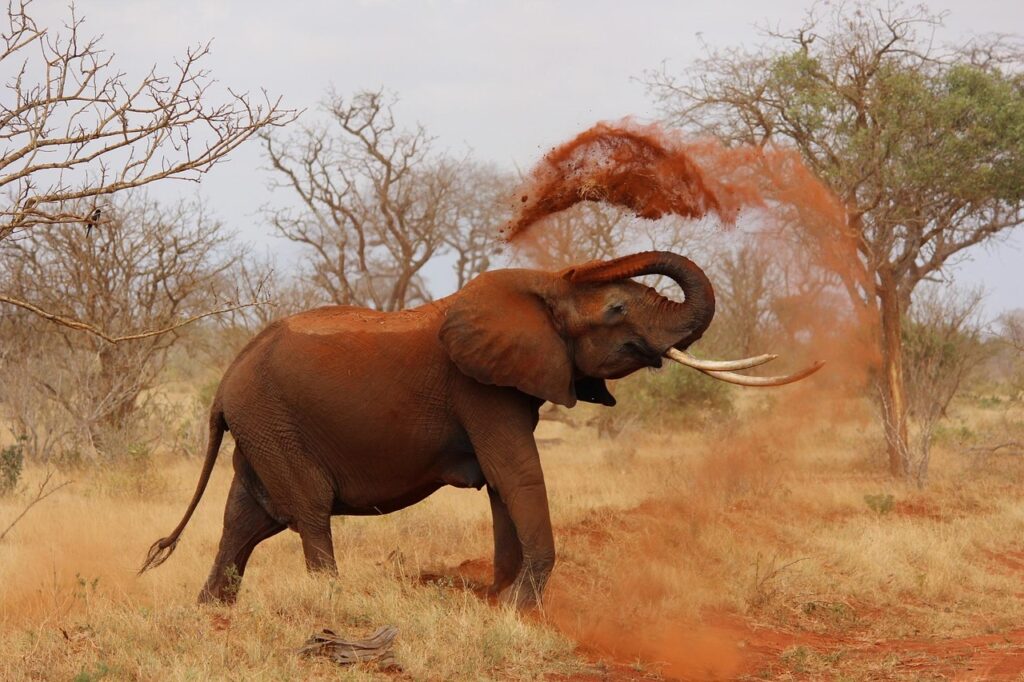
Amboseli’s elephants also display one of the most iconic visual phenomena in African wildlife: the “red elephants.” The park’s iron-rich volcanic soil stains their skin a deep ochre-red when they dust-bathe and roll in it, a natural behavior that protects them from sun and insects. A herd of Amboseli elephants at midday, dust-bathed in red soil against the pale plain, is a different and equally striking vision from the classic morning swamp silhouette.
The Daily Rhythm of the Herds
Amboseli’s elephants follow a predictable daily pattern shaped by survival, and understanding it means you’re always in the right place.
Early morning (6:00–9:00 AM): Family groups graze on the open northern and eastern plains, spreading out as temperatures remain cool. This is the golden hour for elephant photography — the animals spread across the plain, the light is warm and low, and Kilimanjaro (still cold from the night, often cloud-free at this hour) fills the southern sky. This is the classic Amboseli moment. Be in position by 6:30 AM.
Midday (10:00 AM–3:00 PM): Heat drives the herds south and into the swamps. Elephants wade, drink, bathe, and rest in the shade of the papyrus margins. This is spectacular in its own way — large numbers of elephants concentrated in the swamp water, calves splashing, adults rolling — but less photogenic than the open-plain morning.
Late afternoon (4:00–6:30 PM): The herds emerge from the swamps and move back north, crossing the open plain in the extraordinary late light. This is the other prime photography window — backlighting turns the dust raised by their feet into gold, and the mountain, often clearer again after the afternoon clouds have dispersed, completes the scene.
The secret: Hire the best possible guide — ideally one with AERP connections or a personal history with the elephant families — and follow their intelligence on which herds are where that morning.
Beyond the Elephants: What Else Lives in Amboseli
The instinct to reduce Amboseli to “the elephant park” undersells it considerably.
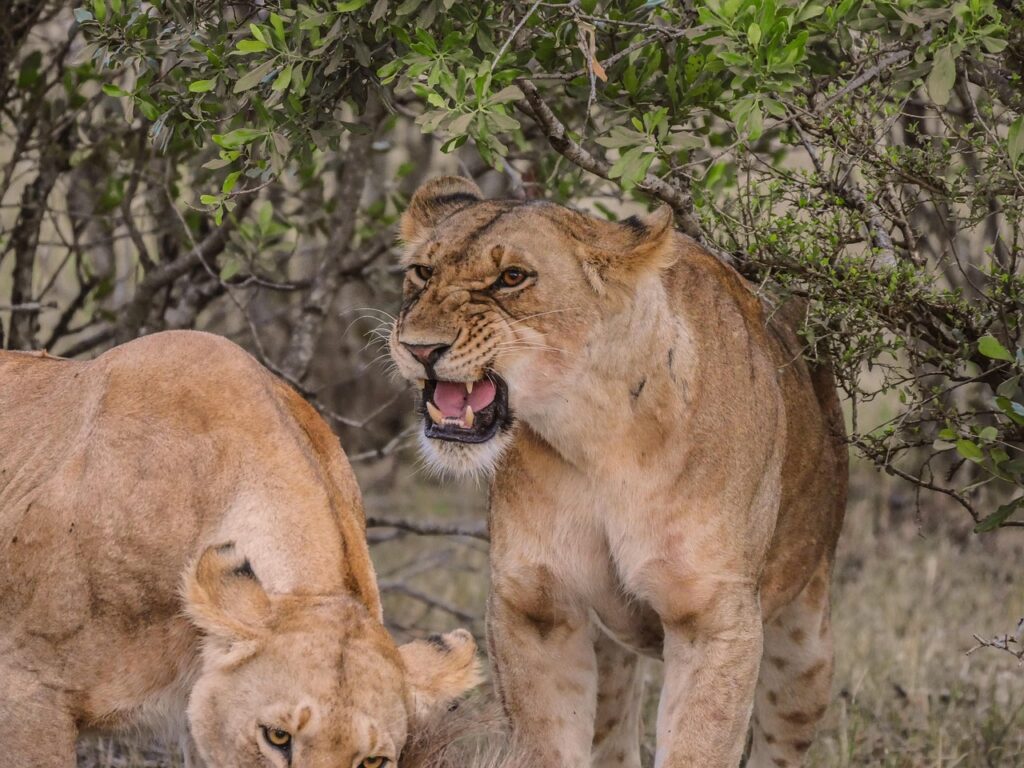
Big Cats: Lions are present year-round, typically patrolling the swamp edges where prey concentrates. Cheetahs hunt the open plains — Amboseli’s flat, sparsely vegetated terrain makes cheetah sightings particularly clear and sustained. Leopards exist in smaller numbers, more secretive in the woodland fringes.
Other Megafauna: Cape buffalo in large herds. Hippos in the swamps alongside the elephants, visible at relatively close range. Masai giraffe. Zebra and wildebeest. Warthog families trotting across the plain with tails erect. The ecological cast is as rich as any major Kenyan park.
Observation Hill: Observation Hill sits a short walk from the main park road. Notably, it offers the only chance to step out of your vehicle. You can climb to a viewpoint for a full 360-degree panorama. From there, you see the swamps to the south and plains to the north. Meanwhile, Kilimanjaro dominates the entire horizon.
Suddenly, the scale of the ecosystem becomes comprehensible in a single glance. Therefore, every visitor should make the climb. In fact, the experience only takes about twenty minutes. Ultimately, this stop provides the best perspective of the park.
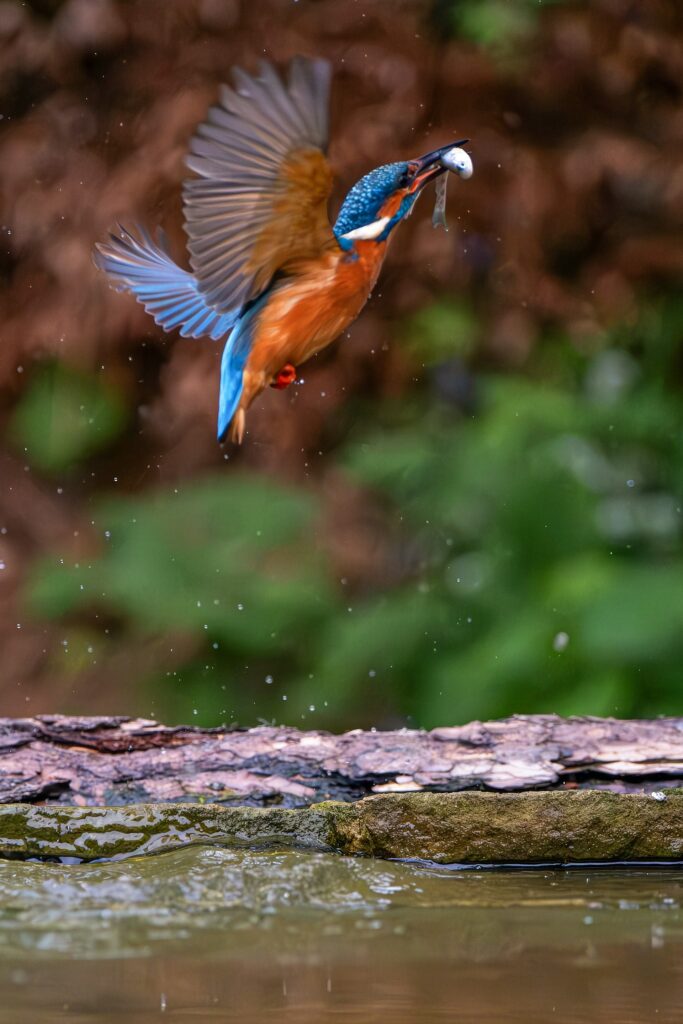
Birdlife: Over 420 species recorded — one of Kenya’s highest bird counts for a park of this size. The swamps are particularly productive: African fish eagle, grey-crowned crane, great white pelican, malachite kingfisher, saddle-billed stork, Egyptian goose, and dozens of heron and egret species. During the wet season, migratory waders arrive in substantial numbers. Serious birders come to Amboseli specifically and leave entirely satisfied.
The Maasai Dimension: Culture and Conservation
Amboseli does not exist in isolation from the people who have lived alongside its wildlife for centuries.
The Maasai community has coexisted with Amboseli’s wildlife across generations, and their role in the park’s conservation is not peripheral — it is foundational. Much of the land surrounding the national park is Maasai communal land (group ranches), and the Maasai’s historical tradition of not killing wildlife (their cultural identity and wealth is bound up in cattle, not wild game) provided critical protection during the decades when the park was most vulnerable.
Currently, the park and Maasai communities manage their relationship through formal conservancy agreements. These revenue-sharing structures ensure that tourism supports local people directly. For instance, when you stay at lodges on the park’s edges, a portion of your cost flows to community funds.
Similarly, the income stays local when you visit a Maasai village. Your itinerary choices provide a direct economic benefit to the traditional landowners. Ultimately, this partnership helps protect both the wildlife and the local way of life.
A Maasai village visit in the Amboseli ecosystem — not a staged tourism performance but an actual community interaction — is one of the more authentic cultural experiences available in Kenya. The village manyatta (homestead), constructed from mud, dung, and sticks by the women of the family in a design unchanged for centuries, tells you something about human ingenuity and adaptation to harsh conditions that no amount of reading can convey. The cattle, central to Maasai identity and wealth, are present, real, attended to with the attention you’d give something your entire life depends on.
Amboseli vs. the Maasai Mara: The Honest Comparison
This question comes up constantly, and it deserves a direct answer.
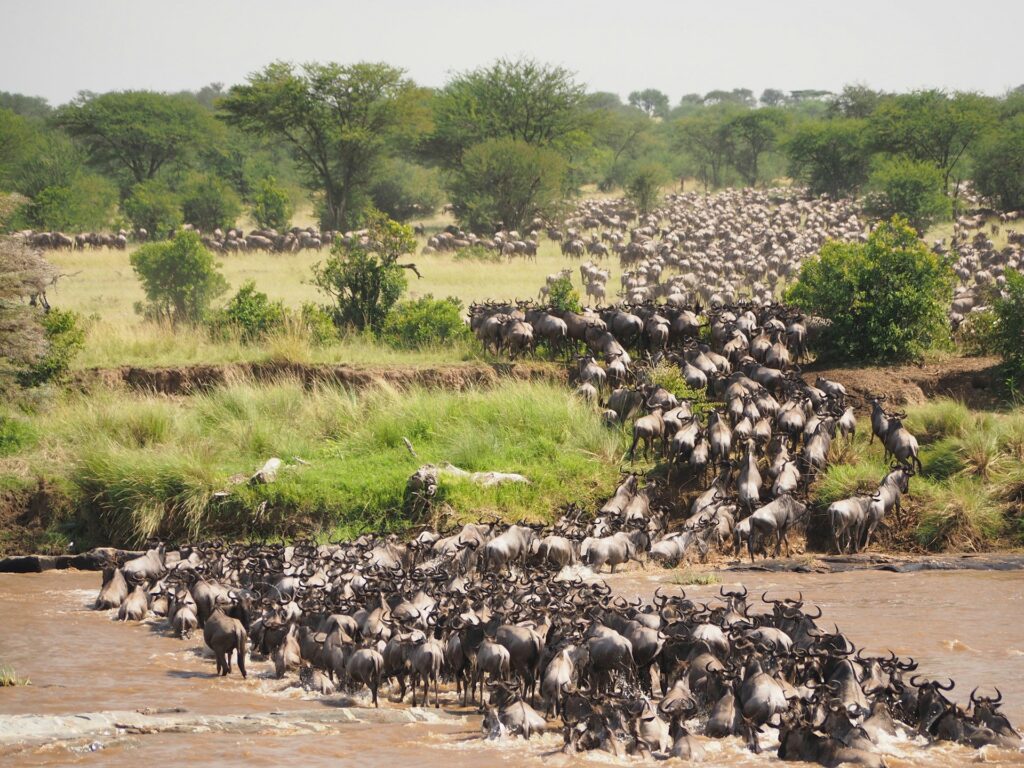
The Maasai Mara is the better park for overall wildlife diversity and predator density. The Mara hosts more lions, has a larger cheetah population visible more frequently, and during the Great Migration (July–October) provides wildlife spectacle on a scale that nothing in Africa rivals. If this is your one safari and you want to see the most possible wildlife in the most dramatic concentrations, go to the Mara.
Amboseli is the better park for elephants, for Kilimanjaro photography, and for a more intimate, focused experience. If elephants are your primary passion — if you want to spend time with individuals whose family histories are documented across fifty years, whose behaviors have been studied in extraordinary depth, and whose encounters are genuinely close and sustained — Amboseli is unmatched. If the specific image of large elephants in front of Kilimanjaro is important to you (and for many visitors, it is the primary reason they come to Kenya), Amboseli is the only place in the world where that image is real.
The very best Kenya itineraries include both. Mara for the migration and the cats, Amboseli for the elephants and the mountain. They are two hours apart by charter flight and are the complementary pillars of Kenya’s safari offering.
Amboseli in Season: When to Go
Dry Season (June–October and January–February): The best windows for wildlife viewing, by a considerable margin. Vegetation is sparse, animals concentrate around the permanent swamps, and Kilimanjaro is most likely to be cloud-free in the mornings. The dry season in Amboseli is when the classic images are made.
Wet Season (March–May and November–December): The plains transform. After the first rains, the landscape goes from pale brown to vivid green in a matter of days. Elephant numbers disperse across a wider area as water becomes more abundant, making concentrations harder to find — but the individual sightings, against a lush green backdrop, are visually extraordinary. Birding reaches its peak. Prices drop, and the park is significantly quieter. A wet season Amboseli visit has a completely different character from the dry, and travellers who have done both often express deep affection for the green season.
The cloud question: Kilimanjaro is typically clearest in the mornings of the dry season — particularly January–March. By late morning, cloud often forms around the upper mountain and can conceal it entirely. This is not a reason not to visit, but it is a reason to be at Observation Hill at first light rather than after breakfast.
Where to Stay in Amboseli
Amboseli’s accommodation has matured significantly in recent years, and the best lodges are genuinely excellent. Here is the honest guide:
Tortilis Camp: The benchmark luxury tented camp in Amboseli, set in a shady acacia grove with seventeen tents, each positioned for maximum privacy. The views of Kilimanjaro from the camp are exceptional, the guiding is superb, and the overall experience is intimate in a way that the larger lodge properties cannot match. The dining, served al fresco beneath acacia trees with the plains spread around you, is some of the best camp food in Kenya.
Ol Tukai Lodge: Positioned inside the national park in a grove of yellow fever trees, Ol Tukai is famous for the fact that wildlife — including elephants — regularly wanders through the grounds. Eighty chalet-style rooms with private verandas facing the mountain. The combination of in-park location (earlier access to game drives), reliable elephant encounters within the grounds, and solid service makes this a consistently excellent choice.
Amboseli Serena Safari Lodge: The largest option inside the park, built in a Maasai-inspired architectural style with a central swimming pool, cultural performances, and a central location that gives excellent access to all areas. Particularly good for families and for those who want the full lodge experience with multiple amenities.
Tortilis Camp’s smaller-group rival: Tawi Lodge, on a private conservancy bordering the park, offers a more exclusive and eco-conscious experience with personalized guiding, bush spa treatments, and an outstanding position.
Angama Amboseli: The newest headline property, built in the tradition of Angama Mara in the Maasai Mara. Boutique, beautifully designed, with exceptional wildlife access and the house style — warm, personal, deeply knowledgeable — that has made the Angama brand one of Kenya’s most celebrated.
Getting to Amboseli
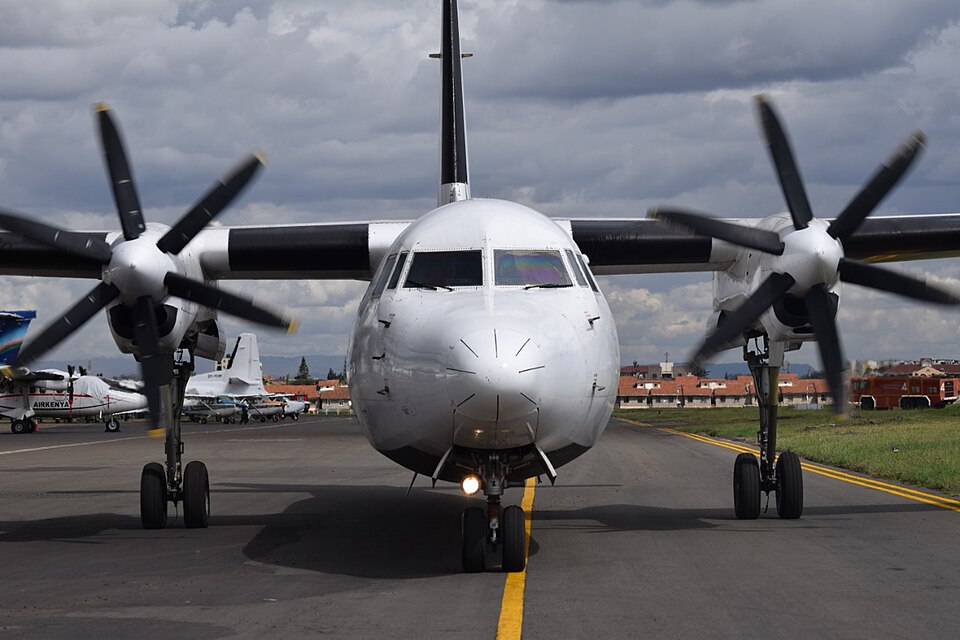
By air: The fastest option. Scheduled and charter flights operate from Wilson Airport in Nairobi to Amboseli Airstrip, taking approximately 40–45 minutes. This is the recommended approach for travelers with limited time or those coming directly from a Maasai Mara safari. The aerial views of Kilimanjaro on approach are, on a clear day, themselves a highlight.
By road: Approximately 240 kilometers from Nairobi, taking 4–5 hours by road (via the Namanga route or the Mombasa Road turning at Emali). The road journey is scenic and practical for self-driving visitors or those on road safari circuits that combine Amboseli with Tsavo or the Chyulu Hills. A 4×4 vehicle is required for navigating the park’s internal tracks.
The Conservation Story: Why Amboseli Matters Beyond Tourism
Amboseli is not merely a beautiful place to visit. It is one of the most significant sites in global elephant conservation — and the work being done here has implications that extend far beyond Kenya’s borders.
The Amboseli Trust for Elephants, founded by Cynthia Moss, has since 1972 accumulated a database of individual elephant life histories that is without parallel anywhere in the world. Researchers can trace family groups across three and sometimes four generations — grandmothers, mothers, daughters, and granddaughters whose stories are known in the kind of detail normally reserved for human biographies. This research has proven elephant intelligence, emotional capacity, and complex social organization in ways that were not scientifically established before Amboseli.
The discoveries have been profound. Elephants recognize themselves in mirrors — one of the few animal species that does. They mourn their dead, returning repeatedly to the bones of deceased family members and touching them with their feet and trunks in behaviors that appear indistinguishable from grief. They communicate via very low frequency infrasound across distances of several kilometers — an entire acoustic dimension of their social life that humans cannot hear without specialist equipment. Matriarchs pass knowledge of historical drought refuges and water sources to younger generations, knowledge that keeps families alive during severe climate events. All of this was discovered or confirmed in Amboseli.
The park also sits at the center of critical debates about elephant migration corridors. Amboseli’s elephants historically ranged across a far wider territory — into Tsavo to the east, through the Chyulu Hills, and south into Tanzania’s Kilimanjaro ecosystem. These corridors are increasingly fragmented by agricultural expansion and human settlement. The work of identifying, protecting, and sometimes negotiating safe passage for these movement routes is a daily challenge for Amboseli’s conservation community, and it is work that directly determines whether large-scale elephant conservation in southern Kenya remains viable.
When you visit Amboseli, you are not simply a consumer of wildlife tourism. A portion of your park fees, your lodge rates, and the conservancy fees embedded in your safari costs fund this work directly.
For Photographers: Making the Most of Amboseli’s Light
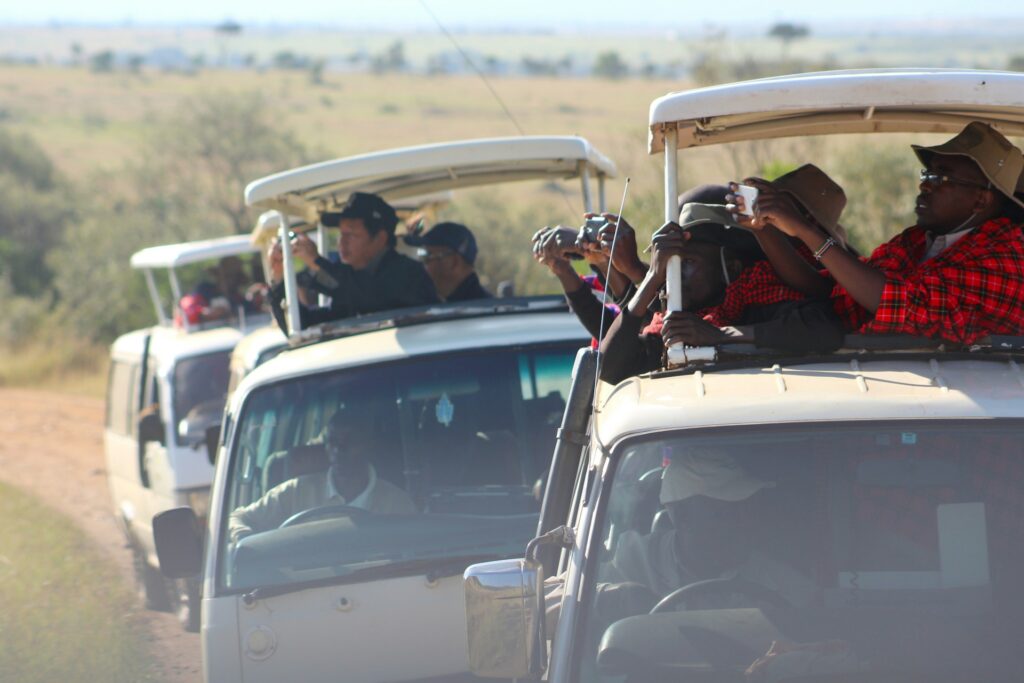
Amboseli is, by wide consensus among wildlife photographers, one of the finest camera destinations in Africa. The reasons are specific and worth understanding before you arrive.
The park’s flat, open topography means you are almost always shooting at ground level with animals in open, unobstructed terrain — no trees blocking subjects, no tall grass forcing high-angle shots. The background is consistently clean: open plains, swamp reflections, or the mountain. And the light, in a semi-arid landscape at altitude close to the equator, is extraordinary at the right times of day.
Golden hour (6:00–8:00 AM and 4:30–6:30 PM) produces the warm, directional light that makes dust and mist glow, that turns elephant skin from grey to bronze, and that gives the plains a quality that midday shooting simply cannot achieve. These are your hours.
Kilimanjaro’s cloud pattern follows a fairly predictable daily rhythm: typically, clear at dawn, developing cloud bands around the upper slopes by mid-morning, clearing again in the late afternoon. Arrivals at 5:30 AM to catch the mountain in full before the clouds build pays off consistently during dry-season visits. January and February are considered the peak months for clear mountain views.
For elephant close-ups, a 300–500mm telephoto gives you intimate working distances without pressure to move the vehicle uncomfortably close to the herds. For landscapes with elephants in context — the Kilimanjaro panoramic shots — a 24–70mm gives you the breadth. Bring both. You will use both, probably on the same morning.
A note on drone photography: drones are not permitted within Kenya Wildlife Service parks without specific permits. Do not attempt to fly one in Amboseli; the penalties are serious and the disruption to wildlife significant.
Is Amboseli Worth It? The Straightforward Answer
Yes — with a specific understanding of what Amboseli is and is not.
Amboseli is not a general-purpose wildlife park where you come to tick the Big Five in minimum time. Go to Tsavo or the Mara for that. Amboseli is a park with a very specific, very powerful identity: the elephants, the mountain, the research history, the Maasai cultural context, and the extraordinary intimacy that the open terrain makes possible.
Visitors who come knowing what Amboseli is — and give it two or three nights — consistently describe it as among the most meaningful wildlife experiences of their lives. Visitors who arrive expecting the Maasai Mara in smaller packaging leave slightly underwhelmed.
Know what you’re coming for. Come for it properly. And then stand on Observation Hill at 6:30 in the morning while the sun rises over the plains and the elephants move toward the mountain, and decide for yourself whether the title of this article oversold it.
It doesn’t.
Ready to plan your Amboseli safari? Request a custom Kenya itinerary that combines Amboseli with the Maasai Mara, Tsavo, or the Kenyan coast here.