
Close your eyes for a moment. It is Christmas morning. Imagine a December morning without a living room full of wrapping paper. In contrast to the usual cold, you are not shoveling a car out of frozen slush. Instead, you are sitting on a canvas chair in an open safari vehicle. The sun is rising over the Maasai Mara. Suddenly, an enormous lion walks across the road just forty meters away. Crucially, the cat seems unhurried and indifferent to your presence. Ultimately, this experience is the heart of Kenya’s holiday season. Somewhere back at camp, your guide has already told you that the chef is preparing a Christmas feast. There will be nyama choma, and there will be champagne, and there will be Maasai dancers performing around a fire under a sky so full of stars it makes you forget cities exist.
This is what Christmas looks like when you say yes to Kenya.
December is not traditionally the first month people think of for an African safari. The summer migration crowd has gone home, the short rains have only just cleared, and most people’s December imagination runs to family, fireplaces, and cold-weather ritual. What they don’t know — and what this guide exists to tell them — is that December in Kenya is spectacular.
The landscape has just been washed by the November rains and sits in a lush, photogenic greenness that the dry-season months don’t offer. Game viewing is excellent across most parks. The coast is hitting its stride after the rains, with clear warm water and glorious beach conditions. And every safari lodge, bush camp, and beach resort in the country throws the kind of Christmas and New Year celebration that requires very little effort from you and delivers an enormous amount of magic.
You also happen to be sharing it with Kenya’s own extraordinary festive culture — one of the warmest, most joyfully communal celebrations on earth, in a country that does warmth and community better than almost anywhere.
Why December in Kenya Is Better Than You Think
Let’s deal with the practical questions first.
The weather: Kenya straddles the equator and experiences two rainy seasons — the long rains from April to June and the short rains in October to November. By December, the short rains are typically over, and the country enters a period of warm, dry, largely sunshine-filled days that extend through January and February. Temperatures across most safari areas run between 20°C and 28°C during the day — game drives in the Maasai Mara start in cool morning air while Amboseli National Park offers clear views toward Mount Kilimanjaro. The coast, with temperatures around 25–30°C, is in excellent beach season.
The wildlife: December is not migration season in the Mara — the wildebeest are back in Tanzania’s Serengeti for the calving season — but this does not mean poor wildlife viewing. The resident wildlife populations in the Mara are extraordinary year-round. Amboseli in December and January are exceptional, with good Kilimanjaro visibility and the elephants predictably concentrated around the swamps. Tsavo, Samburu, and Laikipia are all excellent. The lush post-rain landscape brings additional color and a photogenic quality that dry-season visits lack.
The festive atmosphere at lodges: Kenya safari lodges take the festive season very seriously. In fact, the effort they put into Christmas and New Year programming is genuinely impressive. Luxury camps offer a variety of unique activities. For example, you can enjoy tree lighting ceremonies and cocktail parties by the pool. These events often feature mulled wine or champagne breakfasts in the bush.
Additionally, families can participate in treasure hunts and bush games for children. Furthermore, New Year celebrations often include bonfire dinners with traditional Maasai dancers. This creates a festive atmosphere that simply cannot be replicated anywhere else. Consequently, you will go to bed on Christmas night having seen many spectacular things. Ultimately, you will feel a deep and unusual sense of happiness.
The Booking Reality: Plan Far Ahead
There is one thing about a Kenya December holiday that requires absolute candor: for Kenya’s peak holiday season, booking 6–9 months ahead is essential. Popular accommodations typically reach capacity 8–12 months before the festive period, with most Christmas and New Year safaris fully booked by March or April.
This is the festive season reality. December is peak season — alongside the July–October migration period, it is the most expensive and most booked-out window in the Kenyan calendar. The premium over shoulder-season rates at top Maasai Mara lodges can be significant, and the availability cliff is real.
The practical advice: if you are reading this and your December travel is more than eight months away, you have time. Start now. If it is less than that, work immediately with a tour operator who can navigate availability across multiple properties and find you the best options that remain.
The early-to-mid December window (1st to around 19th December) is often a smart compromise — you access the excellent game viewing, the lush landscape, and the festive atmosphere at the lodges, but at rates that are often closer to high-season than peak-season pricing. You can expect low or mid-season pricing throughout November and into the first couple of weeks of December — sneak your visit in before the 20th December to take advantage of this lovely little pre-Christmas pause.
On Safari for Christmas: Where to Go
The Maasai Mara
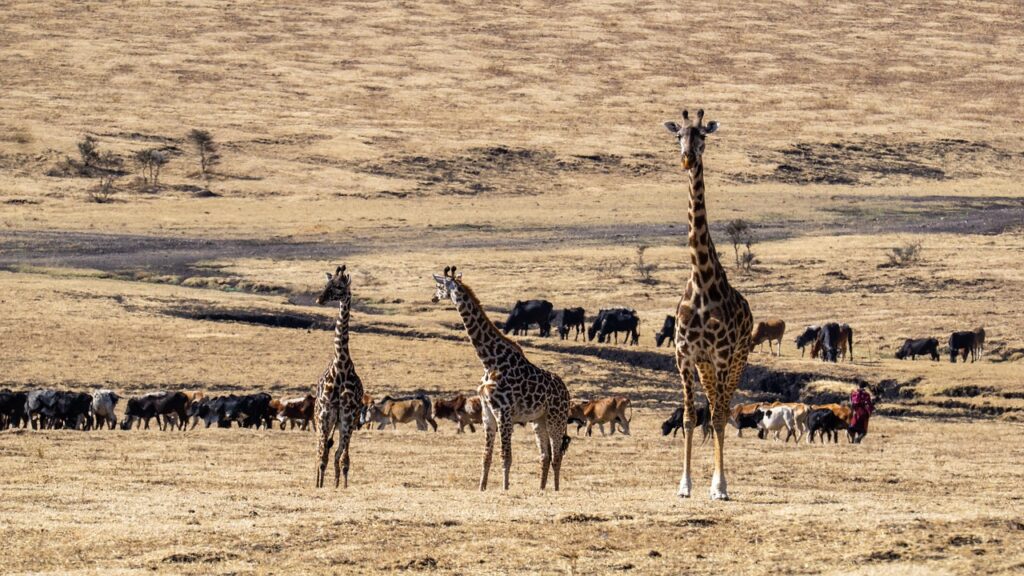
The flagship. Even without the migration, the Mara in December is a world-class safari destination — resident lion prides, large herds of resident wildebeest, zebra, and buffalo, and a year-round cheetah population that becomes particularly active in the post-rain months when conditions suit their hunting style.
Christmas in the Mara carries a specific magic. The lodges pull out every stop — outdoor Christmas dinners with the plains as a backdrop, Maasai cultural performances by firelight, bush walks with guides who have worked this landscape for decades and know exactly how to make Christmas morning unforgettable.
The private conservancies bordering the reserve — Naboisho, Olare Motorogi, Mara North — offer the added advantage of fewer vehicles, night drives, and walking safaris during the festive period. If budget allows, this is the way to experience Christmas in the Mara.
Amboseli National Park
Amboseli in December and January are the park at its most photogenic. The short rains have ended, the landscape is green, Kilimanjaro frequently clear in the early mornings, and the elephant herds are concentrated around the permanent swamps. The festive period brings a warm, unhurried atmosphere to Amboseli’s lodges — Christmas dinners at Ol Tukai Lodge or the Amboseli Serena with Kilimanjaro visible through the open-sided restaurant walls is an experience that photographs and memories preserve equally well.
Samburu National Reserve
Samburu is an excellent December destination — the post-rains bring birds to the reserve in exceptional numbers, the Ewaso Ng’iro River remains reliable, and the lower visitor density compared to the Mara makes game drives feel private even during the festive season. A Samburu Christmas for the traveler who has done the Mara and wants something different is one of our strongest recommendations.
Laikipia Plateau
The conservancies of the Laikipia Plateau — Ol Pejeta, Lewa, Borana, Ol Donyo — offer a December safari experience that is both excellent and underused during the festive period. Ol Pejeta in December means black and white rhino, chimpanzees at the sanctuary, wild dogs, and elephants — all in a conservancy that is genuinely beautiful in the post-rain green. Lewa in December brings Grevy’s zebra, lion, and some of the finest horseback safari terrain in Kenya. These are not backup options. They are outstanding choices.
The Kenyan Coast

December marks the beginning of Kenya’s finest beach season. The short rains have cleared, the Indian Ocean is warm and clear, and the trade winds provide an agreeable coastal breeze without the roughness of the monsoon months.
Diani Beach is at its best — the water is clear, the beach its characteristic dazzling white, and the resorts fully in festive mode. Christmas Day at Diani combines beach, seafood, and the warm, celebratory atmosphere of a Kenyan coast resort doing its best work.
Watamu in December is exceptional — the whale shark season is beginning, the marine park visibility is excellent, and the Mida Creek bioluminescence is at peak season. A December Watamu visit combines snorkeling, whale shark encounters, Gede Ruins, and a New Year’s Eve on the coast that costs a fraction of what major beach destinations elsewhere charge.
Lamu in December is deeply special. The island dhow racing season runs in conjunction with the festive period, the Old Town is dressed in its own understated seasonal spirit, and the experience of spending Christmas in a car-free, centuries-old Swahili island town is genuinely unlike anything else Kenya — or anywhere — offers. Book early: Lamu accommodation is limited and fills early for the festive period.
Kenya’s Own Christmas: What You’ll Witness Locally
If you are travelling in Kenya over Christmas, you are not merely an observer of a landscape and its wildlife. You are a witness to one of East Africa’s great annual celebrations — and understanding what is happening around you makes the experience immeasurably richer.
The upcountry exodus: Starting around 20 December, Kenya’s major cities experience a massive seasonal migration. In fact, millions of urban residents pack onto buses, matatus, and trains. These workers and students head toward their ancestral rural homes, known as ushago. Consequently, highway traffic becomes extraordinary during this time. To cope with the demand, the Madaraka Express often runs additional services.
Essentially, the country empties out of its cities and fills up in the countryside. Furthermore, this movement is not merely logistical. Instead, it serves as a profound cultural act. This journey represents the annual reaffirmation of ties between urban and rural lives. Ultimately, it shows a connection that modernization has never fully severed.
If you are driving between parks in the days around Christmas, build in extra time. The roads are busy, cheerful, and full of people going home.
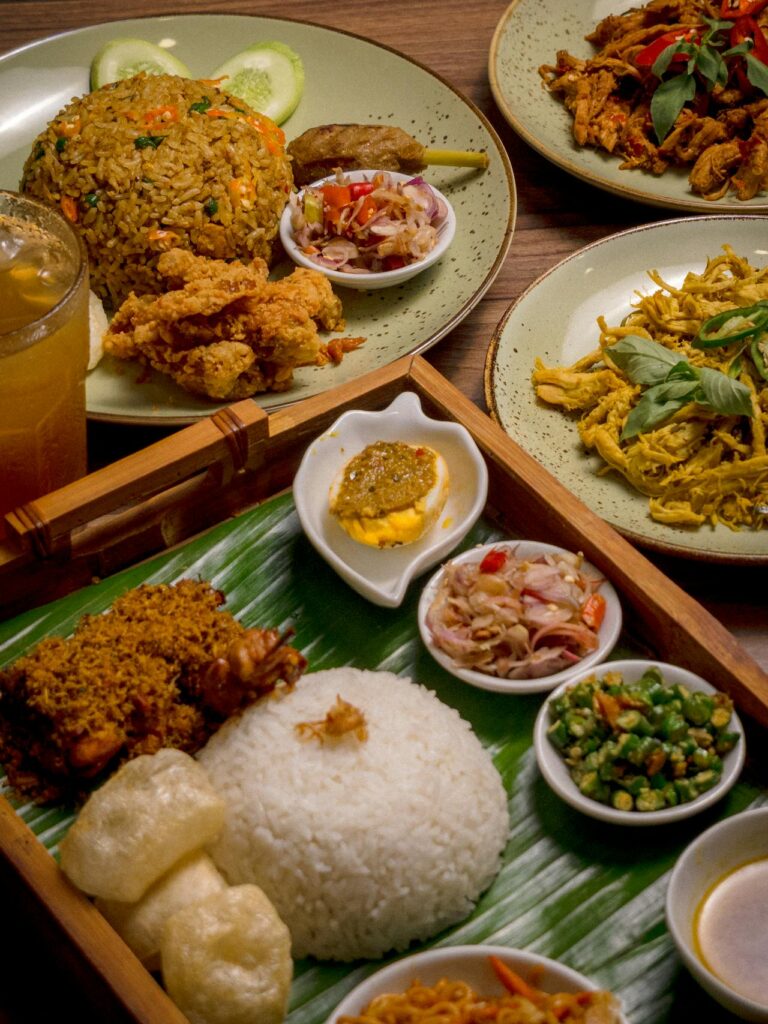
Christmas Day food: The central event of Kenyan Christmas is lunch — a communal feast that begins around 2 PM, continues deep into the afternoon, and features a cast of dishes that varies by region but always centers on generosity. Nyama choma — slow-roasted goat or beef over charcoal — is the national Christmas food. It is served with ugali (the maize meal staple), kachumbari (fresh tomato, onion, and coriander salad), and mountains of chapati (soft, layered flatbread that Kenya’s women spend considerable Christmas morning energy competing to perfect).
In Central Kenya, muthokoi and a rich meat stew anchor the Kikuyu table. Similarly, in Nyanza, a unique beef stew enriched with groundnut paste joins the feast. In contrast, Swahili influences dominate the celebrations on the coast. Specifically, families enjoy pilau, biryani, and vitumbua. Fresh seafood prepared in coconut cream is also a popular choice.
Furthermore, the act of slaughtering a goat or chicken carries deep symbolic weight. This task is usually performed by the head of the household. Consequently, this ritual serves as an expression of abundance and thanksgiving. Ultimately, Kenya’s festive food traditions bring families together through shared history and flavor.
Church: Christmas Eve in Kenya belongs to the church. All-night services (kesha) bring communities together for hours of prayer, Swahili carols, nativity plays performed by children in bedsheet costumes, and the kind of singing — deep, harmonized, filling whatever building contains it — that those who experience it remember for the rest of their lives. Kenya is a deeply Christian country, and Christmas Eve prayer is the spiritual anchor of the season.
Boxing Day: Treated with nearly the same seriousness as Christmas Day itself. Families regroup, fresh meals are cooked (leftovers are almost unknown), neighbors visit, and the feasting continues. For the traveler spending the days around Christmas in Kenya, Boxing Day is often the best day to encounter local celebrations — Christmas Day can be somewhat contained within family compounds, while Boxing Day sees the social world expand.
New Year’s Eve: The coast goes spectacularly loud for New Year’s Eve. Beach parties in Diani, Malindi, and Mombasa are full-scale events. Safari lodges in the Mara and Amboseli typically offer bonfire dinners and Maasai cultural celebrations. And Nairobi’s Westlands restaurant and bar scene, normally good, reaches particular heights for New Year’s Eve.
The December Wildlife Calendar: What You’ll Actually See
Maasai Mara (December): No migration crossings — those happen July to October. But the resident big cat population is fully active, and December brings good predator viewing as the post-rain grass growth begins to concentrate prey animals. Elephant sightings are reliable. Cheetahs are particularly visible on the shorter-grass areas of the conservancies.
Amboseli (December–January): Kilimanjaro is frequently cloud-free in morning hours. Elephant herds are concentrated around the Enkongo Narok and Longinye swamps. December and January produce some of the year’s finest Amboseli photography conditions.
Samburu (December): The post-rain period brings excellent birdwatching as migrants arrive. The Special Five are reliably visible year-round. The Ewaso Ng’iro River maintains its wildlife concentration. A generally quieter month makes for an intimate, uncrowded Samburu.
Tsavo (December): The landscape is green, which can make game viewing slightly harder but produces extraordinary photographic conditions. The red elephants against green scrub, rather than red dust, are a different but equally striking visual. Ngulia Bird Ringing Station in Tsavo West reaches its peak in October–November, but migratory birds remain present into December.
Diani and the coast (December onwards): Excellent beach conditions. Water temperature warm, visibility good, whale shark season beginning at Watamu. Diani’s kitesurfing season in full swing. The festive atmosphere at beach resorts at its peak.
Jamhuri Day: Kenya’s Independence and Pride
Kenya’s holiday season begins, properly, on 12 December. This date marks Jamhuri Day. Specifically, it celebrates the declaration of the Republic of Kenya in 1963. In fact, it is a public holiday of genuine national significance. It features military parades and presidential addresses. Additionally, community celebrations and national pride add an extra dimension to the atmosphere.
For international visitors, Jamhuri Day provides a remarkable window into the country’s identity. Moreover, it highlights the pride and aspirations that shaped the post-independence story. Consequently, the day offers deep insight into the local culture. In a very real sense, it represents the true beginning of the festive period.
Practical Planning for a Kenya Festive Season Trip
Book early. The single most important advice. Aim for six months ahead as a minimum; eight to twelve months is better for peak lodge dates like 24–26 December and 31 December.
International flights: International flights during Kenya’s holiday season are often expensive. In fact, seats tend to book up very early. Therefore, you should consider mid-week departures to save money. Additionally, travel in early-to-mid December is usually less expensive than Christmas week.
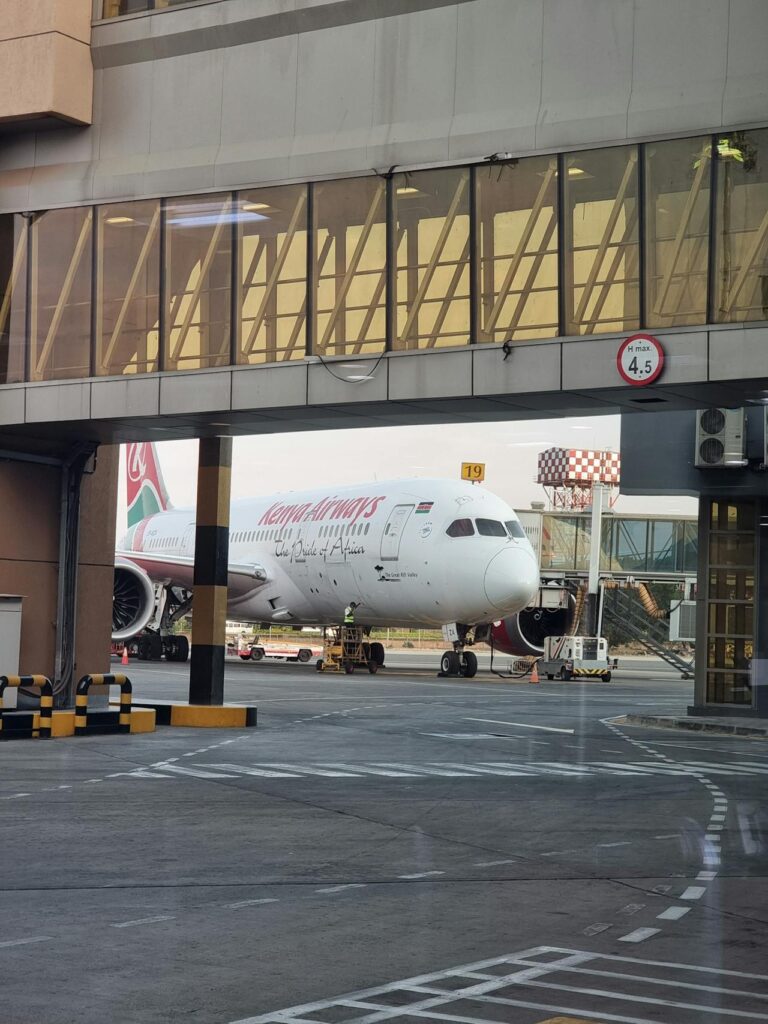
Several major airlines serve Nairobi from global hubs. For example, British Airways, KLM, and Emirates offer regular flights. Furthermore, Qatar and Kenya Airways provide excellent connections. Ultimately, booking your tickets well in advance will help you secure the best possible rates.
Combine safari and coast. A December itinerary should combine four to five nights on safari. For instance, you could visit the Mara, Amboseli, or Samburu. Afterward, spend four to five nights on the coast. Specifically, Diani, Watamu, or Lamu are excellent choices. In fact, this combination shows Kenya’s holiday season at its absolute best.
The contrast between savannah mornings and Indian Ocean evenings is incredible. Moreover, this is one of the country’s greatest travel pleasures. Additionally, the December weather makes both halves of the trip exceptional. Ultimately, this balance offers a perfect mix of adventure and relaxation.
Domestic logistics: Domestic logistics require careful planning during Kenya’s holiday season. Specifically, the upcountry exodus around 23–26 December creates significant road congestion on major highways. Therefore, you should build in extra time if your itinerary involves road transfers. Alternatively, you might consider taking domestic flights between your destinations.
In addition, the Madaraka Express train from Nairobi to Mombasa is an excellent option. In fact, it provides a reliable alternative to the road for those heading to the coast. Ultimately, choosing the right transport will ensure your holiday remains stress-free and enjoyable.
Altitude on Christmas Day: If you are spending Christmas at altitude — the Aberdares, Mount Kenya foothills, or the Laikipia Plateau — prepare for cool evenings. Christmas morning at Ol Pejeta or Lewa can be genuinely cold before the sun rises. Bring layers. The contrast with the baking midday heat is part of the experience.
The Magic the Lodges Provide: What to Actually Expect
The festive programming at Kenya’s top safari properties has evolved considerably, and it is worth understanding specifically what is on offer — because the quality genuinely transforms a December game drive into a December Christmas.
At the luxury tier, the programming typically includes: a Christmas Eve cocktail event (often poolside, with the savannah extending beyond the terrace into the dark); Christmas Day starting with an early game drive before breakfast, returning to the camp to find it decorated and a feast underway; a formal Christmas lunch served al fresco under an acacia or fever tree; afternoon activities or a second game drive; and an evening celebration with Maasai or local cultural performers and a bonfire. The guides and camp staff, who have often worked at these properties for many years, bring their own warmth and personality to Christmas in a way that mass-market resort programming simply doesn’t.
New Year’s Eve tends toward the dramatic — bush dinners under the stars, countdown moments with the African dark in every direction, and a champagne toast that feels meaningfully different from any urban equivalent. Some properties add fireworks (carefully managed to minimize wildlife disturbance). Others rely on the simple, profound fact of being in one of the world’s great wildernesses at midnight on New Year’s Eve.
At mid-range camps, the programming is simpler but no less warm. Kenya’s bush camp culture — the communal fire, the storytelling, the staff who take genuine pride in creating a memorable experience — adapts beautifully to the Christmas occasion. A Christmas dinner at a mid-range Mara camp with a skilled cook and genuinely attentive staff will outperform a luxury dinner with indifferent service every time.
For families with children, the lodges offering dedicated kids’ programming during the festive period deserve special mention: treasure hunts in the bush, guided walks explaining wildlife tracks, sunset drives with dedicated children’s snack boxes, and the kind of Christmas-morning excitement that children who wake up to elephants outside their tent remember for the rest of their lives. Amboseli and the Maasai Mara have the widest family programme options.
For Kenyans Coming Home: The Christmas Safari Option
December is also when Kenyans living abroad come home in the largest numbers — and the Christmas safari has become a genuine tradition for Kenyan diaspora families combining the ushago visit with a safari that the whole extended family can share.
This is one of the more joyful aspects of Kenya’s festive season: multi-generational Kenyan families on game drives together, grandparents experiencing the parks for the first time, cousins meeting across international borders, all unified by the experience of watching a lion cross the Mara plains on Christmas morning. If you are Kenyan and reading this from abroad, you already know what this paragraph is about. Book early. Bring everyone. Kenya in December is worth every bit of the logistical effort.
The Case for Kenya at Christmas
Kenya at Christmas is not a compromise. It is not a travel decision made by people who couldn’t face another December at home. It is a conscious choice to experience the most celebrated season of the year in one of the most beautiful landscapes on earth, surrounded by some of the most genuinely festive people on the planet, with wildlife access that no cold-weather Christmas destination can begin to match.
Under a fever tree on Christmas morning, with elephants in the distance and the sound of Swahili carols drifting from the lodge behind you — this is not what you expected Christmas to feel like. It is better.
Start planning now. The fever tree will be waiting.
Planning a Kenya Christmas or New Year? Enquire about December packages — the earlier you start, the more likely it can be delivered.
Related Articles
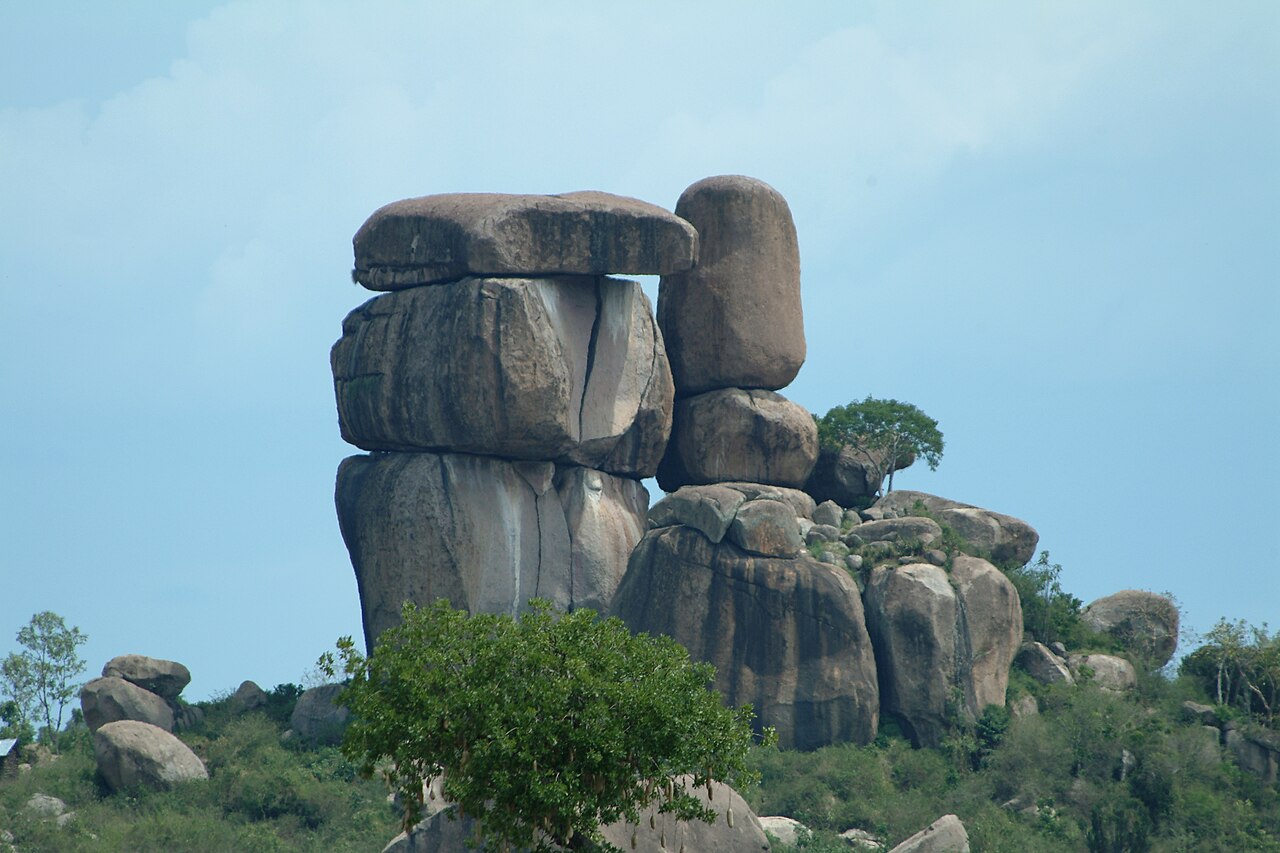
Kit Mikayi and the Crying Stone: Why Kenya’s Sacred West Deserves Your Attention
There is a rock formation about 30 kilometers west of Kisumu that has been pulling people toward it ...
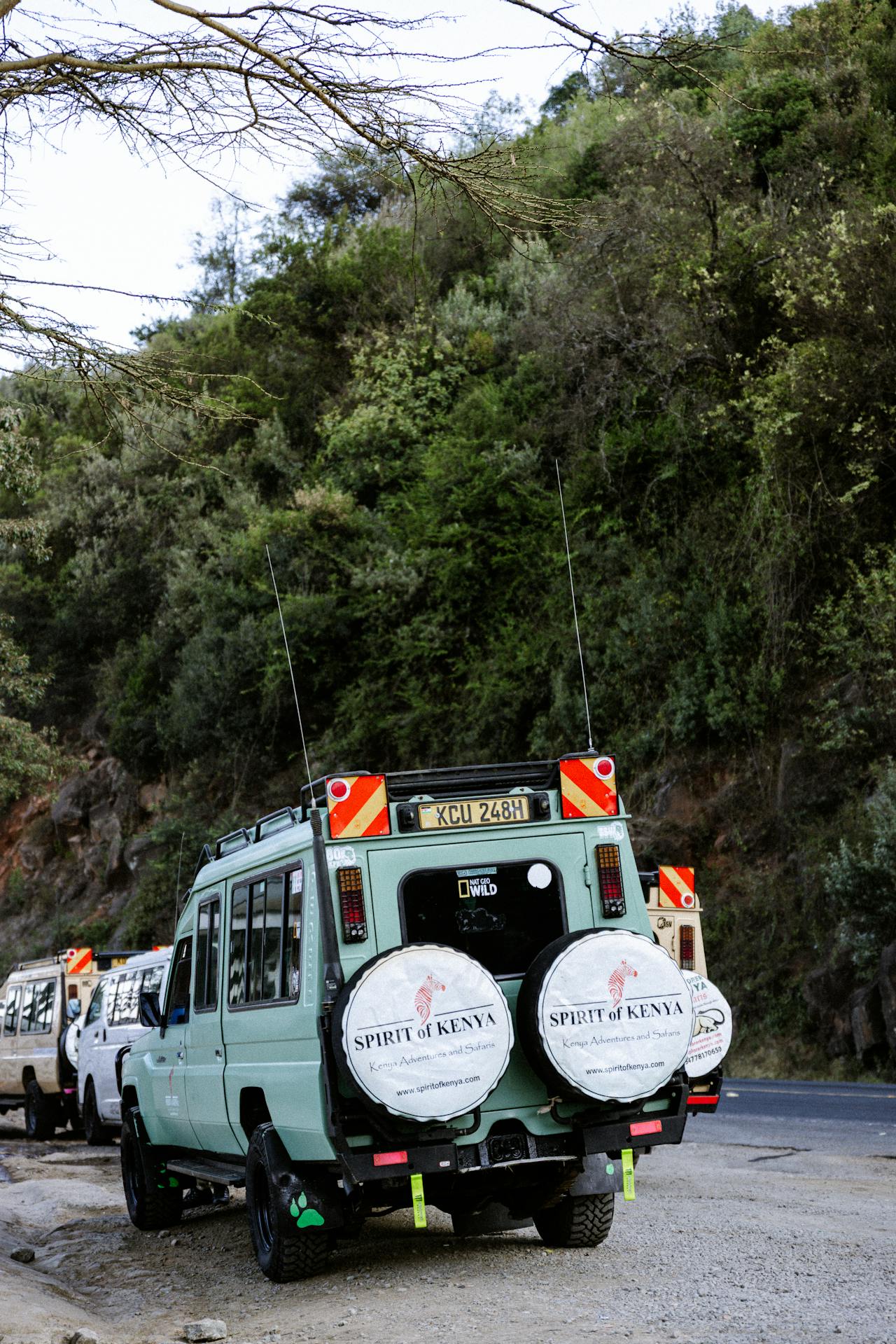
Before You Book Kenya, Read This First
Here’s the thing about Kenya: people book it wrong all the time. Not the safari itself — the e...
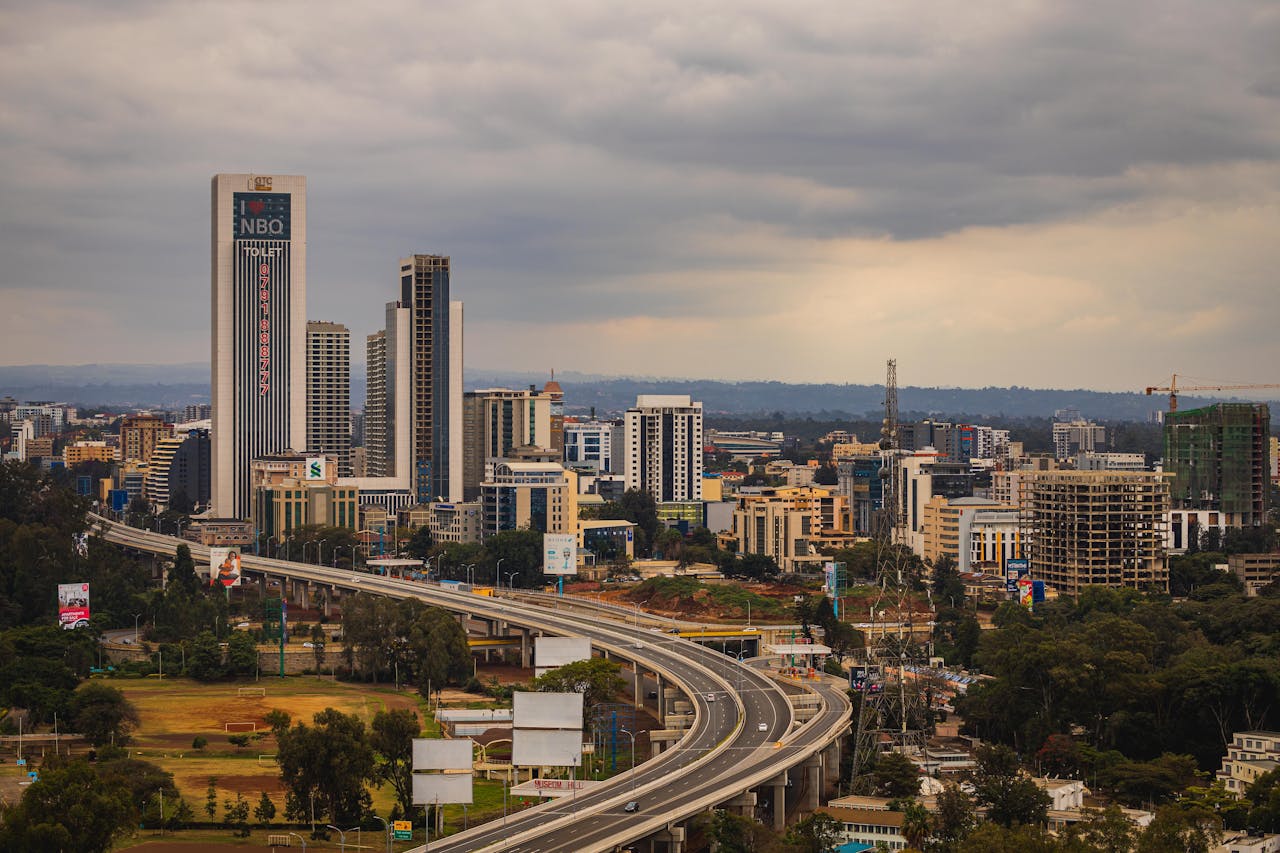
Nairobi Is Not a Stopover. It Is the Destination.
Most people arrive in Nairobi intending to leave it as quickly as possible. The flight lands at Jomo...
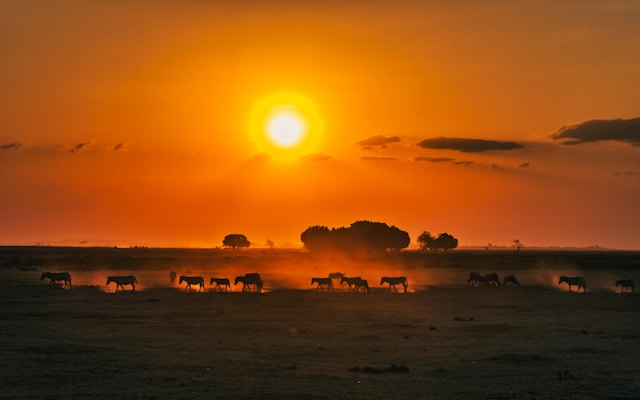
Swept Away in Kenya: What Happens When You Finally Say Yes to Africa
Every person who sets foot in Kenya experiences a moment where time stops. Specifically, imagine sit...