
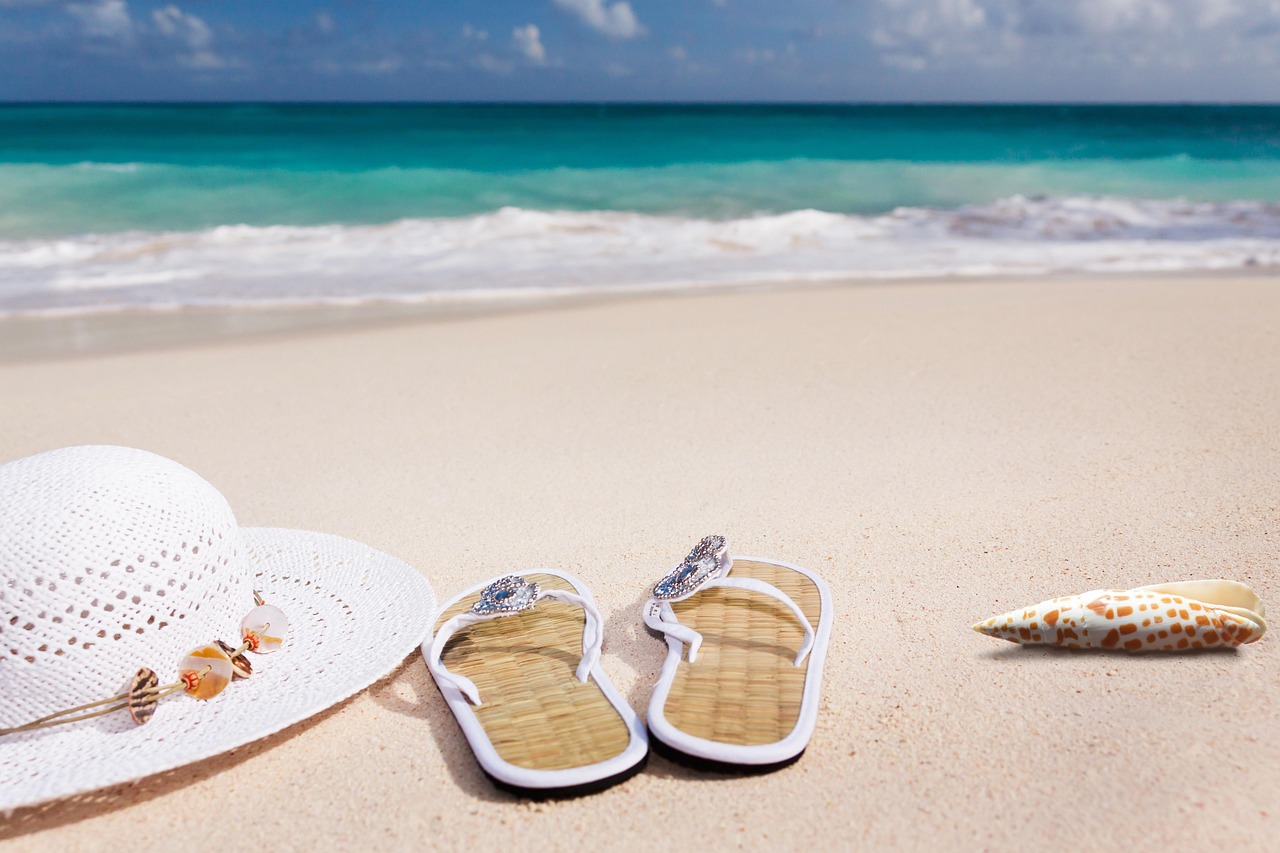
You will realize Diani Beach Kenya is unlike any other destination the moment your feet touch the sand. In fact, the sand feels impossibly soft underfoot. This texture makes you stop mid-step just to confirm the sensation. Furthermore, the color is almost luminous. It is the kind of white that usually exists only in a photographer’s edit. Consequently, the water appears in every shade of blue and green at once.
When you look to the left, twenty-five kilometers of this coastline stretches before you. Similarly, the view to the right is just as breathtaking. You will see swaying palms and feel a warm breeze carrying the scent of frangipani. Meanwhile, the Indian Ocean glitters like a broken mirror all the way to the horizon. Ultimately, this scenery explains why Diani remains a top global destination.
This is Diani Beach.
And yes — it will ruin every other beach for you. Permanently. Irreversibly. Wonderfully.
Diani Beach has been voted Africa’s Leading Beach Destination at the World Travel Awards for multiple years, most recently in 2024 — the latest in a long and unbroken streak of recognition that stretches back well over a decade and places this stretch of Kenya’s south coast firmly in conversation with the world’s greatest beaches.
But awards don’t capture it. Numbers don’t capture it. Only the sand between your toes and the water around your waist comes close. This guide is the next best thing.
Where Is Diani Beach, and How Do You Get There?
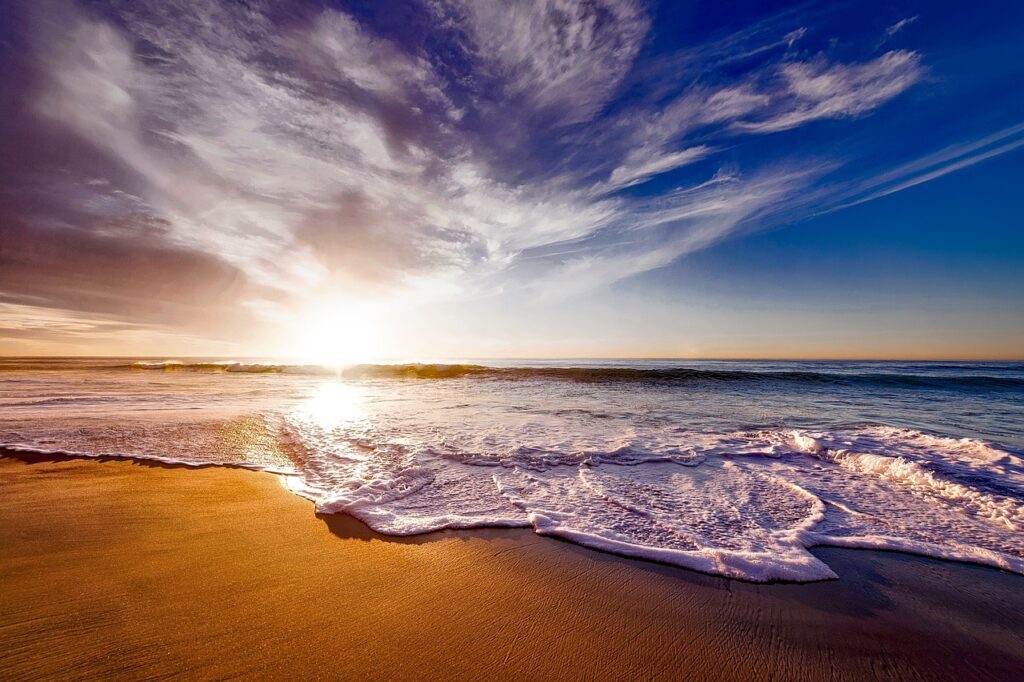
Diani sits on Kenya’s south coast, about 30 kilometres south of Mombasa, accessed either by ferry across the Kilindini Channel or by direct flight to Ukunda Airstrip — a short domestic hop from Nairobi or Wilson Airport that takes around 45 minutes and delivers you, with almost comic efficiency, from city traffic to the sound of the Indian Ocean.
The Ukunda airstrip is arguably the better option for visitors with limited time. Fly in, step outside, and within 15 minutes you can be on the beach. Several charter operators including SafariLink and AirKenya run scheduled services from Nairobi’s Wilson Airport and from Amboseli, making a combined safari-and-beach itinerary genuinely seamless.
If you’re arriving via Mombasa, the Likoni Ferry crossing is a cultural experience in itself — a brief passage across the busy channel on a crowded, clanging vehicle ferry, touts and vendors everywhere, dhows drifting past. From the ferry terminus, Diani is a 20–30 minute matatu or taxi ride south.
Getting around Diani itself is easy. Tuk-tuks (three-wheeled motorised rickshaws) operate up and down the beach road and are the best way to get between resorts, restaurants, and activity centres. Boda-bodas (motorcycle taxis) are faster but less recommended for luggage or night travel. Most resorts will arrange transfers.
The Beach Itself: What Makes It Different
There are good beaches in East Africa. Zanzibar’s Nungwi and Kendwa are beautiful. Watamu further up Kenya’s coast has its devotees. Malindi has a laid-back charm all its own.
But Diani occupies a different category.
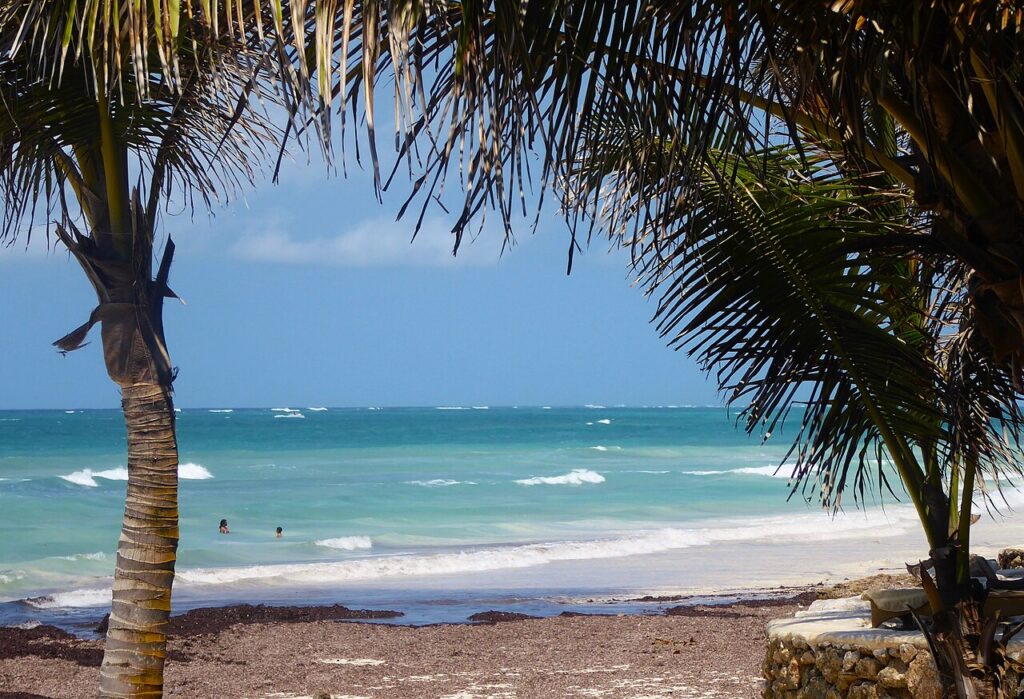
The stretch runs for approximately 25 kilometres in a gentle, near-perfect crescent. The sand is coral-derived — crushed over millennia into a powder so fine it stays cool underfoot even in midday heat. There are no rocks to navigate, no seaweed problems in the calm season, no harsh drop-offs. The beach shelf is gentle, making it safe and accessible for swimmers of all levels.
What makes the water so strikingly clear is the offshore reef system. The Diani Marine Park — a protected area of coral garden — acts as a buffer, keeping the inshore lagoon calm, warm, and largely free of the larger swells that batter more exposed coastlines. The water temperature hovers between 25 and 29 degrees Celsius year-round. You will never be cold.
The beach is also, comparatively speaking, uncrowded. Unlike the great beach destinations of South-East Asia or the Mediterranean — where peak season means shoulder-to-shoulder bodies and no sand in sight — Diani retains a generousness of space that feels almost old-fashioned in the best possible way. You can walk for an hour and not feel pressed.
The Water: Snorkelling, Diving, and Marine Life
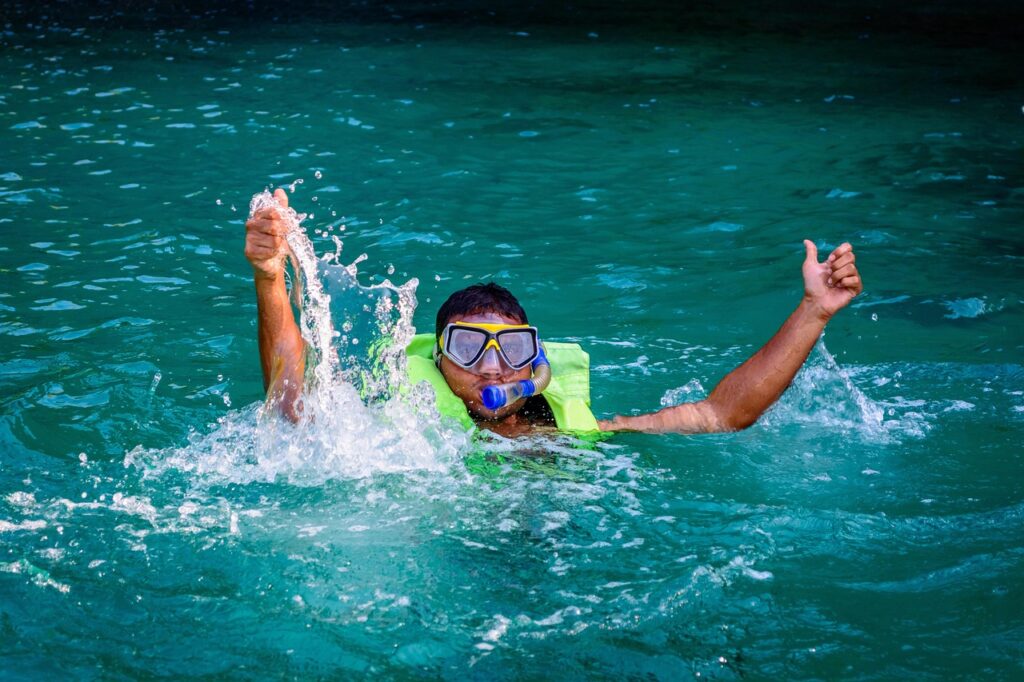
The underwater world off Diani Beach Kenya is as vivid as anything above the surface. In particular, the coral reefs of the Kisite-Mpunguti Marine National Park are among the finest in the country. You can reach this park by a short boat trip south. Furthermore, these reefs support extraordinary marine biodiversity. As a result, snorkeling here provides a close-up look at vibrant fish and sea turtles. Additionally, the clear water ensures perfect visibility for divers and photographers alike.
Snorkelling directly from the beach or via glass-bottom boat gives access to healthy shallow coral gardens populated by parrotfish, sergeant majors, triggerfish, moray eels, and occasional sea turtles. The visibility on a calm day is exceptional.
Scuba diving opens up a more dramatic world. The offshore reefs drop to significant depths and host schools of barracuda, large grouper, eagle rays, and regular encounters with dolphins. From approximately November through March, whale sharks — the world’s largest fish — move through these waters in numbers that make Diani one of East Africa’s best whale shark destinations. Dives with whale sharks, which are filter-feeders and entirely harmless, rank among the most extraordinary experiences in global diving.
Several dive operators along the beach road offer PADI courses from beginner through to divemaster level. Whether you’re making your very first open-water dive or you’re a seasoned underwater photographer, the infrastructure is in place.
Dolphin watching and swimming is one of the most popular activities in Diani, with early-morning boat trips heading south toward Kisite-Mpunguti, where spinner and bottlenose dolphins are reliably present in the deeper water beyond the reef edge. These are wild animals and encounters are not guaranteed — but sightings are frequent and the experience of watching dolphins bow-ride your wooden dhow as the sun rises over the Indian Ocean is genuinely magical.
Traditional ngalawa sailing offers a unique way to explore the coast. These double-outrigger canoes have been used by Swahili fishermen for generations. Specifically, this is a slower and quieter way to experience the marine environment. Moreover, most trips from Diani Beach Kenya involve a stop for snorkelling in the clear reefs. Afterward, you can enjoy fresh coconuts on a secluded sandbank. Finally, these excursions often conclude with a fresh seafood feast on Wasini Island.
Kitesurfing: Why Diani Is a World-Class Wind Destination
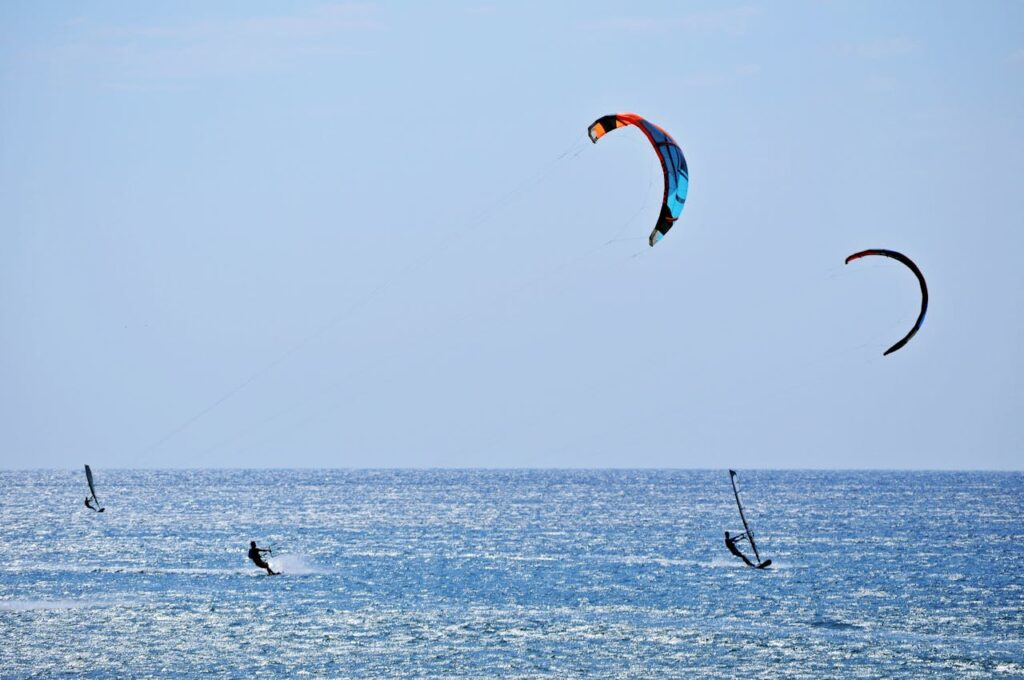
If there’s a single activity that has transformed Diani’s reputation among the global adventure travel community, it’s kitesurfing. This is, by general consensus among the kite fraternity, one of the finest kitesurfing destinations on the planet.
The reason is meteorological. Diani has two distinct and reliable wind seasons, which together cover most of the year.
The Kusi winds blow from the southeast between approximately April and September. Historically, this represents the stronger wind season for the coast. Specifically, consistent 25+ knot winds generate the kind of power that wave riders and advanced kiters dream about. Moreover, the lagoon at Diani Beach Kenya provides plenty of water space for all skill levels. The side-shore wind angle is also nearly perfect for long runs. As a result, this period has become the peak time for adrenaline seekers visiting the area.
The Kaskazi winds from the northeast, active roughly December through March, are lighter at around 15–20 knots — ideal for beginners, freestyle riders, and flatwater kiting in the sheltered lagoon.
The beach itself is wide, the sand is firm enough for launching and landing, and the shallow lagoon means that beginners who come off their boards are standing in waist-deep water rather than struggling in the open ocean. For learning, there is perhaps no more forgiving environment in Africa.
Multiple kite schools along the beach offer equipment hire, lessons, and guided sessions for all levels. The kite community in Diani has grown substantially over the past decade, and the social atmosphere around the kite beach is genuinely warm and welcoming.
Beyond kitesurfing, Diani Beach Kenya offers a wide variety of activities. For instance, you can enjoy jet skiing or windsurfing. You might also try stand-up paddleboarding in the calm lagoon. Additionally, many visitors enjoy kayaking through the mangrove channels to the south.
Furthermore, the area is famous for deep-sea fishing in the Pemba Channel. This is one of East Africa’s most productive big-game fishing grounds. Specifically, marlin, sailfish, yellowfin tuna, and wahoo are all present in season. Consequently, anglers from around the world visit the coast for these world-class opportunities.
On Land: More Than Just a Beach
Diani’s reputation is built on its beach and water, but there’s a surprising amount to do beyond the shoreline that many visitors never discover.
The Colobus Conservation Centre
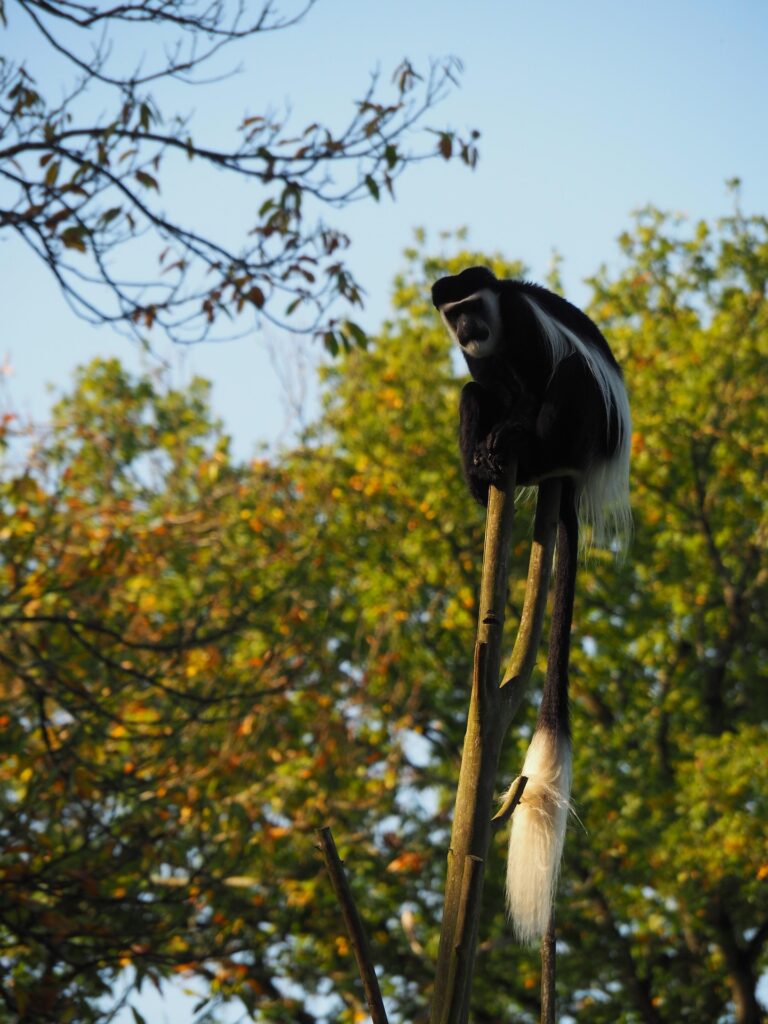
One of the most genuinely moving experiences in Diani. The black-and-white Angolan colobus monkey — a striking, long-tailed primate with a dramatic black-and-white coat and a haunting, roaring call — lives in the coastal forest that lines the Diani beach road. These forests are fragmented and under pressure, and the Colobus Conservation Centre works to protect them while rehabilitating injured and orphaned animals.
A guided walk through the forest sanctuary puts you face-to-face with these remarkable primates at extremely close range. Unlike many primate encounters, this is genuinely educational — the guides explain not just the biology but the conservation challenges and the community work involved in protecting these animals. It’s an hour well spent, and the proceeds directly fund the conservation work.
The forests are also home to vervet monkeys, Sykes’ monkeys, yellow baboons, and if you’re patient and lucky, bushbabies in the evenings.
Kaya Kinondo Sacred Forest
A short drive south of the main beach road leads to a unique cultural experience. In particular, you will find Kaya Kinondo, a sacred forest belonging to the Digo Mijikenda people. This site is part of a series of “Kaya” forests. Historically, these locations served as the original fortified villages for various Mijikenda clans. Furthermore, these forests are now UNESCO-listed World Heritage Sites. Because of this status, they remain vital to the heritage of Diani Beach Kenya and its surrounding areas.
Entry is with a guide only — and deliberately so. The forest has been sacred for centuries, and the protocols around visiting it are not performative tourism but genuine cultural practice. Giant ancient trees filter the light into something cathedral-like. Medicinal plants used by traditional healers grow in the undergrowth. The silence, broken only by birdsong, is remarkable.
This is the kind of experience that reframes Diani from “just a beach” into something considerably more layered and interesting.
The Kongo Mosque
One of the oldest mosques in East Africa, the Kongo Mosque is a 14th-century structure built from coral stone — the same material used in most of Mombasa’s old architecture — surrounded by baobab trees believed to have been planted by Arab traders centuries ago. It is a quiet, evocative reminder that this coast has been a meeting point of cultures, faiths, and trade routes for over a thousand years long before the first sun lounger appeared.
Shimba Hills National Reserve
Approximately 20 kilometres inland from Diani, the Shimba Hills form a highland forest reserve that most beach visitors completely ignore — which is a shame, because it is beautiful and often deserted. The hills are home to the endangered Sable antelope (one of Africa’s rarest and most dramatically horned species), elephants, buffalo, and leopard. A day trip from Diani, combined with a visit to the spectacular Sheldrick Falls, makes for an excellent safari-meets-forest experience without the drive to a major park.
Where to Eat: Diani’s Best Food Experiences
Ali Barbour’s Cave Restaurant
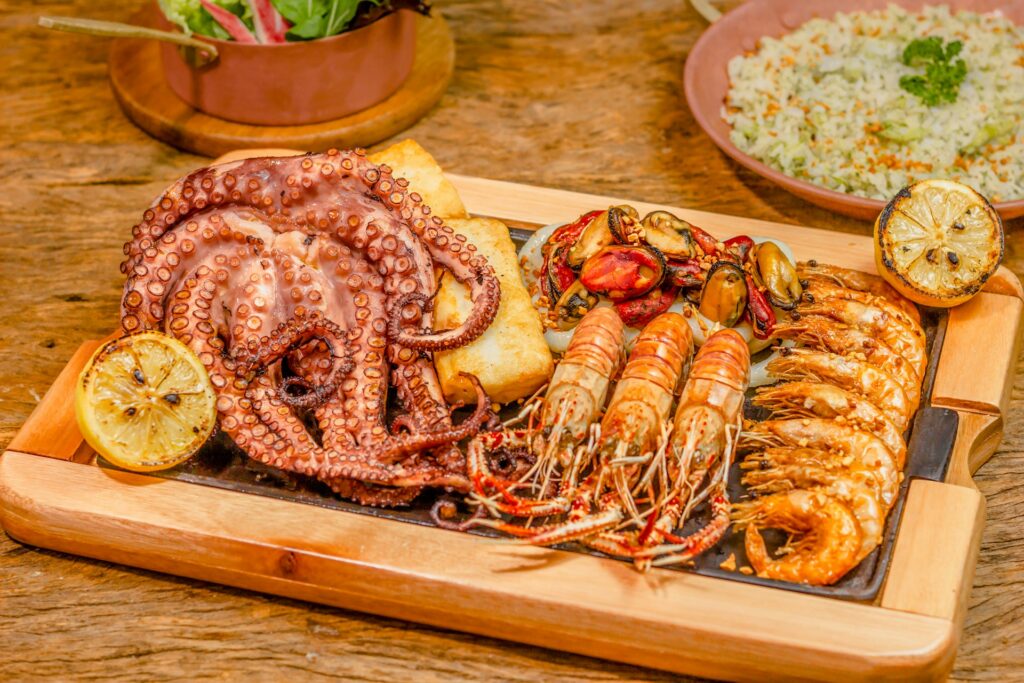
No guide to Diani is complete without this. Ali Barbour’s is set inside an ancient natural coral cave that has been converted into one of Kenya’s most atmospheric dining rooms. The cave itself is thought to be roughly 180,000 years old. Candlelight flickers on coral walls, the sound of the ocean drifts in from outside, and the menu focuses on fresh seafood with Swahili and international influences.
Booking is essential. Dress up a little. It is — quite genuinely — one of the most unforgettable dining experiences in East Africa.
The Beach Restaurants and Bars
Diani’s beach road is lined with options ranging from sophisticated to completely casual. Nomad Beach Bar and Restaurant is a long-standing Diani institution with excellent cocktails and a dreamy sunset position. Forty Thieves Beach Bar draws a lively crowd for beach-side grilling and evening sundowners. Sails Beach Bar is popular with the kite crowd.
For fresh seafood in a less tourist-oriented setting, the local fish market near Ukunda and the small restaurants on the back road serve extraordinarily fresh catch — red snapper, lobster, octopus, and crab — at a fraction of beach resort prices.
Swahili Cuisine
Diani sits within the broader Swahili cultural sphere that runs from Somalia down through Kenya, Tanzania, and Mozambique. Swahili food is an extraordinary fusion — Arabic spices, Indian influences, African ingredients — and it is some of the most underrated cuisine on the continent. Look for pilau (rice spiced with cumin, cardamom, cinnamon, and cloves), biryani, samaki wa kupaka (fish in coconut sauce), mahamri (slightly sweet fried bread), and fresh coconut water from roadside vendors.
Where to Stay: Diani Accommodation by Style
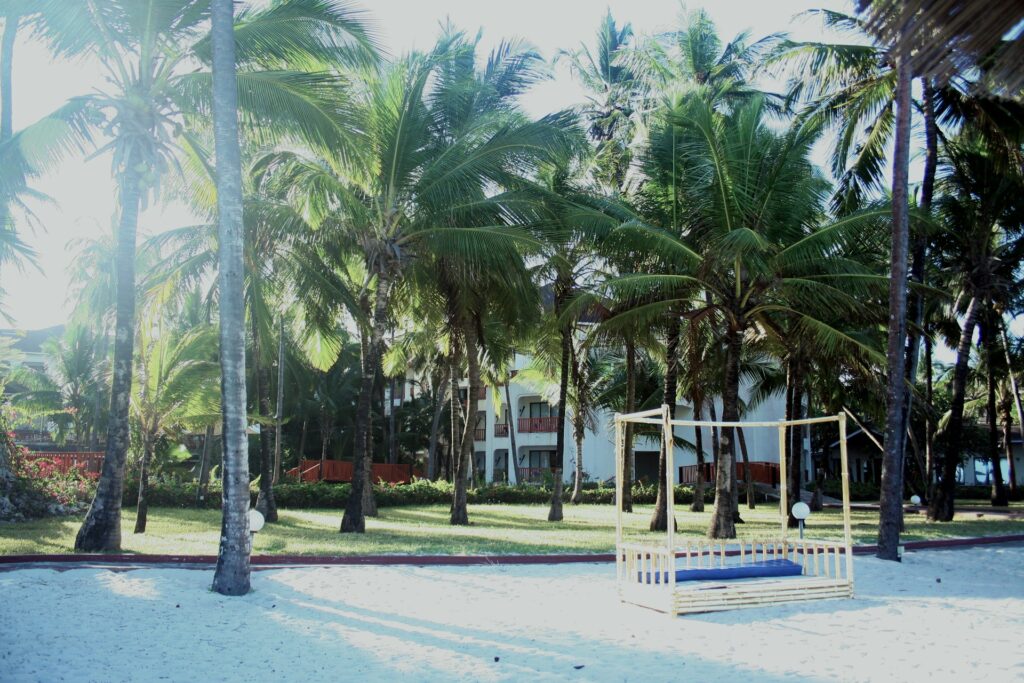
Diani has matured considerably as a destination, and the accommodation landscape now covers every tier of travel.
Luxury resorts — including Diamonds Leisure Beach & Golf Resort (host to the 2024 World Travel Awards Africa Gala), Leopard Beach Resort & Spa, and Baobab Beach Resort — offer everything from overwater villas to expansive beachfront suites, multiple pools, world-class spas, and extensive water sport facilities. Uzuri Spa at several of these properties offers treatments using a blend of African botanicals and international techniques.
Boutique hotels and lodges occupy the sweet spot for many travellers — places like Mwamba Fish Eagle, The Sands at Nomad, and Papillon Lagoon Reef. These offer genuine character, personal service, and direct beach access without the scale of the large resorts.
Budget options exist in abundance around Ukunda and the northern end of the beach road. Guesthouses, self-catering apartments, and small beach bars with rooms above them serve backpackers and budget-conscious travellers well. The beach is free and the ocean doesn’t discriminate — you can have an extraordinary Diani experience at almost any price point.
Private villa rentals have grown enormously as a category — ideal for families, groups, or honeymoon couples who want a private pool, a chef, and a gate between themselves and the rest of the world.
The Honest Guide: Strengths and a Few Things to Know
This guide promises an honest assessment, and honesty requires acknowledgment of a few things.
Jellyfish appear seasonally — typically around April–May and November — and can make inshore swimming less pleasant for a few weeks. Ask locally before you book if you’re extremely sensitive to this.
Seaweed is not generally a problem on the southern stretches of Diani’s beach, but can appear seasonally near the northern end. Most resorts manage this actively.
Hakuna Matata: Touts operate on the beach road and near high-traffic spots, and persistent offers for boat trips, curios, and activities can feel overwhelming at first. A polite but firm “La, asante” (No, thank you) works well, and most local traders are entirely good-natured once they understand you’re not interested. The hassle factor in Diani is mild compared to many global beach destinations.
Security: Diani has improved significantly as a destination over the past decade and is considered among Kenya’s safest tourist areas. Standard common-sense precautions apply — don’t walk the beach alone after dark, keep valuables secured, and take taxis after sunset rather than walking.
Wellness, Adventure, and the Finer Things
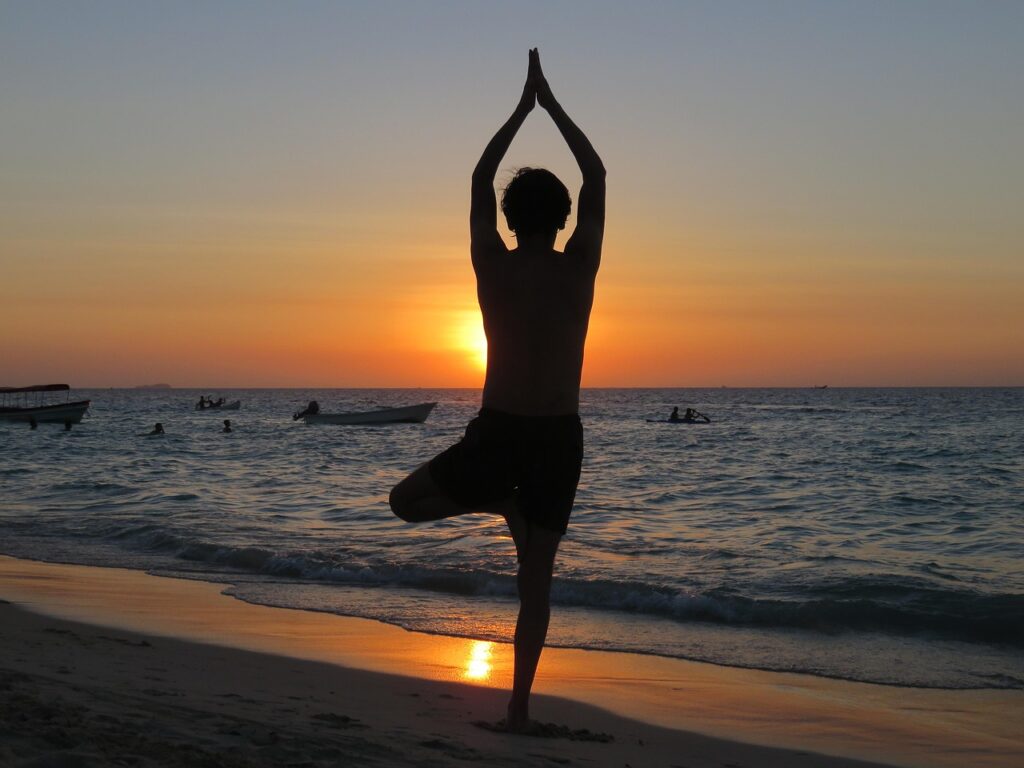
Diani has quietly evolved into one of East Africa’s better wellness destinations — something that takes most visitors by surprise. The combination of warm ocean air, unhurried pace, and a growing number of serious hospitality operators has created genuine options for travellers who want to do more than lie on a beach (though that remains an entirely valid way to spend a week).
Yoga retreats are well-established along the beach road. Several resorts offer structured weekly programmes, and a handful of independent studios run drop-in morning classes on platforms overlooking the ocean. Yoga at sunrise, with the sound of waves below, is one of those experiences that sounds clichéd until you’re actually doing it.
Spa experiences have elevated considerably. Properties like Leopard Beach and Baobab feature full-service spas offering treatments that blend African botanical ingredients — baobab oil, marula, shea, local coastal herbs — with more classic massage and body treatment protocols. A half-day spa session is a particularly sensible way to spend the hottest midday hours.
Skydiving might seem incongruous on a beach holiday list, but Diani is one of the few places in Kenya where tandem skydiving is available — jumping from 12,000 feet with the Indian Ocean laid out beneath you in every shade of blue. It is, by all accounts, exceptional. Diani Drop Zone operates near the airstrip with internationally certified instructors.
Horseback riding along the shoreline at low tide is magical — a slow canter down the water’s edge in the early morning or late afternoon, with the kind of light that makes every frame look like a painting.
Night diving is offered by several operators for certified divers. The reef at night is an entirely different world — bioluminescent plankton, sleeping sea turtles resting on the coral, Spanish dancer nudibranchs, and creatures that spend their days hidden in crevices emerging into the open. If you have a diving certification and haven’t done a night dive before, Diani is an excellent place to start.
Diani With Kids: A Family Destination
Diani is genuinely excellent for families with children, and this is somewhat undersold in the usual travel conversation. The shallow, reef-protected lagoon means that young children can swim safely. The beach is wide enough for games and sports. The snorkelling is accessible enough for older children to fall in love with fish for the first time.
The Colobus Conservation Centre is a natural hit with children — monkeys at arm’s length tend to generate more enthusiasm than almost any other wildlife encounter. A morning at the centre combined with an afternoon at the beach is a reliably happy day for family groups.
Several resorts offer kids’ clubs and dedicated family programming, making Diani a practical choice as well as an appealing one. The food scene also covers the bases well — while Swahili cuisine is well worth introducing to adventurous young eaters, international menus are widely available throughout the beach road.
Getting Married in Diani
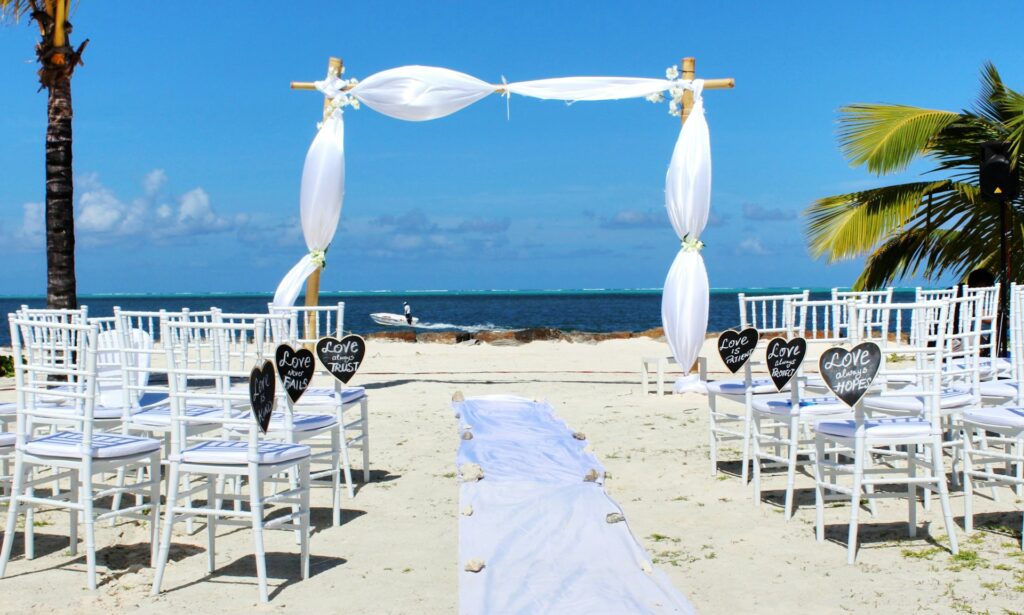
It is worth noting — because the setting absolutely warrants it — that Diani is one of East Africa’s premier wedding destinations. Beach weddings at sunset with the Indian Ocean as a backdrop, followed by dinners in candlelit caves or on torch-lit terraces, are the stuff that couples travel halfway around the world for. Several resorts specialise in destination weddings and can manage the full legal and logistical process. If you’ve been vaguely wondering about a Kenyan beach wedding, stop wondering.
Island Escapes: Day Trips and Overnights
Wasini Island is the most popular day trip from Diani — a small, traditional Swahili island to the south with no tarmac roads and an atmosphere that feels like it belongs to a different era. The combination trip to Kisite-Mpunguti Marine National Park (dolphin watching, snorkelling) and Wasini (crab lunch, village walk) is one of Diani’s classic experiences.
Funzi Island, further south still, is less visited and correspondingly more peaceful. Kayaking through the mangrove channels around Funzi on a guided trip is one of the most serene things you can do in coastal Kenya.
Chale Island sits 12 kilometres south of Diani and can be reached only by boat. It’s home to a small eco-lodge, mangrove kayaking, and beaches so completely deserted they feel almost surreal. If your idea of a perfect day involves seeing nobody else for several hours, this is your answer.
When to Visit Diani
The beach is accessible year-round, but the seasons matter.
January–March is Diani’s peak. The Kaskazi winds provide warm, gentle conditions, whale sharks are present offshore, dolphins are active, diving visibility is at its best, and the weather is dry and sunny. This is the season for honeymooners, divers, and anyone who wants the best version of everything.
June–September brings the Kusi winds — paradise for kitesurfers, slightly rougher for casual swimmers, and still beautiful for beach holidays. The wind also keeps temperatures pleasantly cool.
October–November is a transitional period. The long rains have passed, tourist numbers drop, and prices tend to be more flexible. Perfectly enjoyable, particularly if you’re timing a Kenya safari-and-coast combination.
April–May is the height of the long rains — not impossible, but not ideal for a pure beach holiday. Some resorts close for maintenance. Those that remain open often offer exceptional value.
Diani will ruin other beaches for you. That’s the truth and we’re not sorry about it. Some places earn their reputation so completely that experiencing them recalibrates your entire frame of reference for what a beach can be.
This is one of those places.
Planning a trip to Diani — or a combined Kenya safari and coastal escape? Check out some of our most recommended tours and travel companies and let them start building your perfect Indian Ocean itinerary.
Related Articles
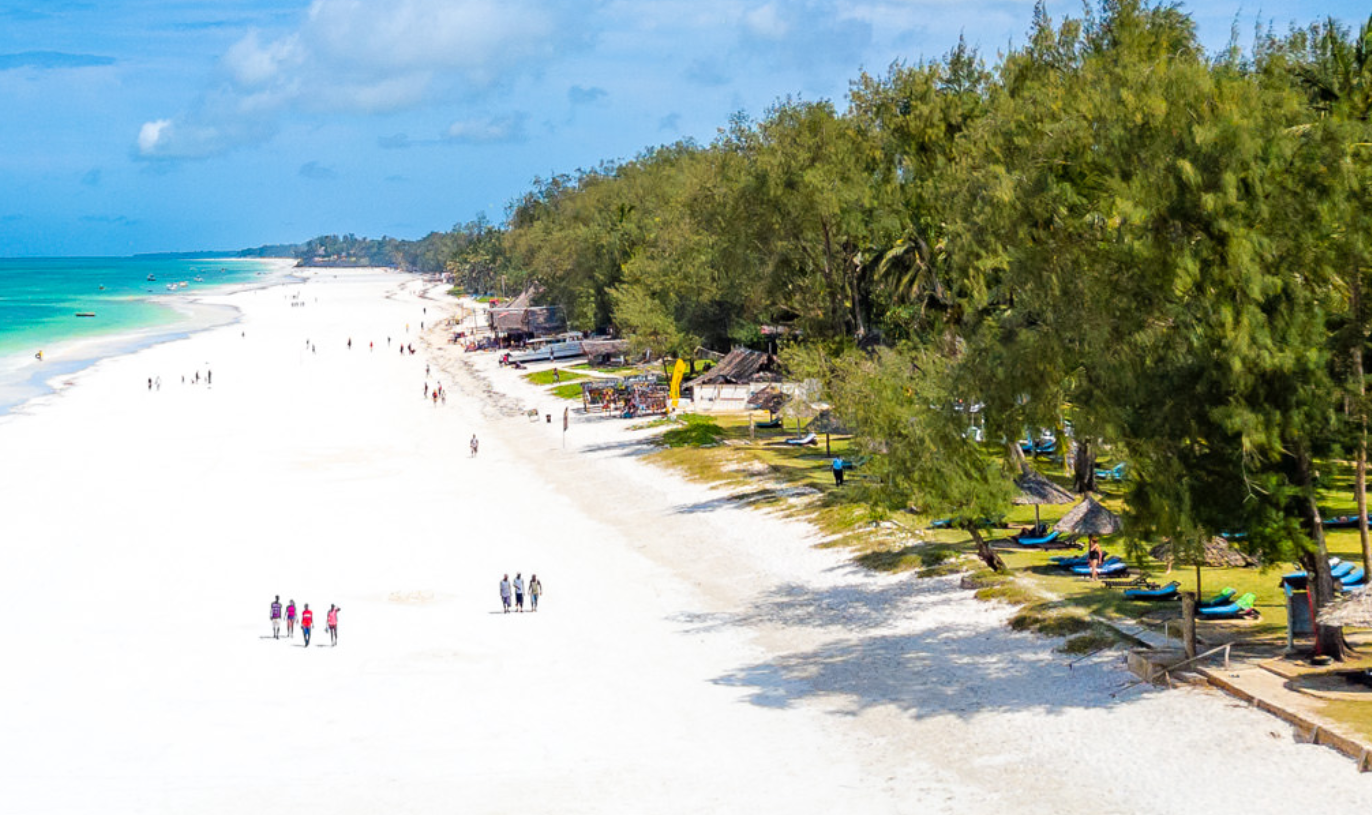
Beach Resorts Kenya Doesn’t Advertise Enough Until Now
Kenya is famous for its safaris, the Maasai Mara, and Big Five wildlife encounters. But there’s anot...
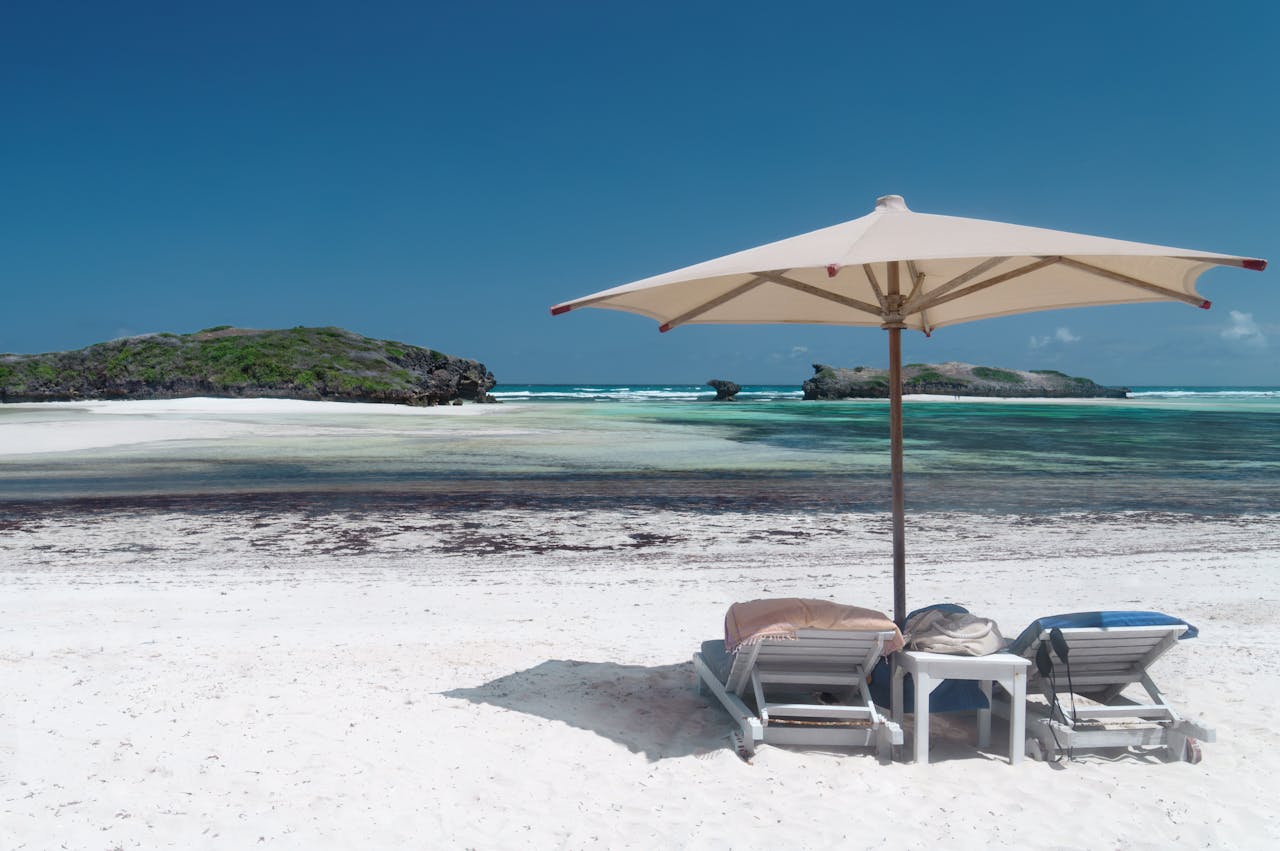
Watamu Is Kenya’s Best Kept Coastal Secret and We Are Done Keeping It
There are coastal towns in Kenya that everyone knows about. Diani, with its global reputation and lo...
One Day Out of Nairobi Changes Everything: Here’s Where to Go
Life in Nairobi moves fast. Between traffic, deadlines, and the constant buzz of city life, it’s eas...
Lamu Has No Cars, No Rush and No Equal
If you’ve ever dreamed of escaping the noise, traffic, and constant rush of modern life, there’s a p...